The World's Oldest Grudge
A drought hits. A plague spreads. The economy craters. And before anyone even understands what happened, a finger is already pointing at somebody — the same somebody it pointed at last time.
Part 1: The World's Oldest Grudge — Concept
+5 XP on completion

A drought hits. A plague spreads. The economy craters. And before anyone even understands what happened, a finger is already pointing at somebody — the same somebody it pointed at last time.
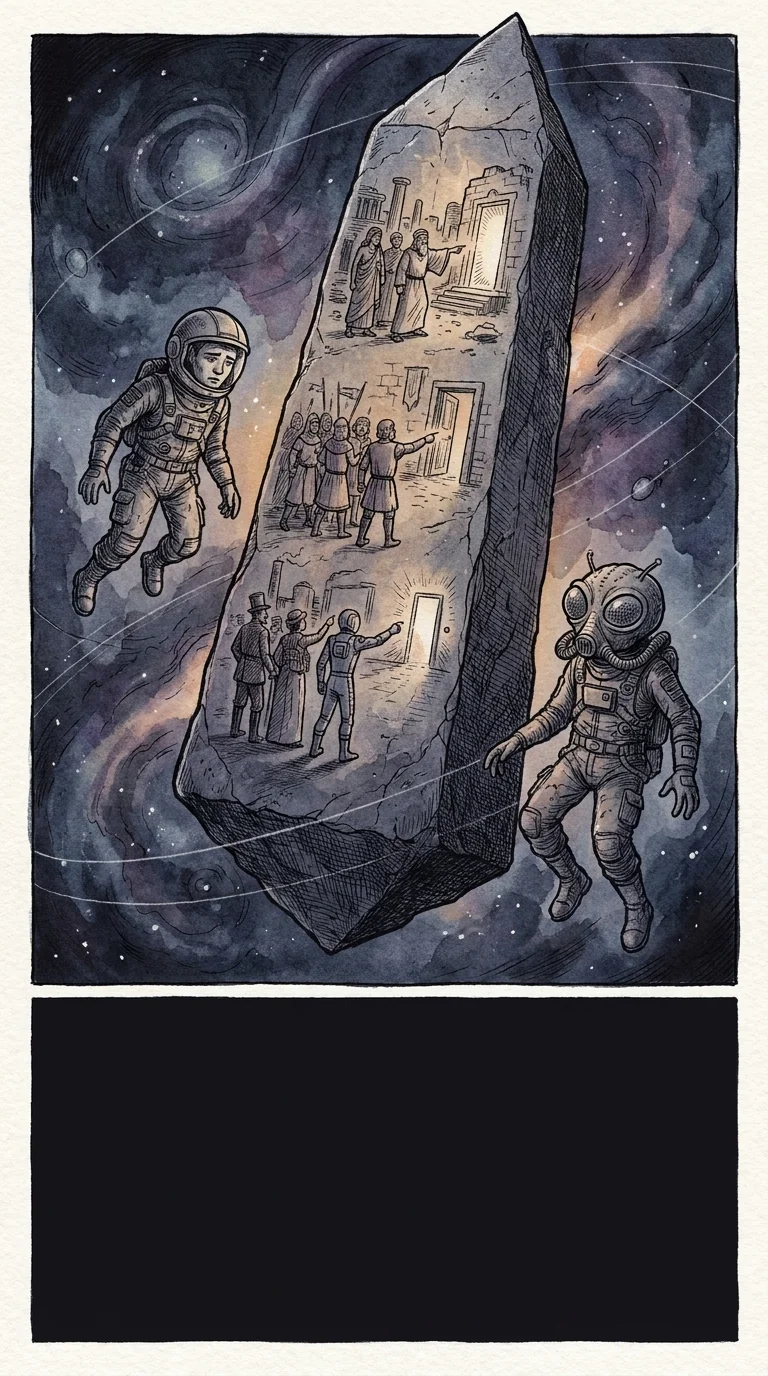
Rome did it. Medieval Europe did it. The Ottoman Empire, the Russian Empire, colonial regimes on every continent — they all did it. Different centuries, different costumes, same ugly reflex: find the outsider group, pin the crisis on them.
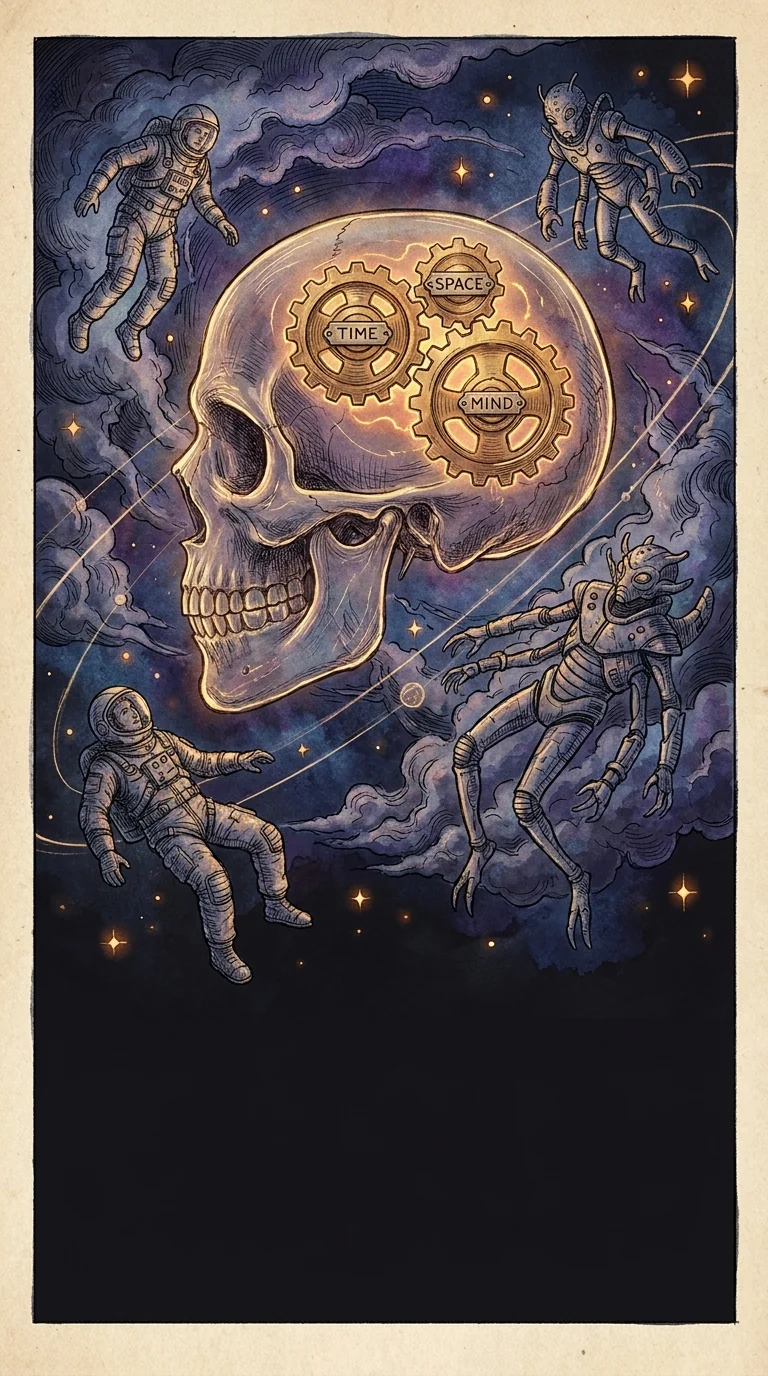
Here's what makes scapegoating so durable: it answers three needs at once. It explains suffering. It unifies the in-group. And it gives leaders a target that isn't themselves. That's a potent package — and it doesn't require a single fact to operate.

The mechanism runs on repetition, not evidence. A scapegoat narrative gets told so many times it stops sounding like a claim and starts sounding like weather — just the way things are. Each retelling wears a groove in the culture until the accusation feels like common sense. That's not history. That's engineering.

Marcus was reading about a financial crisis from a century ago. Different country, different era. But the blamed group was the same one blamed in a crisis three centuries before that, and two centuries before that. The pattern stopped him cold. Not because it was surprising — because it was so unsurprising he'd almost missed it.

The grudge persists because the machine that produces it persists — not because the accusations were ever true. In Part 2, you'll practice spotting the scapegoat pattern in real rhetoric so you can name it before it names someone else. See you there.
Part 2: The World's Oldest Grudge — Practice
+10 XP on completion
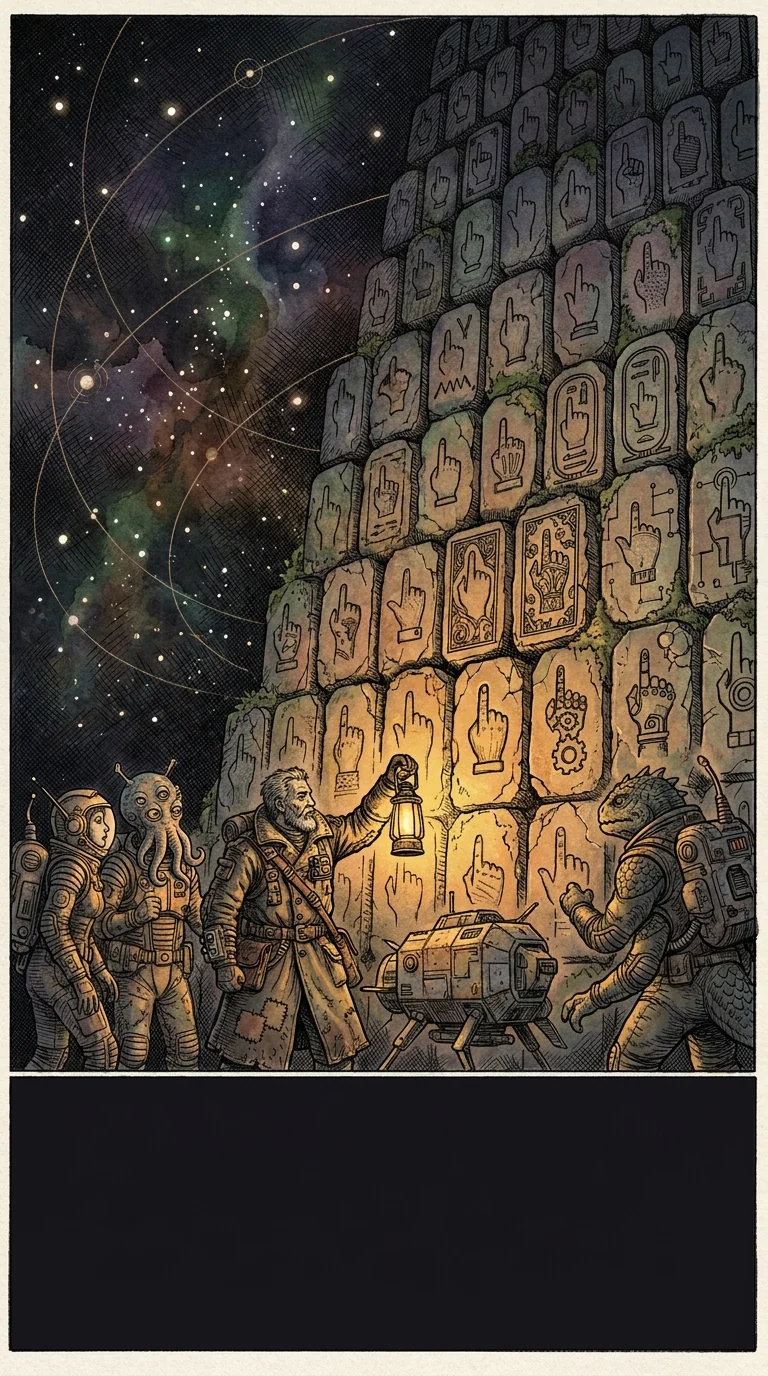
Every empire that crumbled found someone to blame on the way down — and the playbook barely changes between centuries. So how do you spot it when the same old script shows up wearing new clothes?
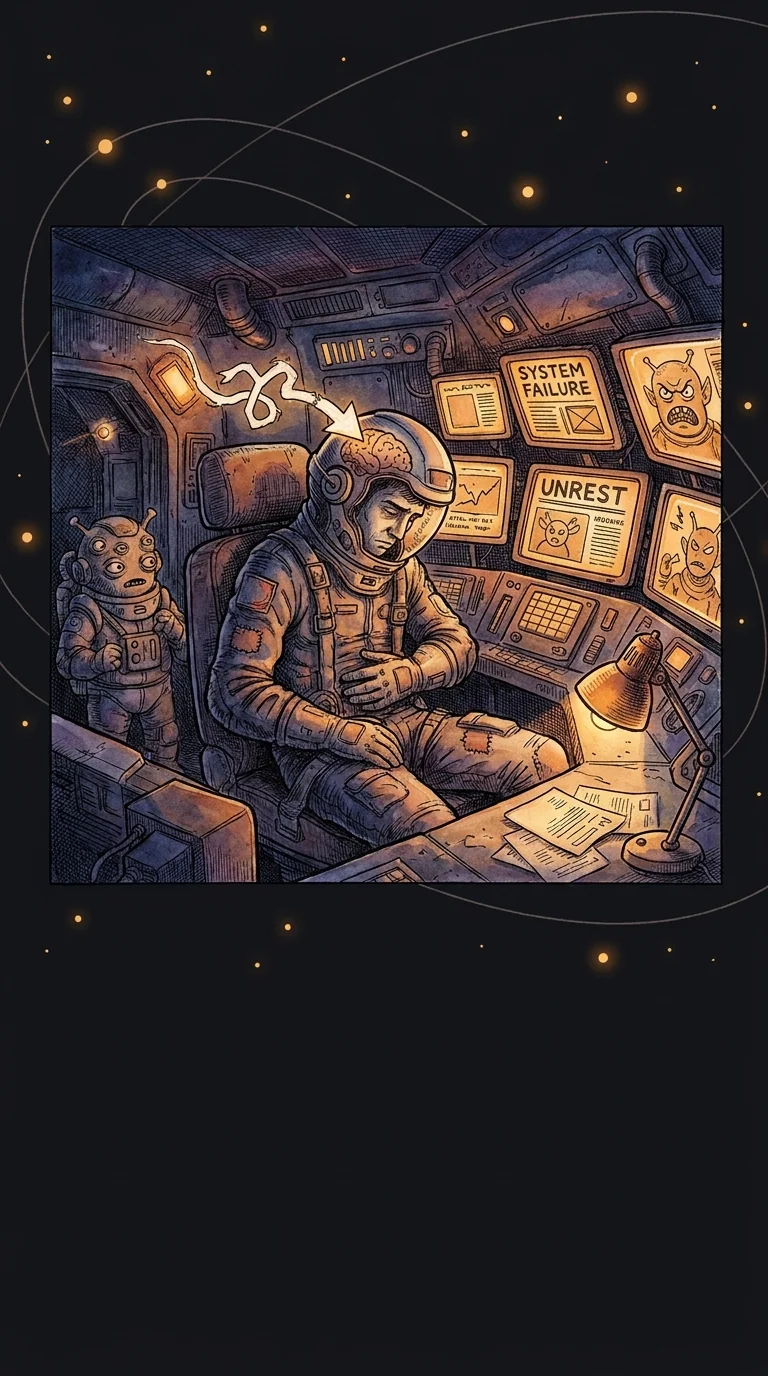
The default move is to hear a scapegoat claim and evaluate whether it feels true. Your gut is not the tool for this job — your gut was built to agree with the loudest voice in the room.
Instead, try The Substitution Test. Take any claim that blames a group for a big problem, swap in a different group, and listen to how it sounds. If the logic works just as well with anyone plugged in, the logic was never about that group — it was about needing a target.

Here's how: when you encounter a blame-claim, write it down. Replace the named group with two other groups — one you sympathize with, one you don't. If the sentence still sounds plausible both times, you're looking at a scapegoat template, not an explanation.

Marcus tried it on a post that blamed a specific community for rising costs in his city. He swapped in two other groups and the sentence worked every time — identical structure, identical emotional punch. That was the tell. The argument wasn't about evidence. It was a blank, waiting for a name.

You now have a tool that fits in one sentence and works in under thirty seconds. The next time a blame-claim lands in your feed, you don't have to argue with it. You just have to test it. That's enough to change what you let in.