The Spectrum Starts Small
When a hate crime hits the news, the coverage starts at the explosion. Nobody films the fuse.
Part 1: The Spectrum Starts Small — Concept
+5 XP on completion
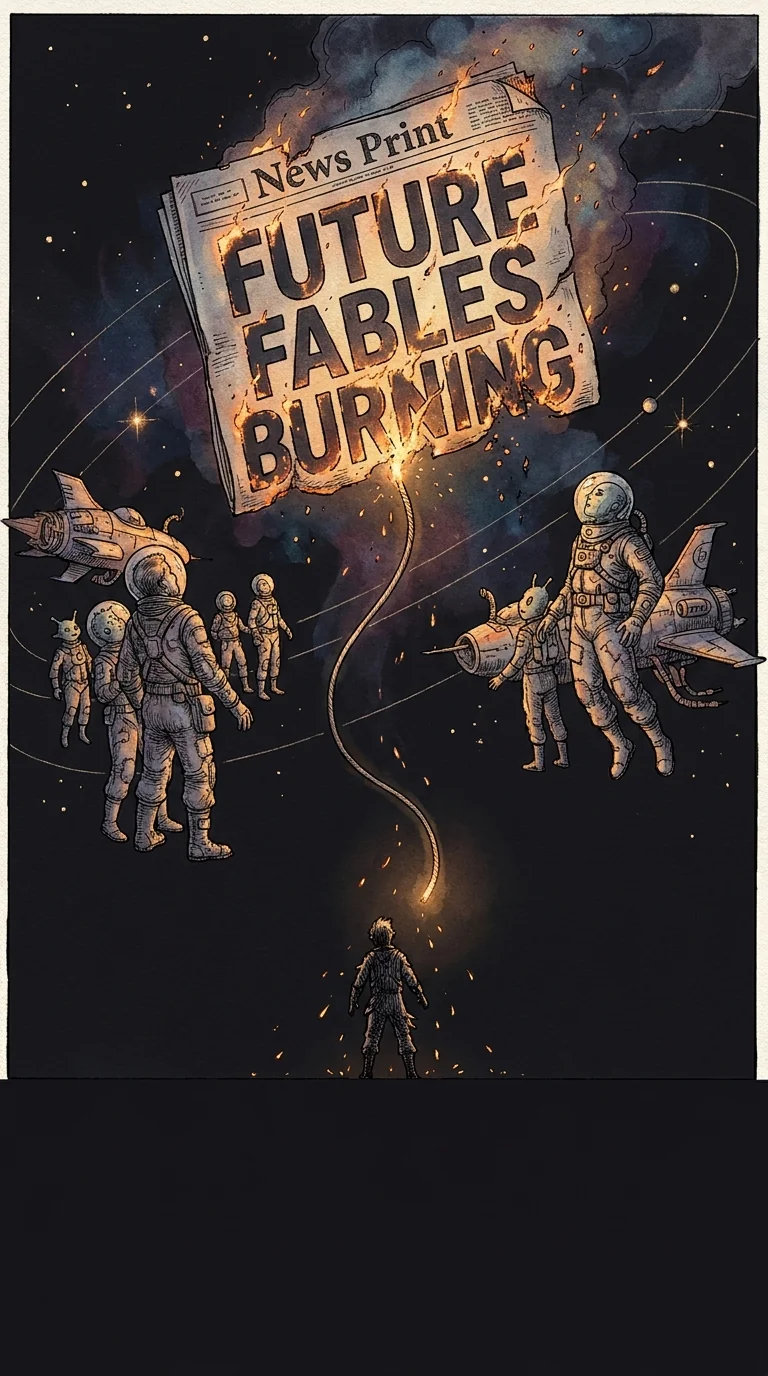
When a hate crime hits the news, the coverage starts at the explosion. Nobody films the fuse.

We treat acts of hate like freak weather — sudden, unpredictable, impossible to see coming. That framing is comfortable, and it's dead wrong.

Violence against a community doesn't start with violence. It starts with a joke nobody pushes back on, a slur that becomes wallpaper, a category of people slowly redefined as less. Each step is small enough to ignore — and that's exactly why it works.

Researchers call it the pyramid of hate. Biased jokes and stereotypes form the wide base. Discrimination sits above. Then dehumanizing language. Then organized violence. Each layer makes the next one feel like a smaller step than it actually is.
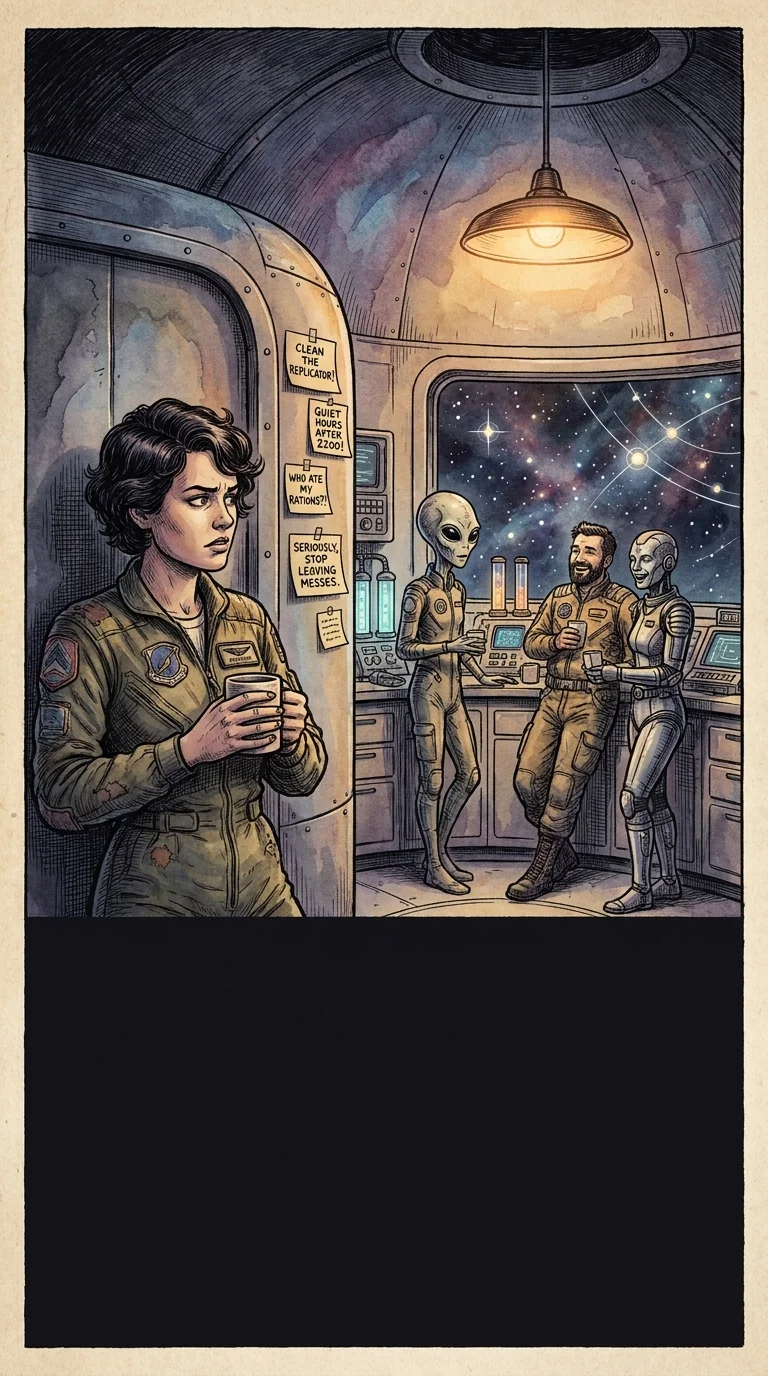
Lisa noticed her coworker's "harmless" jokes about a neighbor's accent had graduated — first to mocking their food, then to questioning whether "those people" belonged in the building at all. Nobody had said anything cruel, exactly. The cruelty had assembled itself in small, polite increments.

The spectrum means intervention doesn't have to wait for an emergency — in fact, it works best when it doesn't. In Part 2, you'll practice spotting where on the pyramid a comment or behavior sits, so you know what you're actually looking at. See you there.
Part 2: The Spectrum Starts Small — Practice
+10 XP on completion
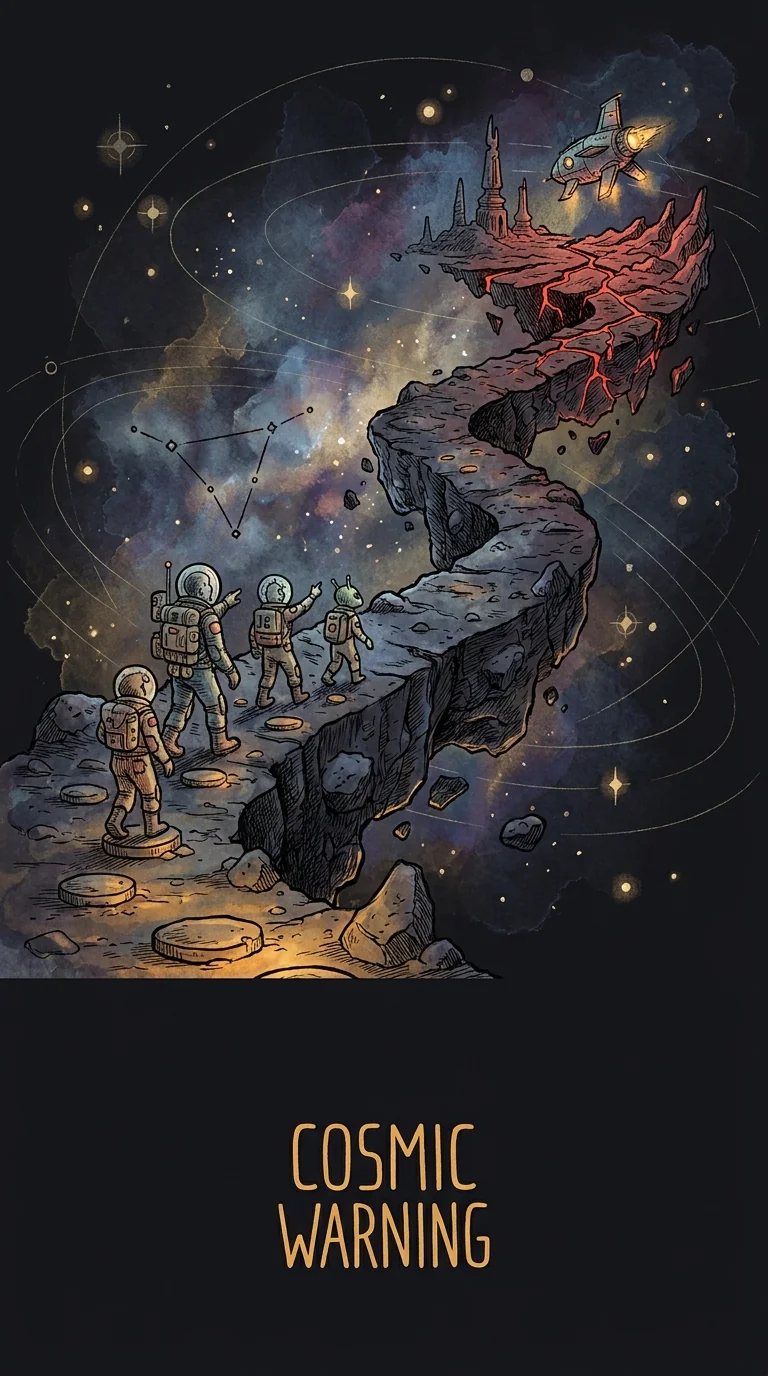
Hate crimes don't teleport in from nowhere — they walk a long, predictable path from jokes to policy to violence. The question is whether you can spot the path while it's still just a sidewalk.
Most spectrum-spotting fails because we only look for the loud stuff — the slur, the threat, the burning cross. Meanwhile the early rungs — the casual dehumanization, the "just asking questions" — slide past like background noise.
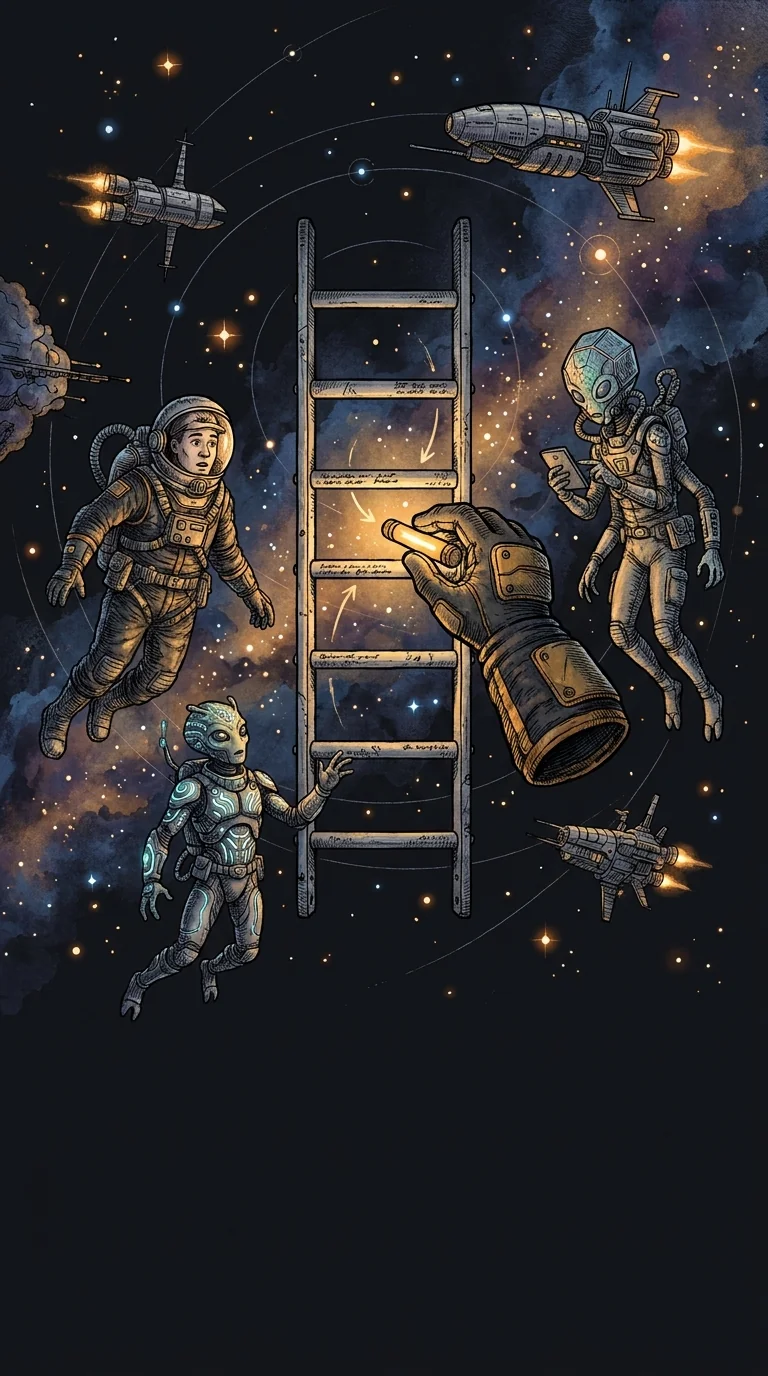
The technique is called the Rung Check. When you hear something about a group of people — a joke, a headline, a policy proposal — you place it on the spectrum and ask: what's one rung above this, and what's one rung below?
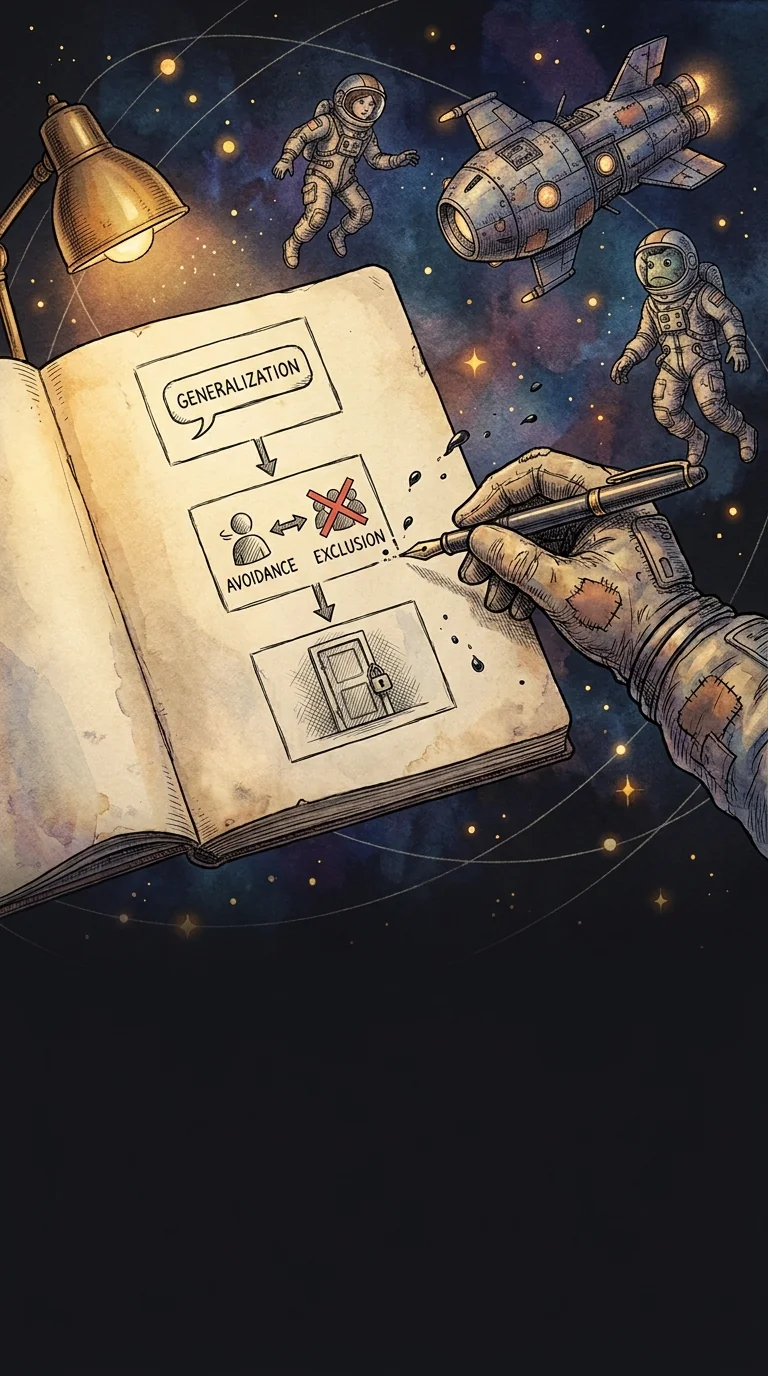
Here's how it works. You hear: "Those people are all the same." Rung below: avoidance, segregation. Rung above: just a harmless generalization, right? Except now you can see exactly where the sentence sits — and what it's a doorstep to.
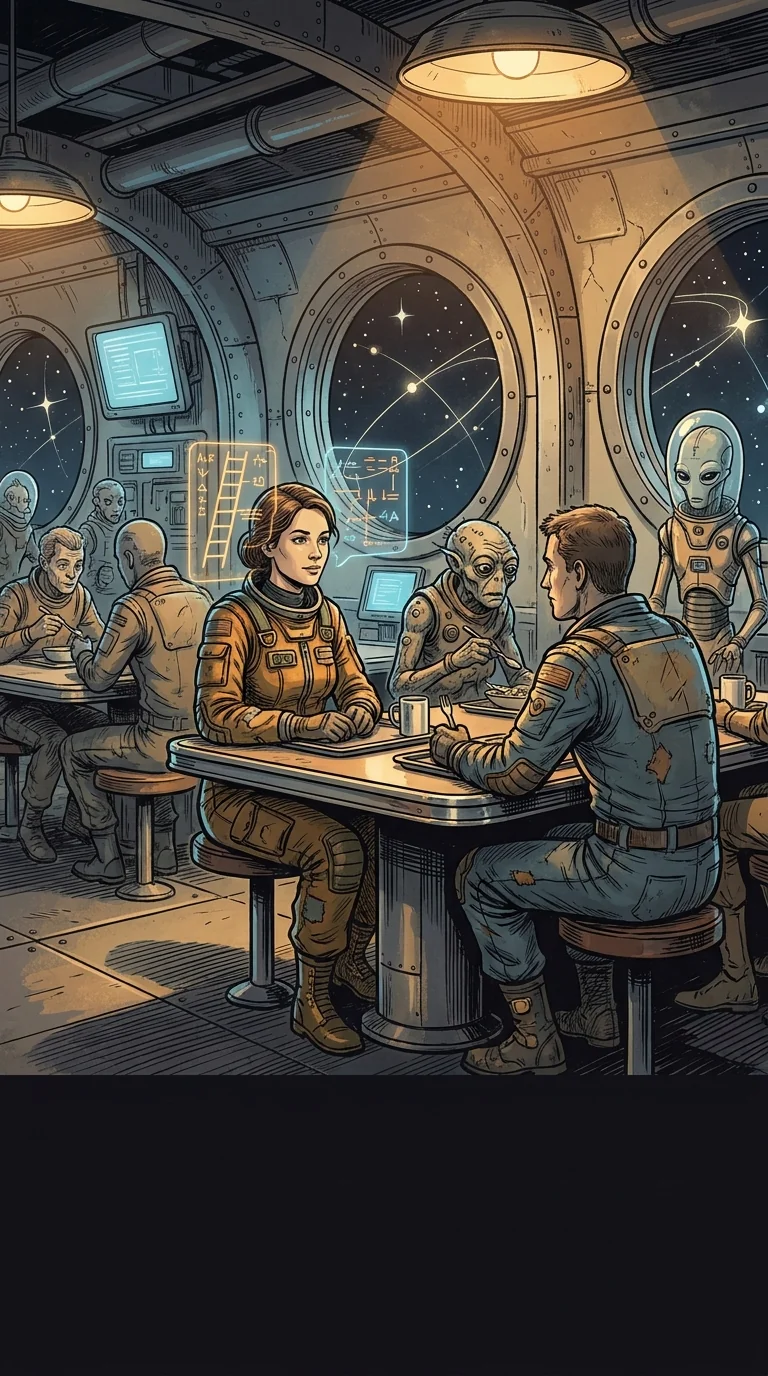
Sarah tried it at a work lunch. A colleague said newcomers to their city "don't really belong here." She asked herself: one rung below — denial of services; one rung above — just an opinion. The pattern clicked. She didn't make a speech. She just said, "Belong how? They live here." The table went quiet, then the conversation shifted.
You don't need to deliver a lecture. You just need to see the rung — and sometimes, gently, name it. That small act of noticing is where the spectrum loses its invisibility, and where your voice starts to matter.