The Silence of Decent People
Ask a hundred people if they'd speak up when someone's being harassed in public. Ninety will say yes. Now watch what actually happens on that train platform.
Part 1: The Silence of Decent People — Concept
+5 XP on completion

Ask a hundred people if they'd speak up when someone's being harassed in public. Ninety will say yes. Now watch what actually happens on that train platform.

We don't stay silent because we're cowards. We stay silent because our brains run a quick, terrible calculation: someone else will handle it. Every decent person on that platform is running the same math — which means nobody moves.

In 1968, researchers found that the more witnesses present, the less likely any single person was to help. They called it diffusion of responsibility. Every harasser on Earth has been running on that fuel ever since.
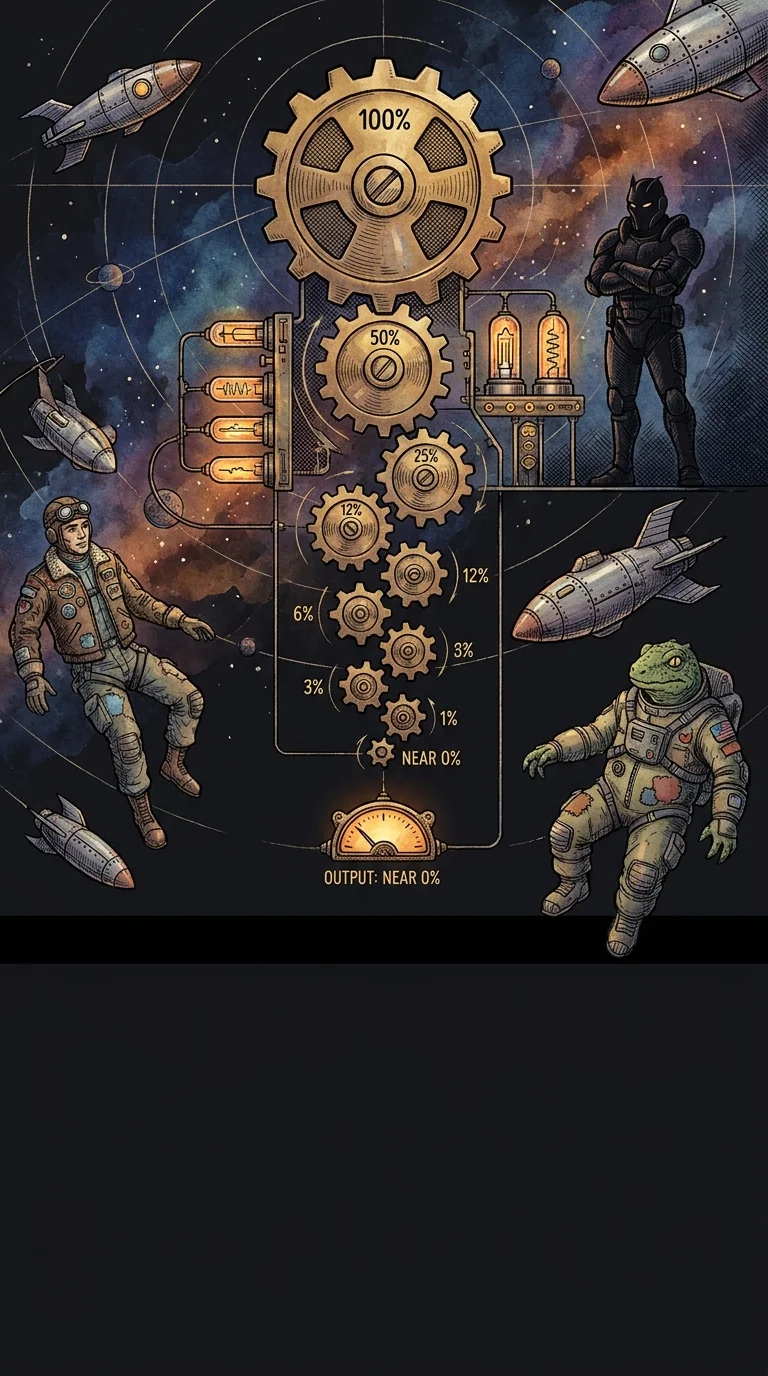
Here's how the machine works: responsibility feels like a finite resource, and your brain divides it by the number of people in the room. Twenty witnesses? You feel five percent responsible. The aggressor doesn't need allies — just a crowd.

Lisa watched a man berate a young woman on a shuttle for ten stops. She kept waiting for someone bigger, braver, closer to step in. When the woman finally stumbled off alone, Lisa realized she'd spent the whole ride rehearsing someone else's heroism.

The silence of decent people isn't a character flaw — it's a design flaw in how crowds think. And design flaws can be patched. In Part 2, you'll practice a simple method for breaking the bystander loop before your brain finishes its math. See you there.
Part 2: The Silence of Decent People — Practice
+10 XP on completion
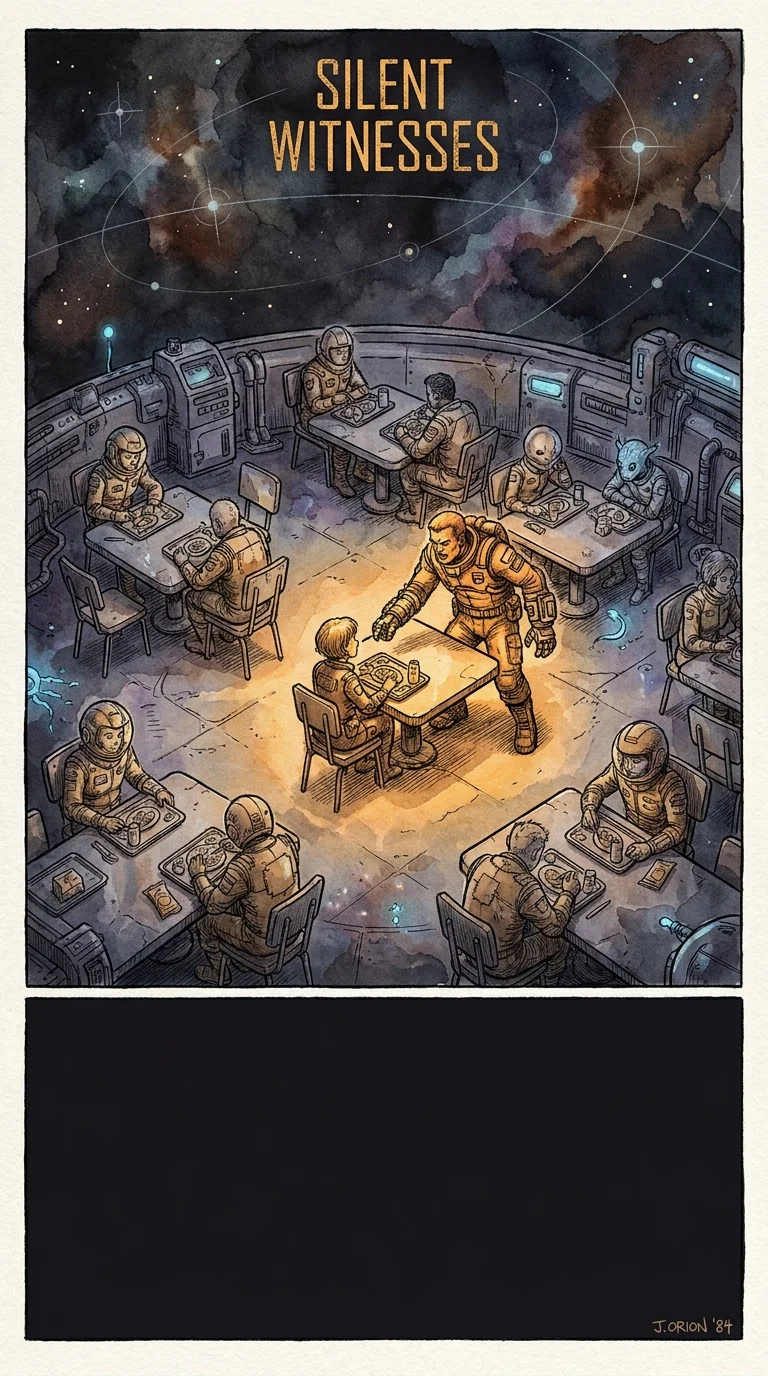
Every decent person in the room assumed someone else would speak up. The harasser was counting on exactly that arithmetic.

The problem isn't that you don't care. It's that your brain runs a quick poll of the room — sees other capable adults — and quietly clocks out. Caring without a plan is just a nicer word for watching.

The fix is absurdly simple: decide before the moment arrives that you are the one who acts. This is the Pre-Committed Witness technique — you assign yourself the job in advance so your brain can't outsource it in real time.

Three steps. First, each morning pick one setting you'll be in today — the office, the bus, the group chat. Second, say to yourself: 'If something goes wrong here, I'm the one who responds.' Third, pick your smallest move — ask the target 'Are you okay?', change the subject loudly, or simply stand next to them. That's it. You don't need a speech. You need a verb.

Sarah rode the same shuttle every morning and watched a regular passenger get mocked for his accent — every single day. One Thursday she decided in advance: today she was on duty. When it started, she sat down next to the man and asked him where he was headed. The mockery stopped. Not because she was brave. Because she'd already decided.

Tomorrow morning, pick your room and claim the role — just once, just one setting. You don't have to be loud or fearless. You just have to be the one who already decided.