Never Again Is Now
You've spent twenty days learning how propaganda recruits, how grievance gets weaponized, how belonging gets counterfeited. Now ask yourself: where did those lessons come from?
Part 1: Never Again Is Now — Concept
+5 XP on completion

You've spent twenty days learning how propaganda recruits, how grievance gets weaponized, how belonging gets counterfeited. Now ask yourself: where did those lessons come from?
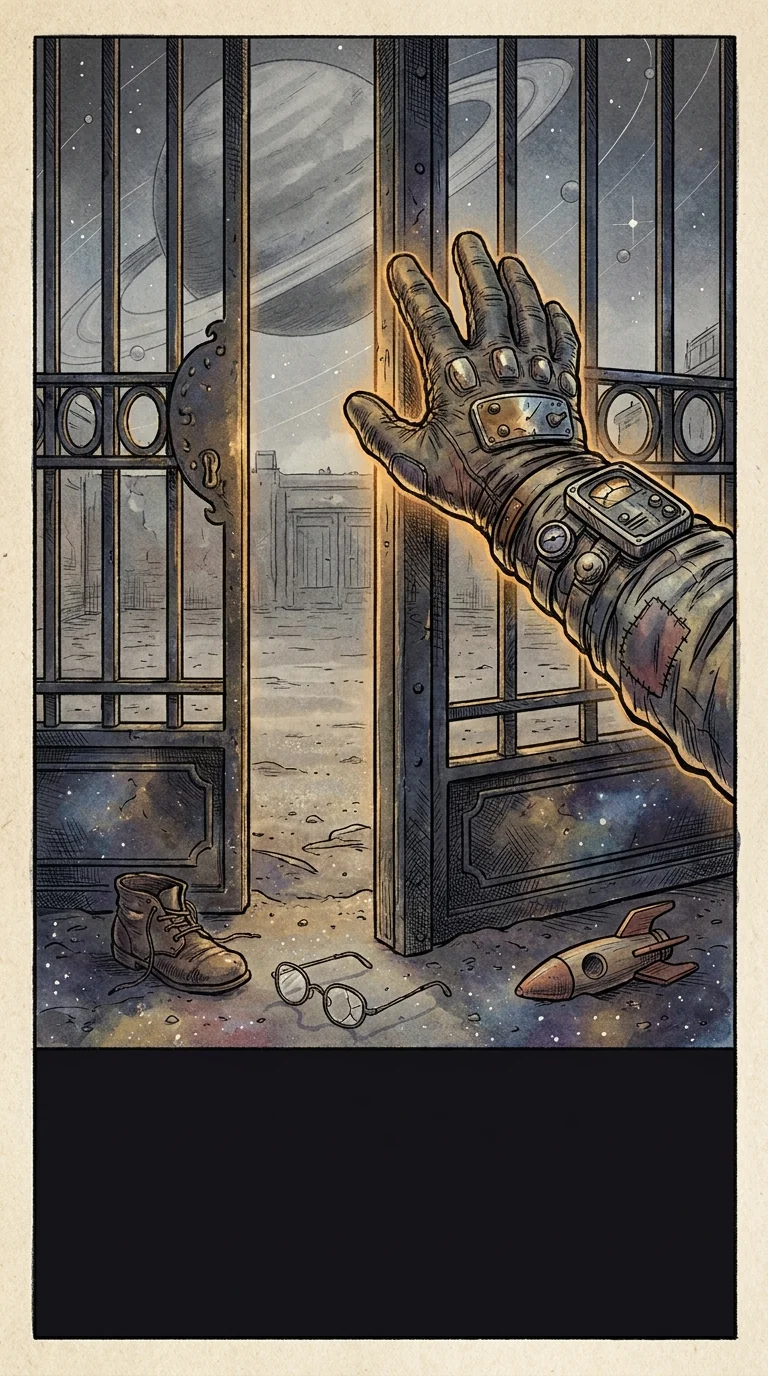
The phrase 'Never Again' wasn't coined by politicians or printed on campaign posters. It was spoken by survivors of the Holocaust and by the liberators who opened the gates of the camps — people who had witnessed what happens when every mechanism in this course runs to completion.
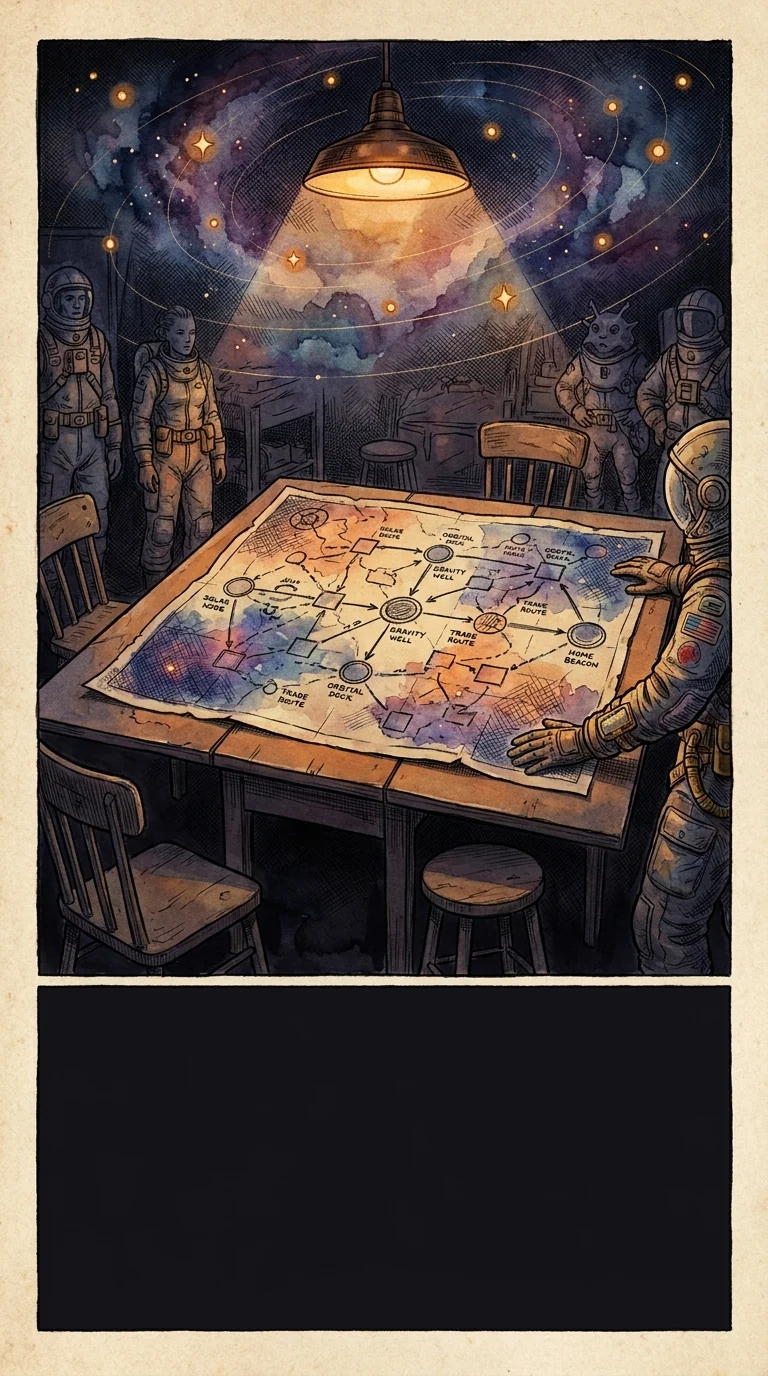
Every chapter you've studied — the identity hijack, the us-versus-them frame, the manufactured enemy, the loyalty trap — those aren't abstract concepts. They are the documented stages of how ordinary communities were turned into killing fields. The people who survived made us a map so we could see it earlier.
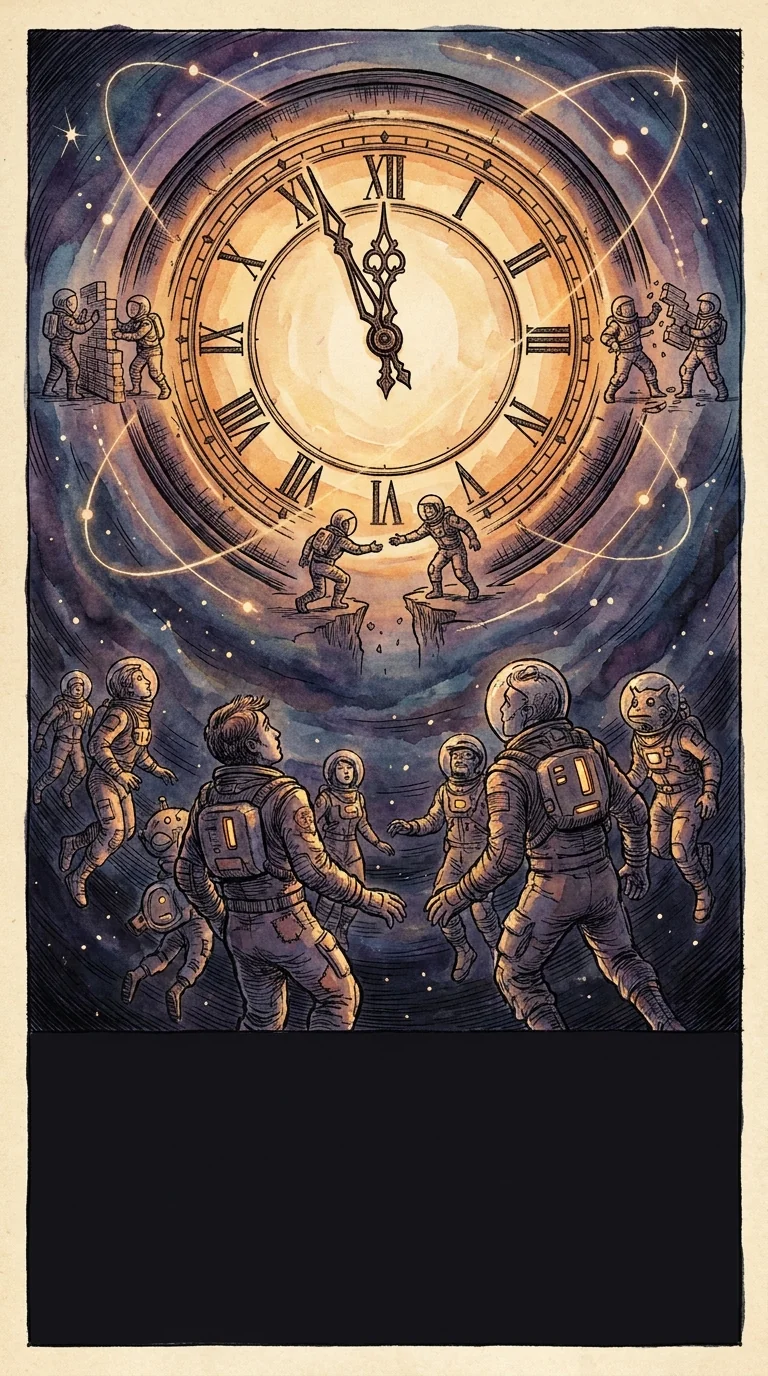
'Never Again' works only if it becomes a present-tense practice — pattern recognition applied now, intervention attempted now, courage exercised now. The moment it becomes a past-tense memorial and nothing more, the mechanisms start up again unchecked.

Marcus sat with his grandmother one evening and asked why she kept old news clippings in a box under her bed. She said she wasn't keeping history. She was keeping evidence — so that when someone told her grandson it couldn't happen here, he'd have the receipts.
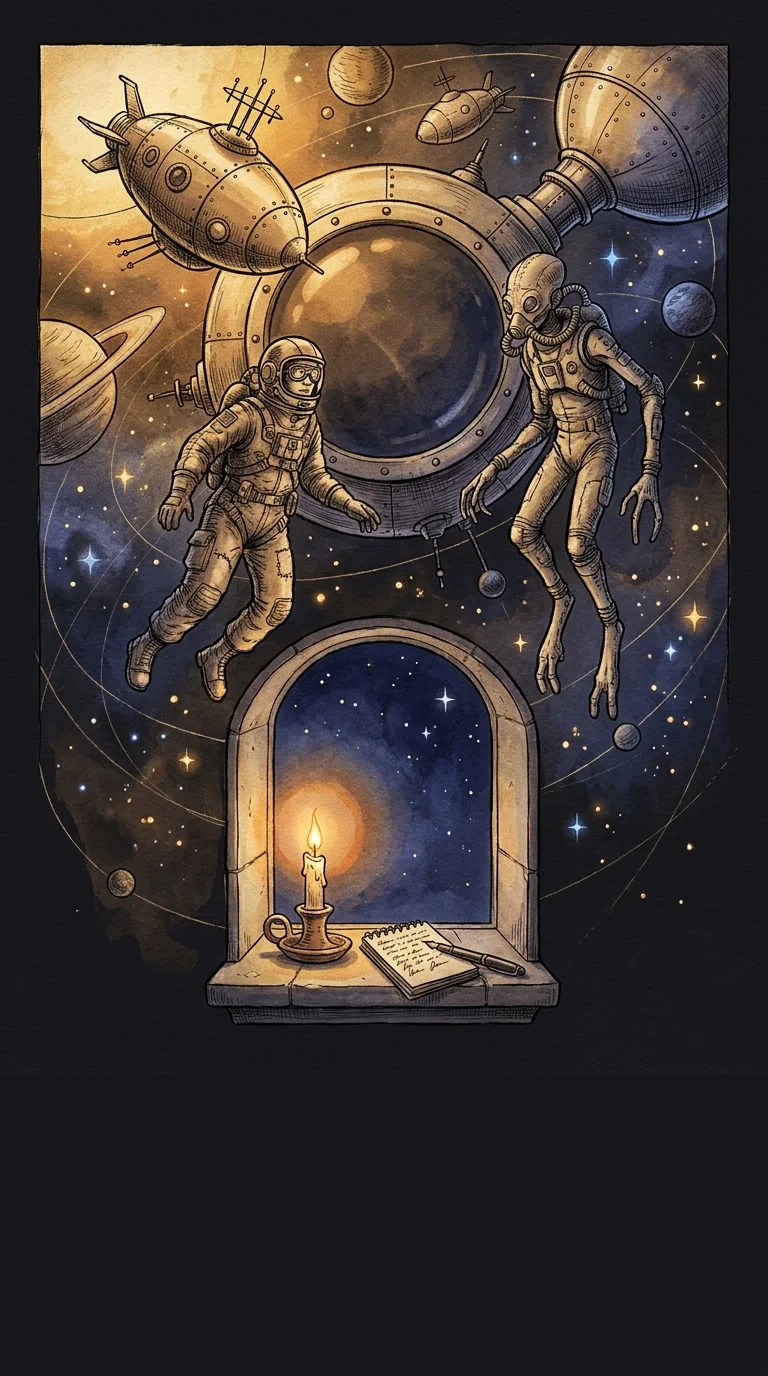
You've learned to see the machine. That knowledge is what survivors asked the future to carry. In Part 2, you'll write your own 'Never Again' commitment — a concrete, present-tense practice you'll take beyond this course. See you there.
Part 2: Never Again Is Now — Practice
+10 XP on completion
"Never Again" is not a monument. It is a practice — something you do with your hands, your voice, your calendar, starting now.
The mechanisms in this course — dehumanization, manufactured outrage, loyalty traps, the slow slide from rhetoric to policy to violence — they don't announce themselves with a date stamp. They just start running, and most of us notice too late.
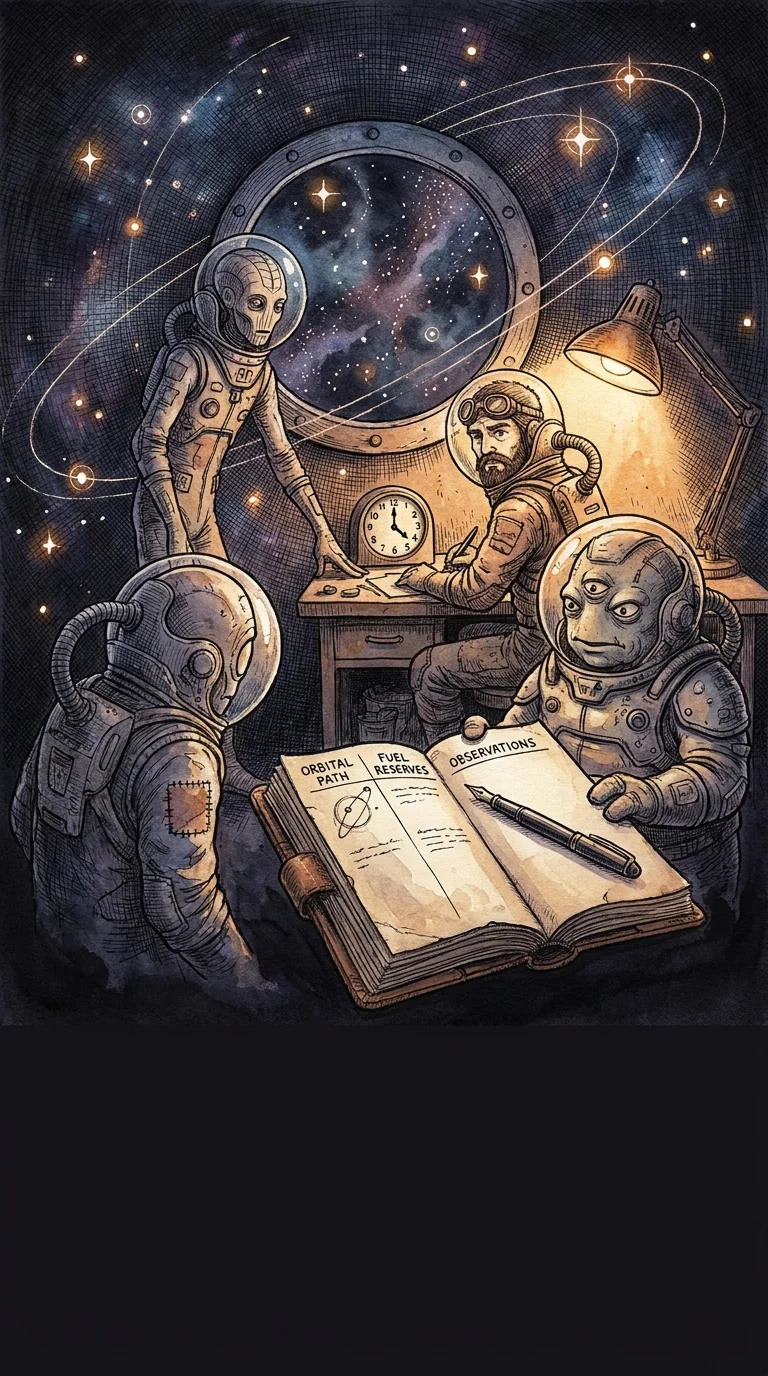
The technique is called the Standing Watch Protocol. It turns everything you've learned in twenty-one days into a single repeating practice — a weekly audit of what you see, what you say, and what you do about it.

Once a week, sit down and answer three questions. One: What dehumanizing language did I encounter this week — and did I let it pass? Two: Where did I feel the pull of us-versus-them, and what did I do with it? Three: What one concrete action will I take in the next seven days — a conversation, a donation, a letter, showing up?

Marcus started his Standing Watch on a Sunday morning. The first week, he wrote down a joke he'd laughed at that flattened an entire group of people into a single ugly word. He didn't flagellate himself. He just noticed it, named it, and the next time that joke came around, he didn't laugh. He said why. One person at the table went quiet and then nodded.
You have spent twenty-one days learning how the machinery works. You know its gears, its fuel, its recruitment pitch, its thousand small permissions. Now you are someone who sees it — and seeing it, you can interrupt it. Not perfectly. Not every time. But enough. Go stand your watch.