Movements That Attract
Nobody joins a hate movement because they wake up one morning craving ideology. They join because someone finally said, 'You belong here.'
Part 1: Movements That Attract — Concept
+5 XP on completion

Nobody joins a hate movement because they wake up one morning craving ideology. They join because someone finally said, 'You belong here.'
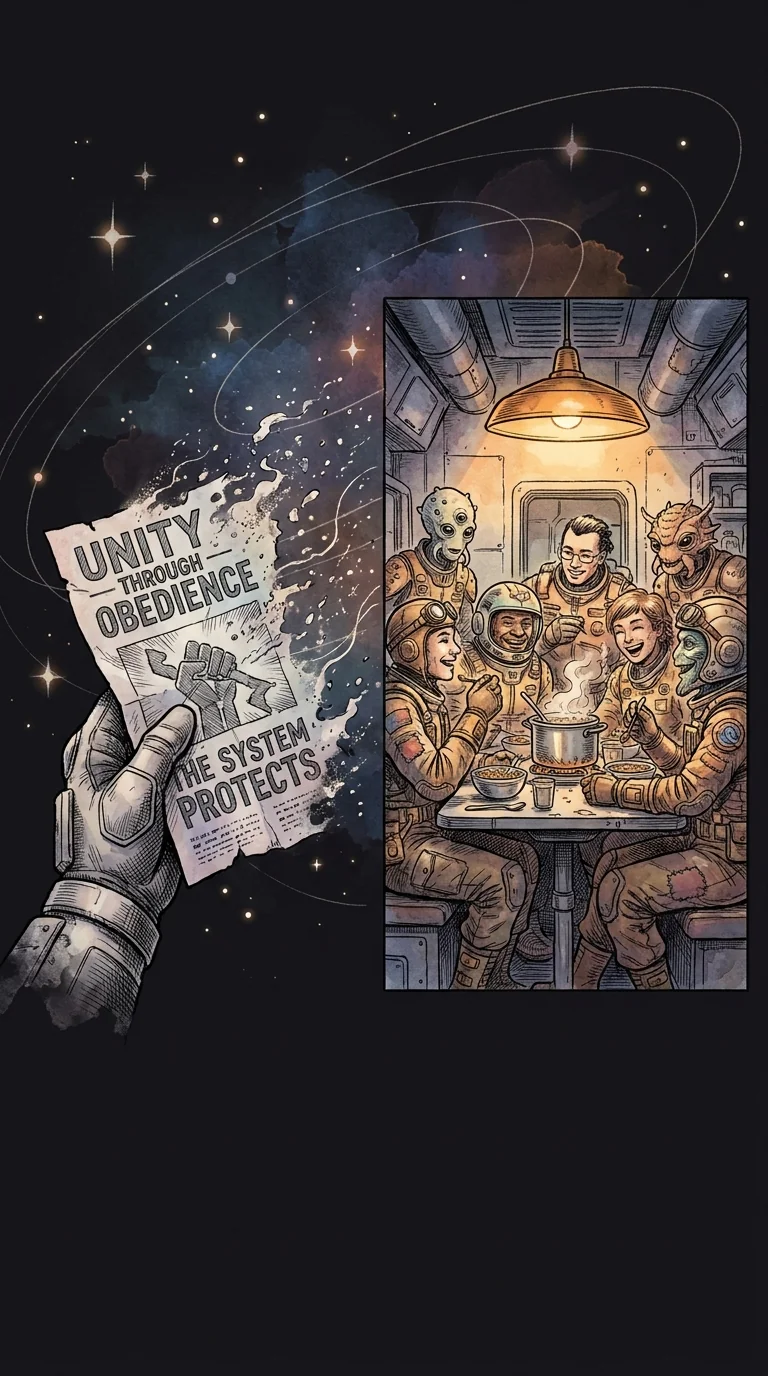
We keep debunking the pamphlet when the pamphlet was never the product. The product is the potluck dinner, the inside jokes, the crew that texts you back. Arguing facts against a feeling of home is like bringing a dictionary to a hug.
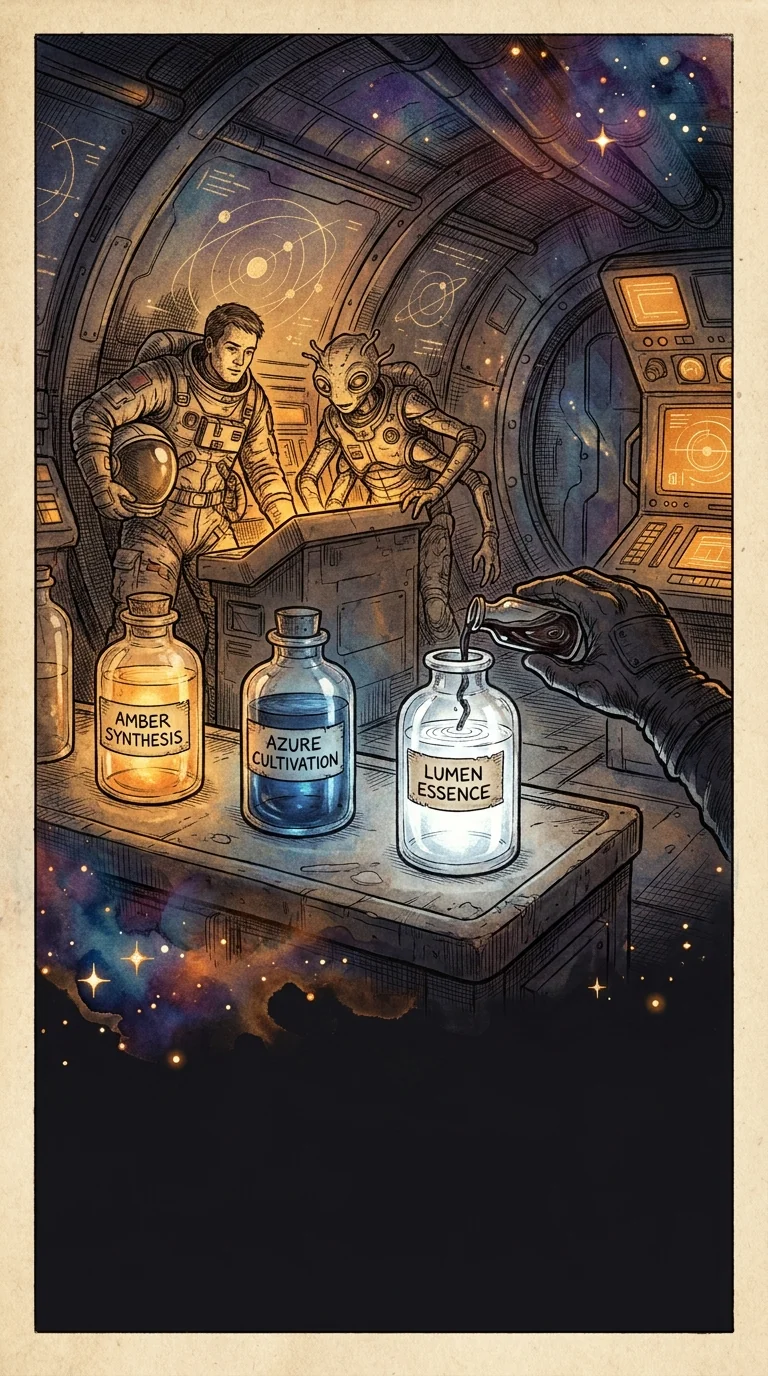
Recruitment runs on three offers: belonging, identity, and purpose. 'You're one of us. You matter. And we have a mission.' That sequence is not evil — every healthy community uses it. The poison is what gets poured into the container, not the container itself.

Movements that actually counter radicalization don't just say 'don't go there.' They build a competing offer — real community, real identity, real purpose — that doesn't require someone to hate anybody to feel whole. You don't beat a bad belonging with no belonging. You beat it with a better one.

Marcus spent two years in an online group that gave him a rank, a vocabulary, and people who remembered his name. When he left, the hardest part wasn't abandoning the ideology. It was the silence on his phone where forty daily messages used to be. The group that helped him stay out understood that — and filled the silence first.

Belonging is the battleground, and it always has been. The question isn't whether someone will be recruited — it's who gets there first with something worth joining. In Part 2, you'll practice mapping the belonging gaps around you and designing a counter-offer that's real. See you there.
Part 2: Movements That Attract — Practice
+10 XP on completion

Hate movements don't win on ideology — they win on belonging. So if you want to counter them, you'd better have something real to offer in return.

Most counter-efforts lead with facts and corrections. 'Here's why they're wrong' is a fine pamphlet — but it doesn't replace a Friday night where someone knows your name.

Today's technique is called the Belonging Audit. You map the actual human needs a harmful group is filling — community, purpose, identity, status — then you build or find alternatives that fill them honestly, without the poison.

Step one: pick a group that concerns you and list what it actually offers members — not the ideology, the experience. Step two: for each offer, name one real alternative in your own community. Step three: notice the gaps. Those gaps are where people fall through.
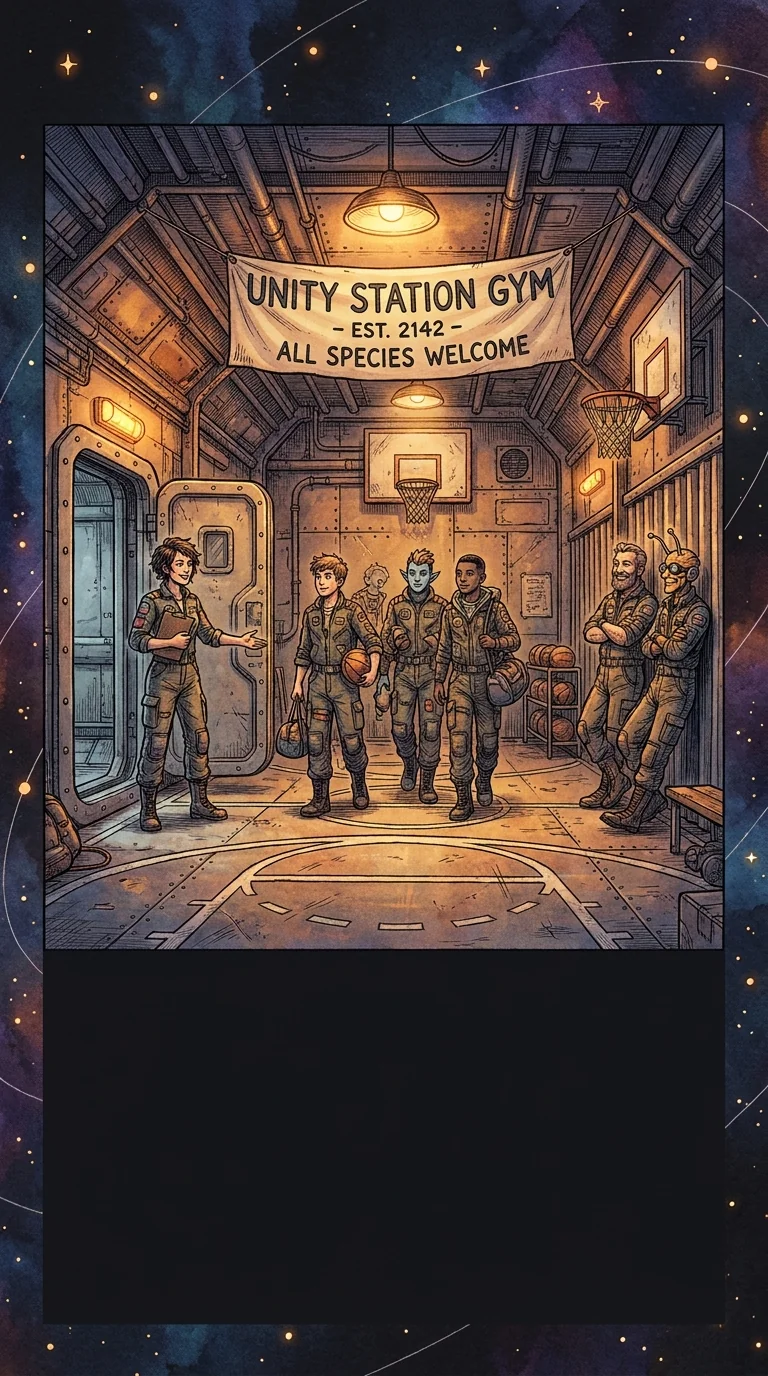
Sarah ran the audit on a group recruiting young men in her neighborhood. They offered brotherhood, respect, a clear enemy. She realized her community center had a mentorship program nobody promoted and a basketball league that had lost funding. She didn't write a pamphlet. She made calls, got the league restarted, and asked three mentors to show up on Thursdays. It wasn't a counter-campaign. It was a place to be.

You now know what the recruiting machine is actually selling. And you know the one thing it can never compete with — a place where belonging doesn't require someone else's dehumanization. Build that place. It matters more than you think.