How a Scapegoat Gets Chosen
A colony loses half its harvest to a blight nobody saw coming. Within a week, nobody's talking about the blight — they're talking about the newcomers who arrived last season.
Part 1: How a Scapegoat Gets Chosen — Concept
+5 XP on completion
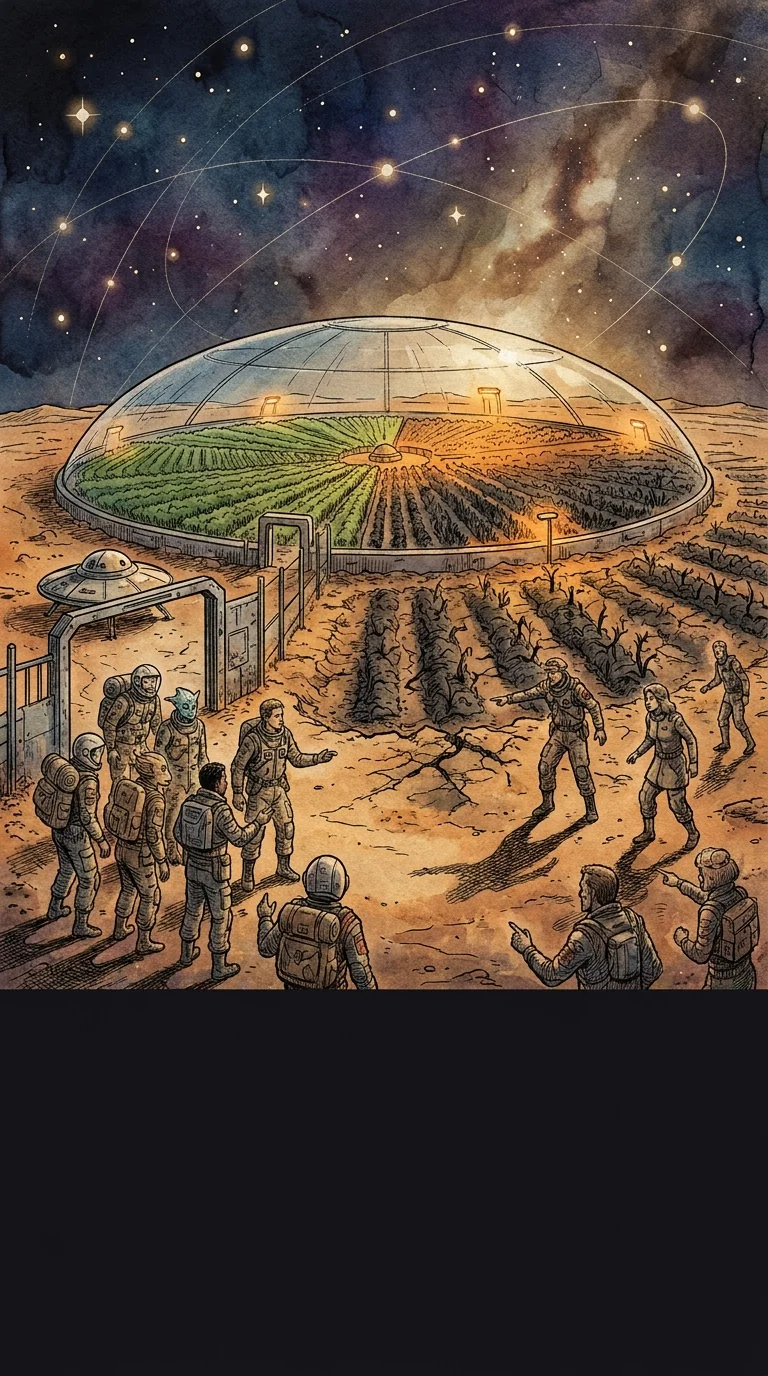
A colony loses half its harvest to a blight nobody saw coming. Within a week, nobody's talking about the blight — they're talking about the newcomers who arrived last season.
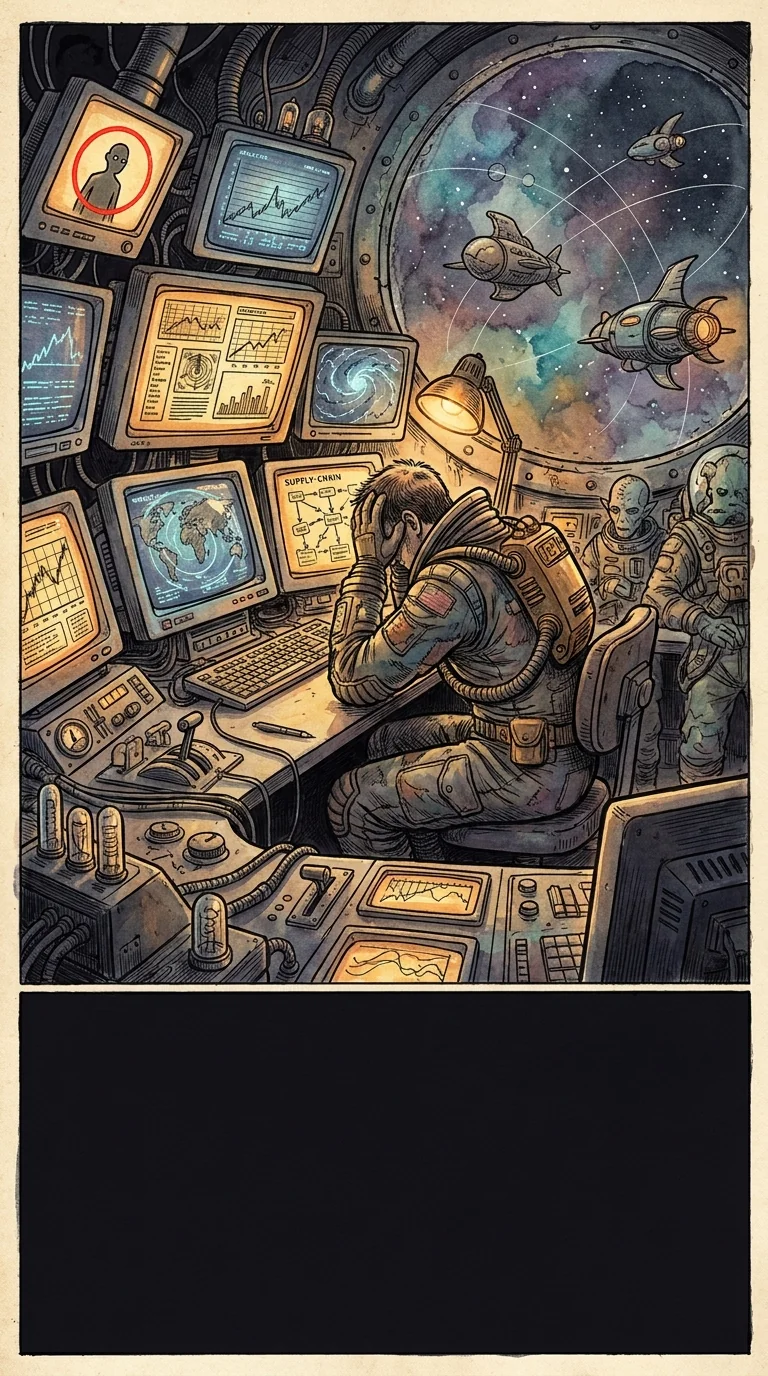
Your brain hates a mystery without a villain. When the cause of a disaster is complex — systemic, slow, distributed across a hundred small failures — it doesn't feel like an answer. It feels like nobody's answering.
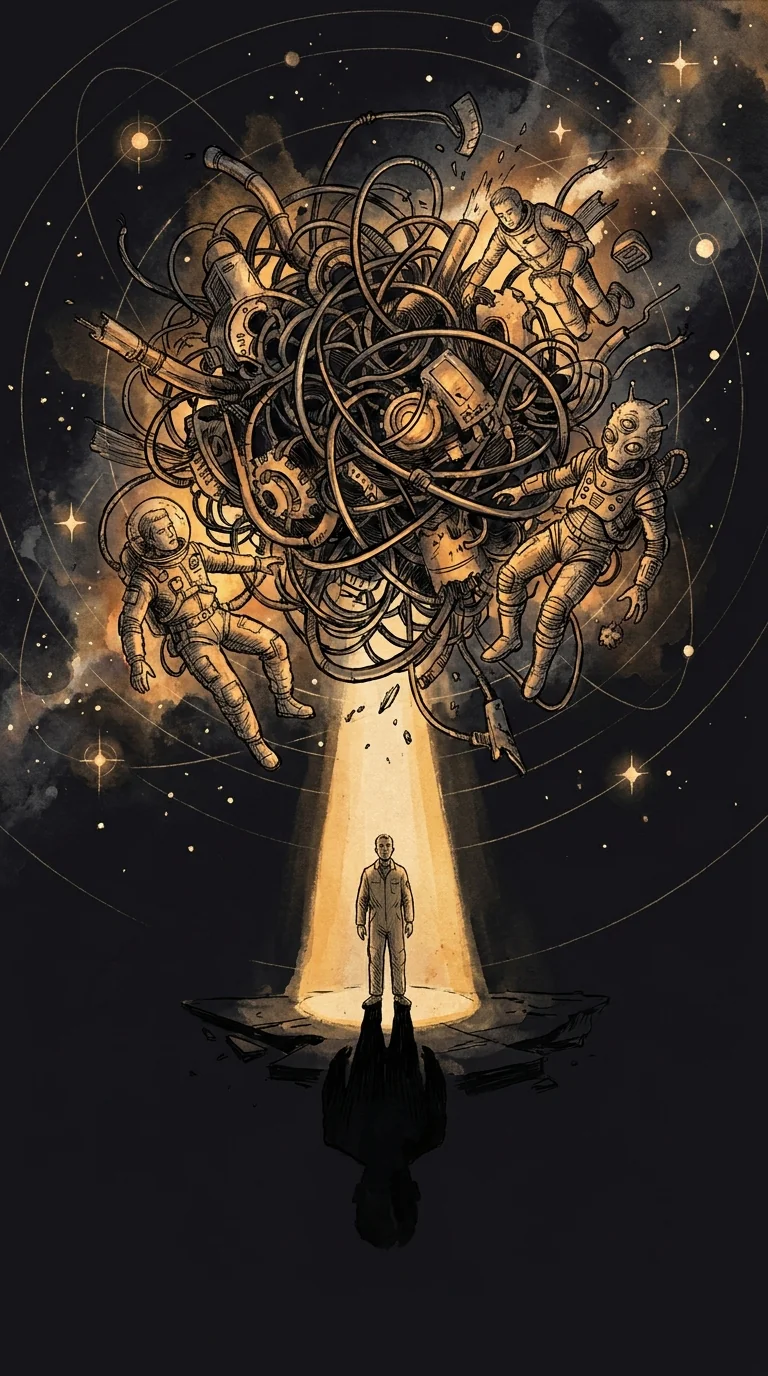
So the brain does what brains do under pressure: it downgrades complexity into a face. One group. One name. One target that's small enough to blame and visible enough to punish. That's not analysis — that's relief wearing the costume of an explanation.
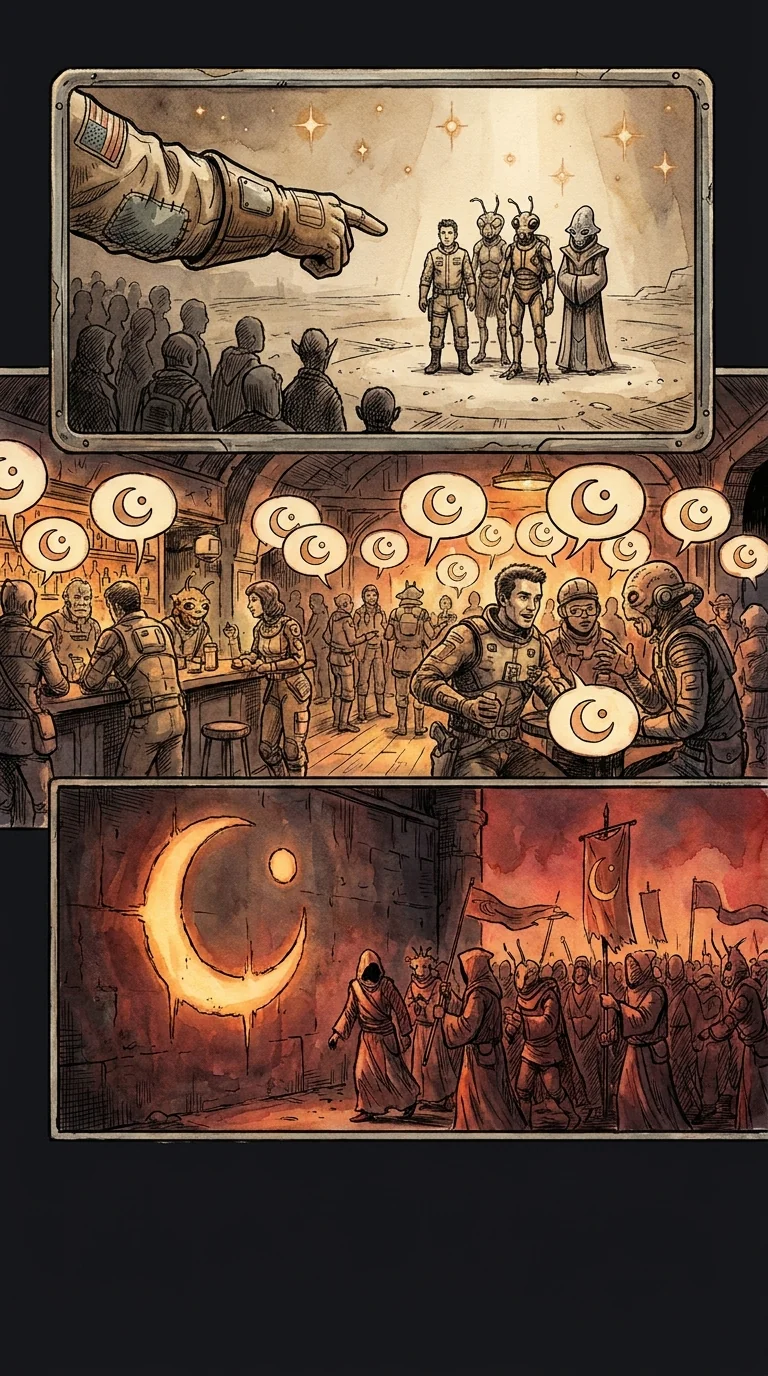
The recipe is ancient and reliable. Pick a group already on the margins — already a little mistrusted, a little misunderstood. Attach the disaster to them with a story simple enough to repeat at a bar. Repeat it until the story feels like memory. That is how a scapegoat gets chosen. Not by evidence. By convenience.
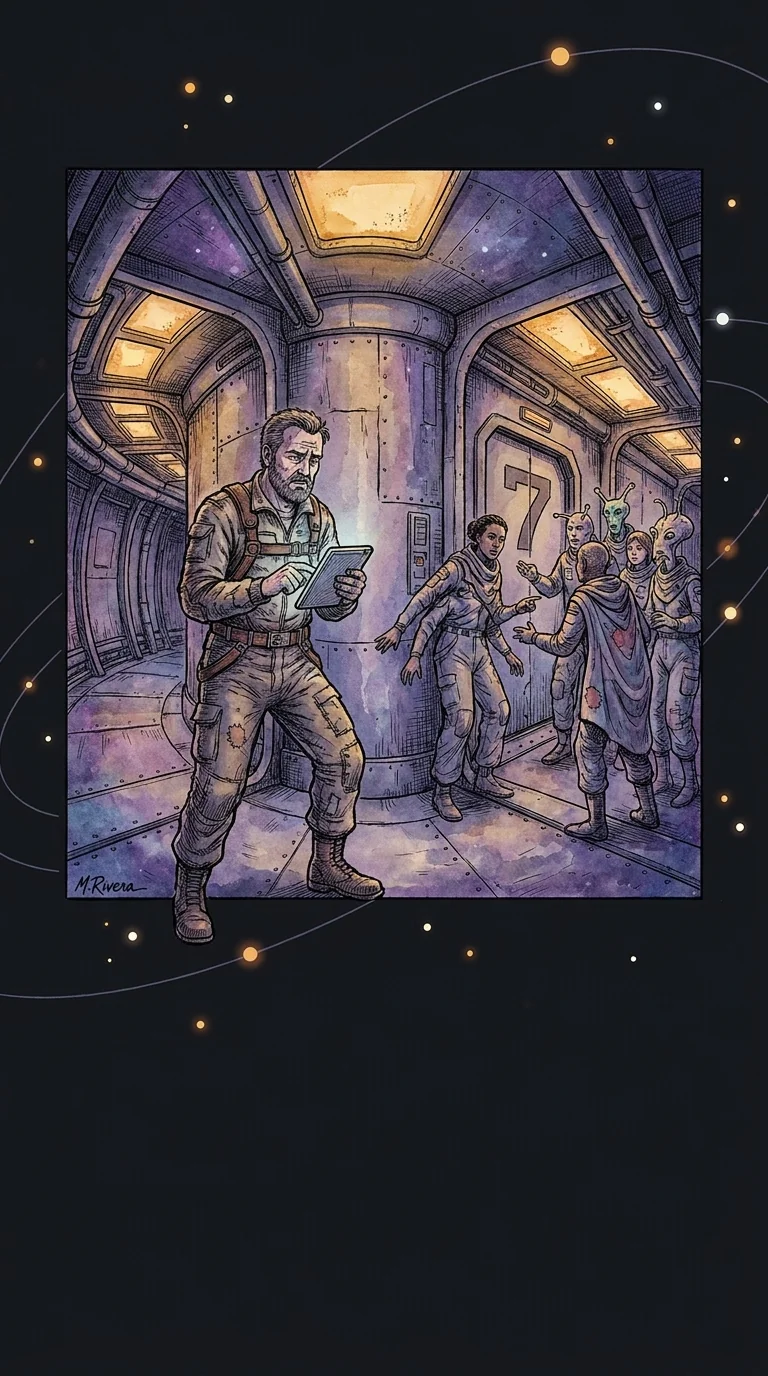
Marcus watched it happen on his station after the water recyclers failed. Engineers said it was a decades-old design flaw. But the corridor chatter skipped right past that. Within days, everyone had the same neat explanation: the Sector 7 families who'd arrived two years ago. Marcus caught himself nodding along before he'd even checked the maintenance logs.
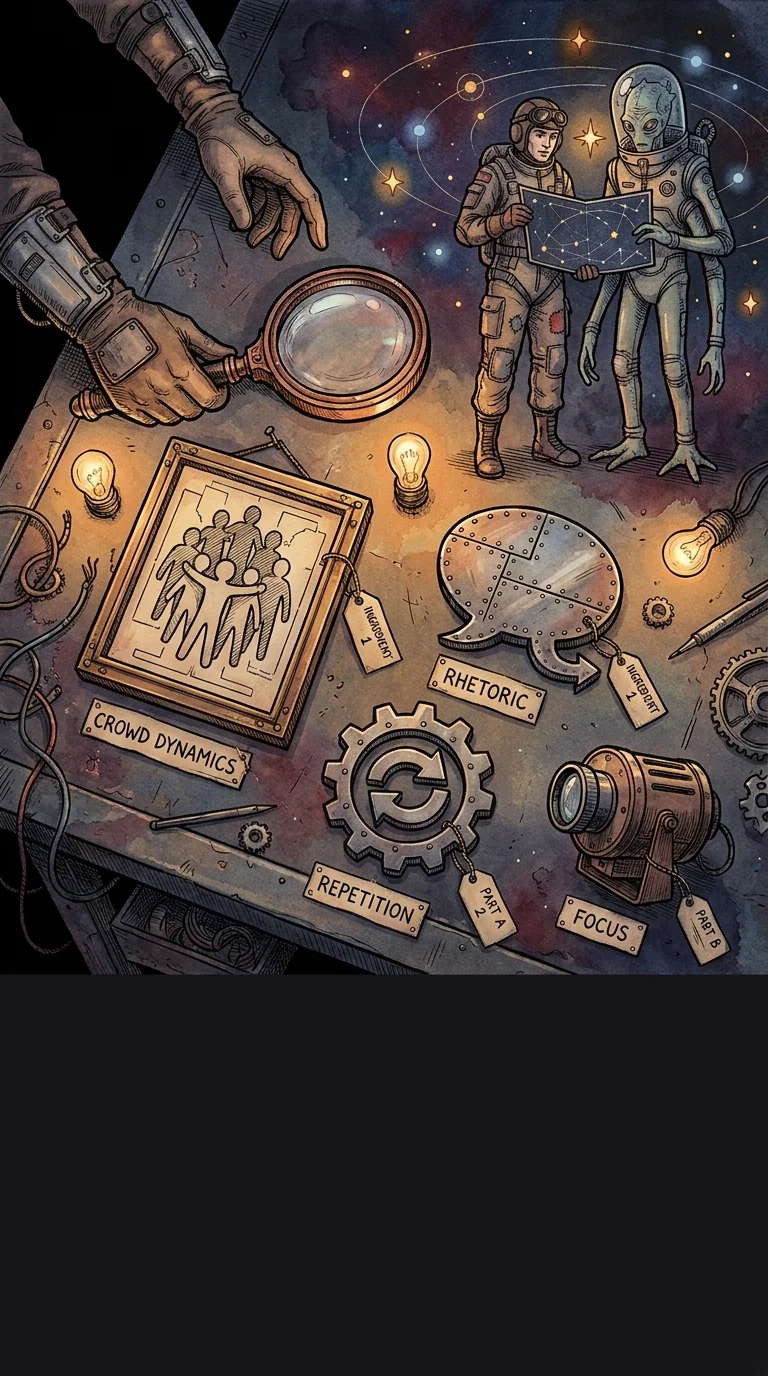
The scapegoat pattern runs on autopilot unless you learn to spot the moving parts. In Part 2, you'll practice catching the recipe in action — identifying each ingredient before it sets. See you there.
Part 2: How a Scapegoat Gets Chosen — Practice
+10 XP on completion
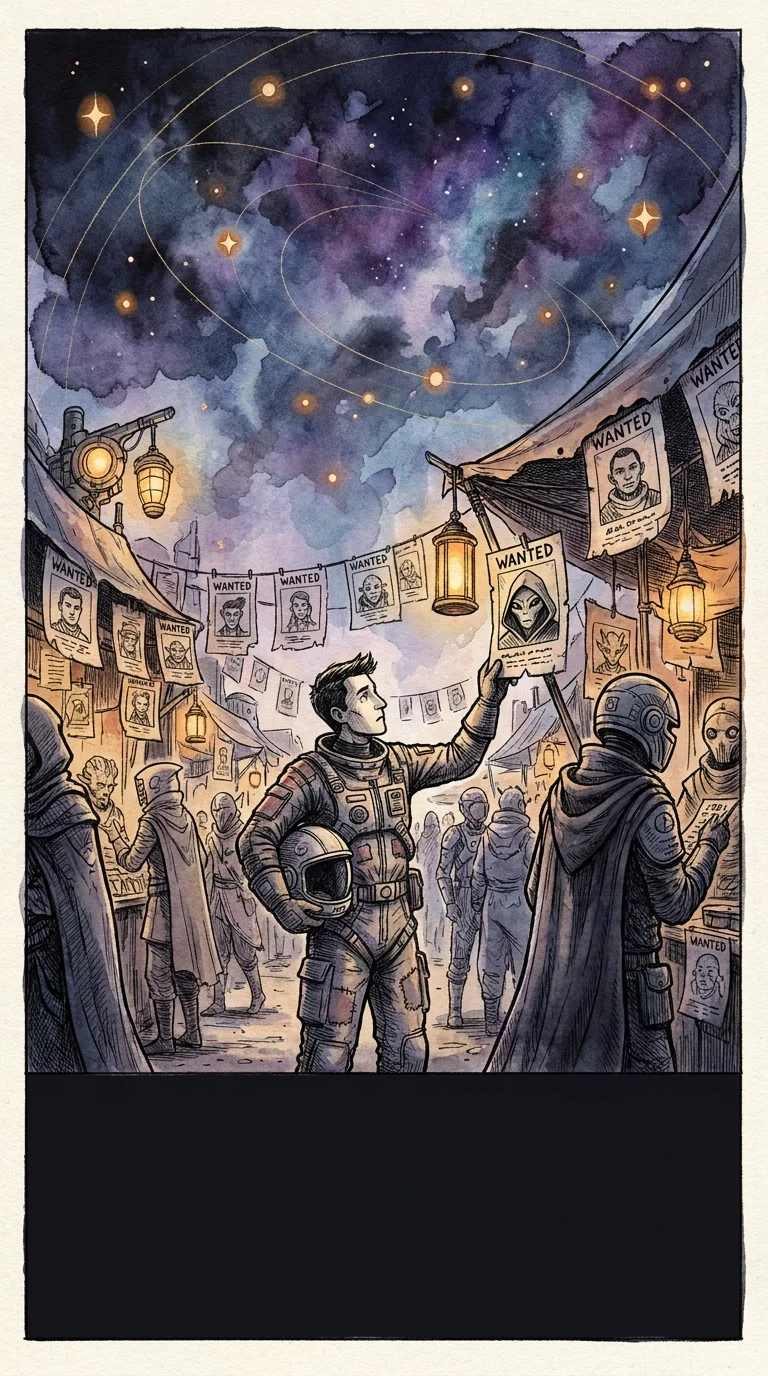
When a big, complicated disaster hits, your brain shops for a simple villain to pin it on. That shopping trip is where scapegoating starts — and where you can interrupt it.
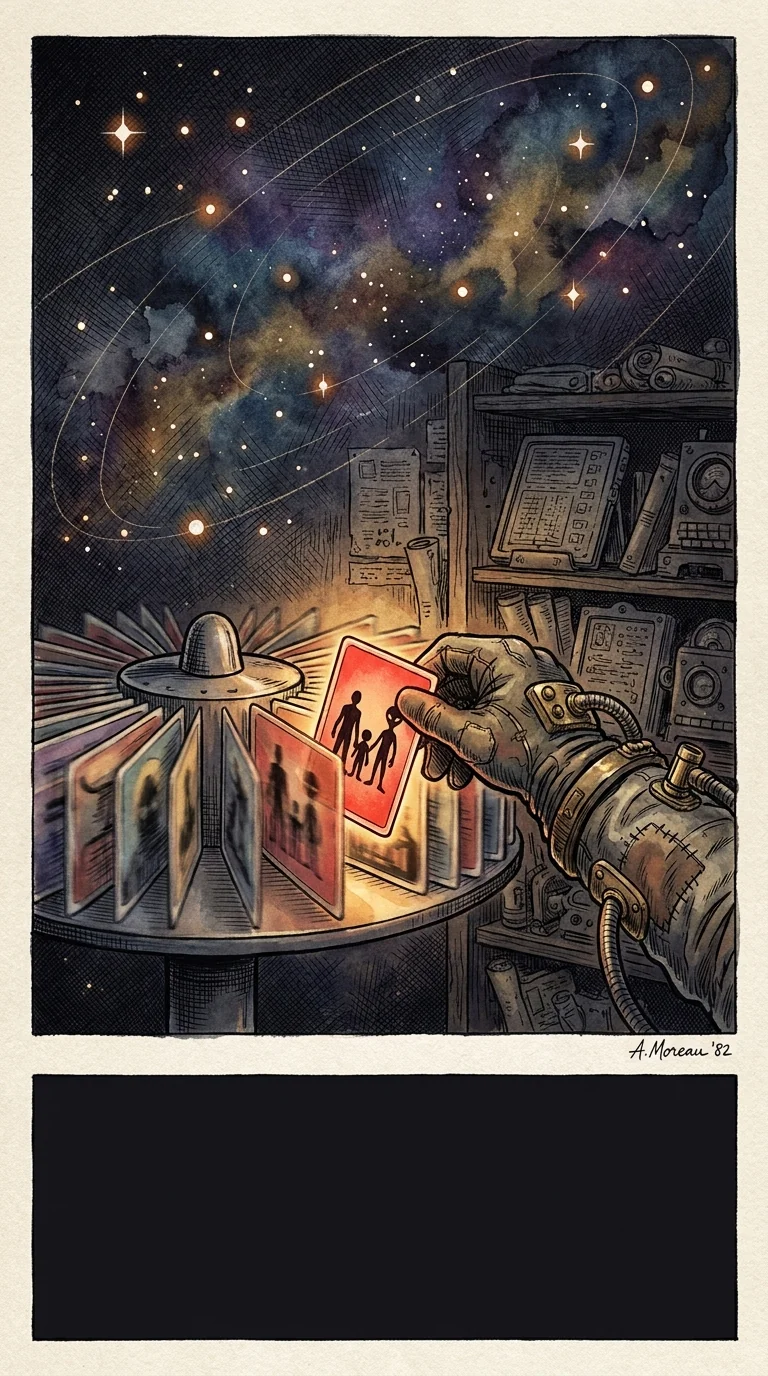
The usual move: something breaks, you feel the anger, and you grab the first explanation that matches a group you already distrust. Done in under three seconds. No research required.
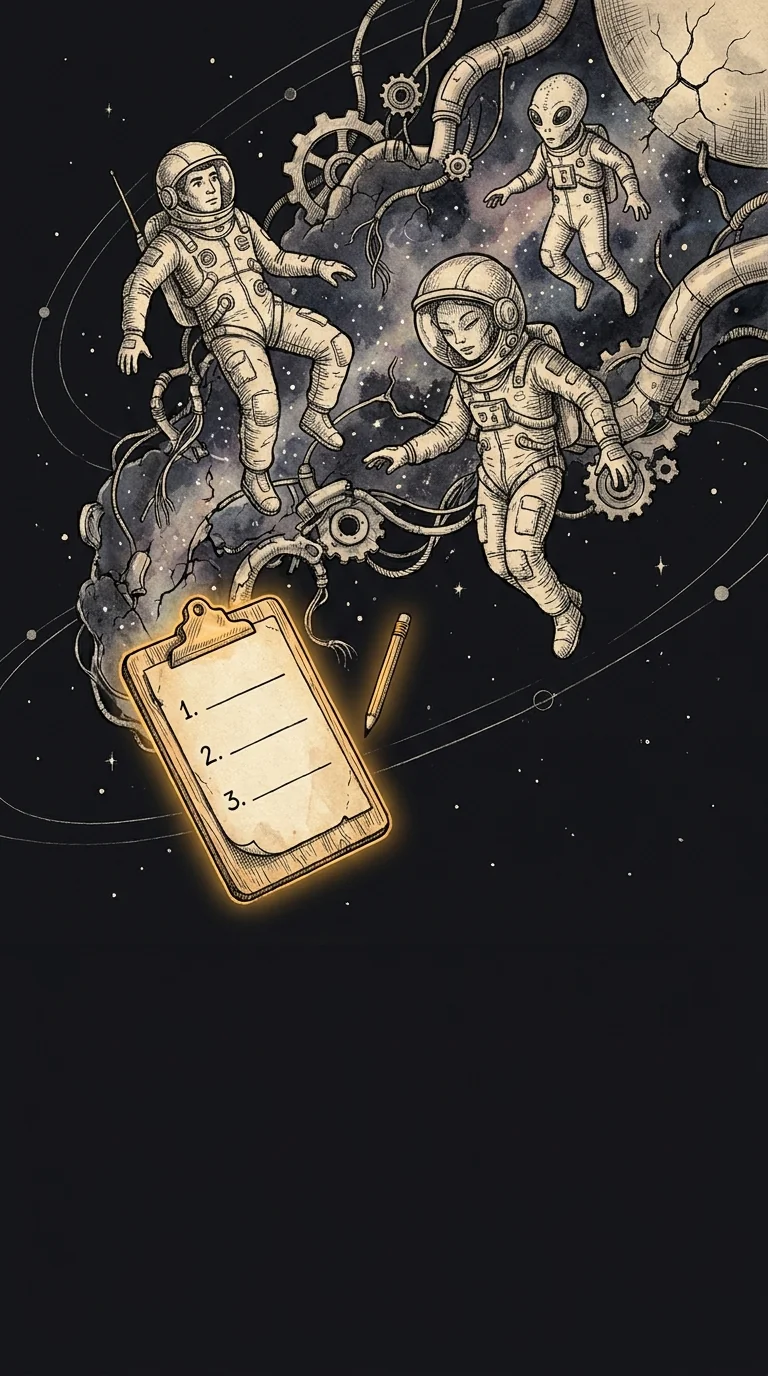
The technique is called the Blame Audit. Before you accept the easy answer, you run three questions past it — not to be noble, but because easy answers are usually wrong and wrong answers cost you.
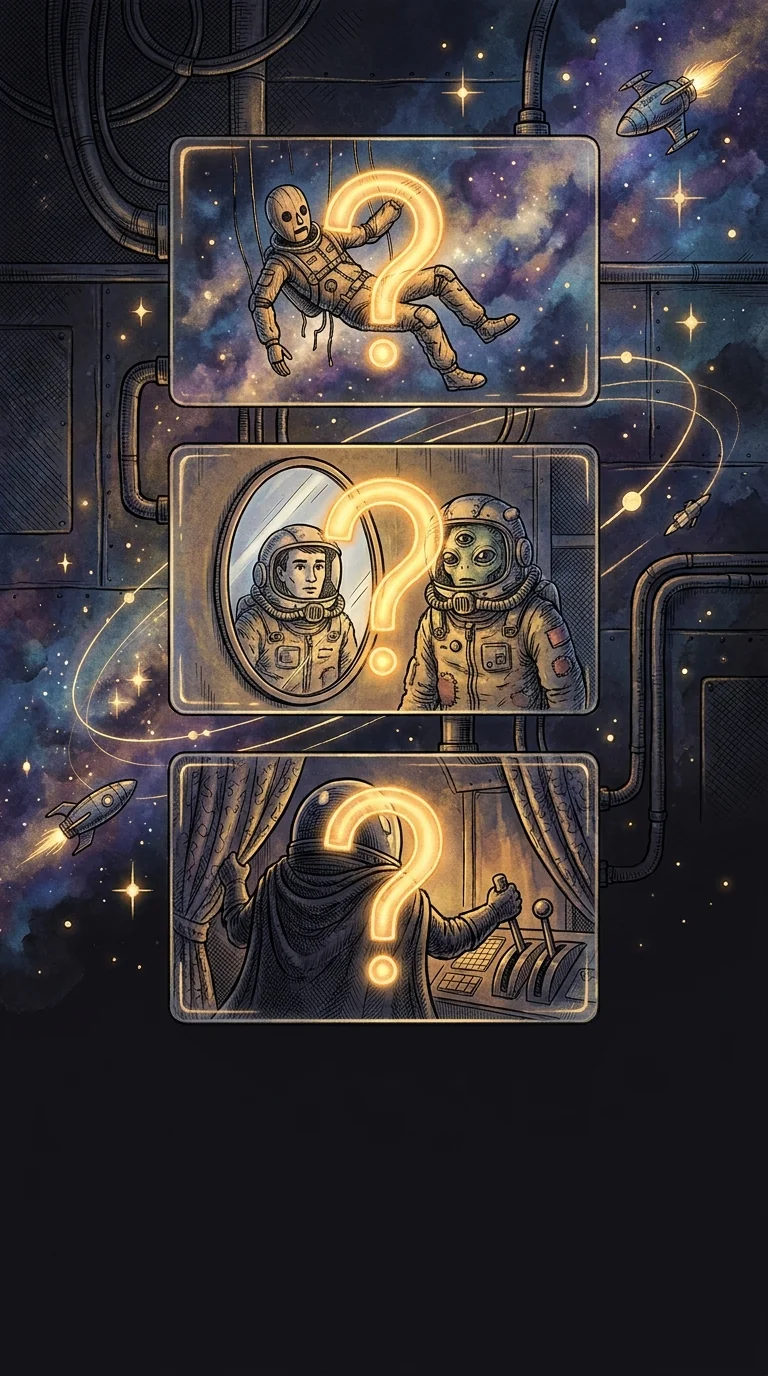
Question one: Is this group being blamed for something they actually controlled? Two: Would I accept this explanation if it named a group I belong to? Three: Who benefits from me blaming them instead of looking at the actual system?
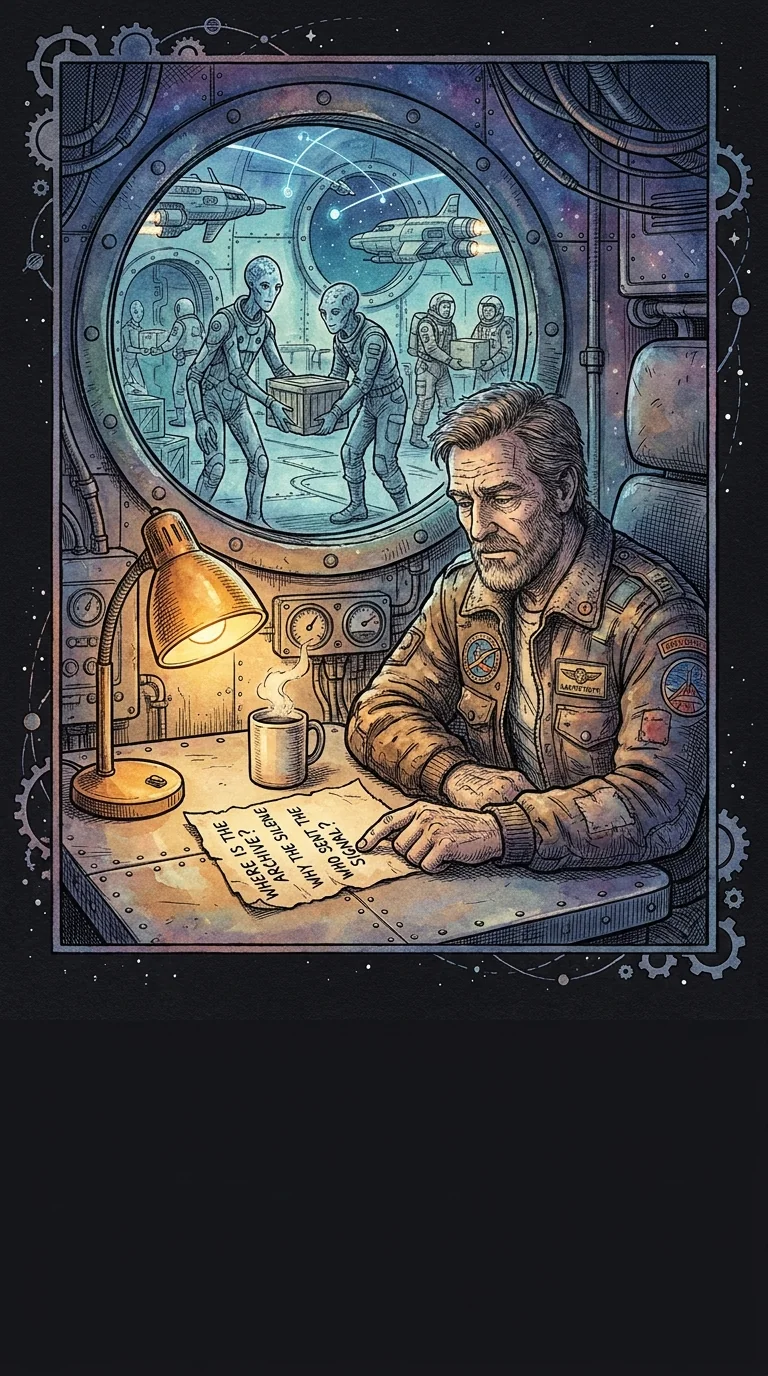
Marcus lost his cargo route when the transit authority restructured. His crew blamed the Tessari migrant workers who'd arrived that same season. He ran the three questions and noticed: the Tessari didn't set transit policy, he wouldn't accept that logic aimed at his own people, and the transit board loved the misdirection. The anger was real. The target was manufactured.

You don't need to be immune to anger — that's not the goal and it's not possible. You just need three questions and the willingness to ask them before the easy answer hardens into a conviction. That pause is yours now. Use it.