Your Blind Spots Are Not Your Fault
You've never once chosen what your brain notices first when a stranger walks into a room. Not once. Your brain decided for you — long before you had a vote.
Part 1: Your Blind Spots Are Not Your Fault — Concept
+5 XP on completion
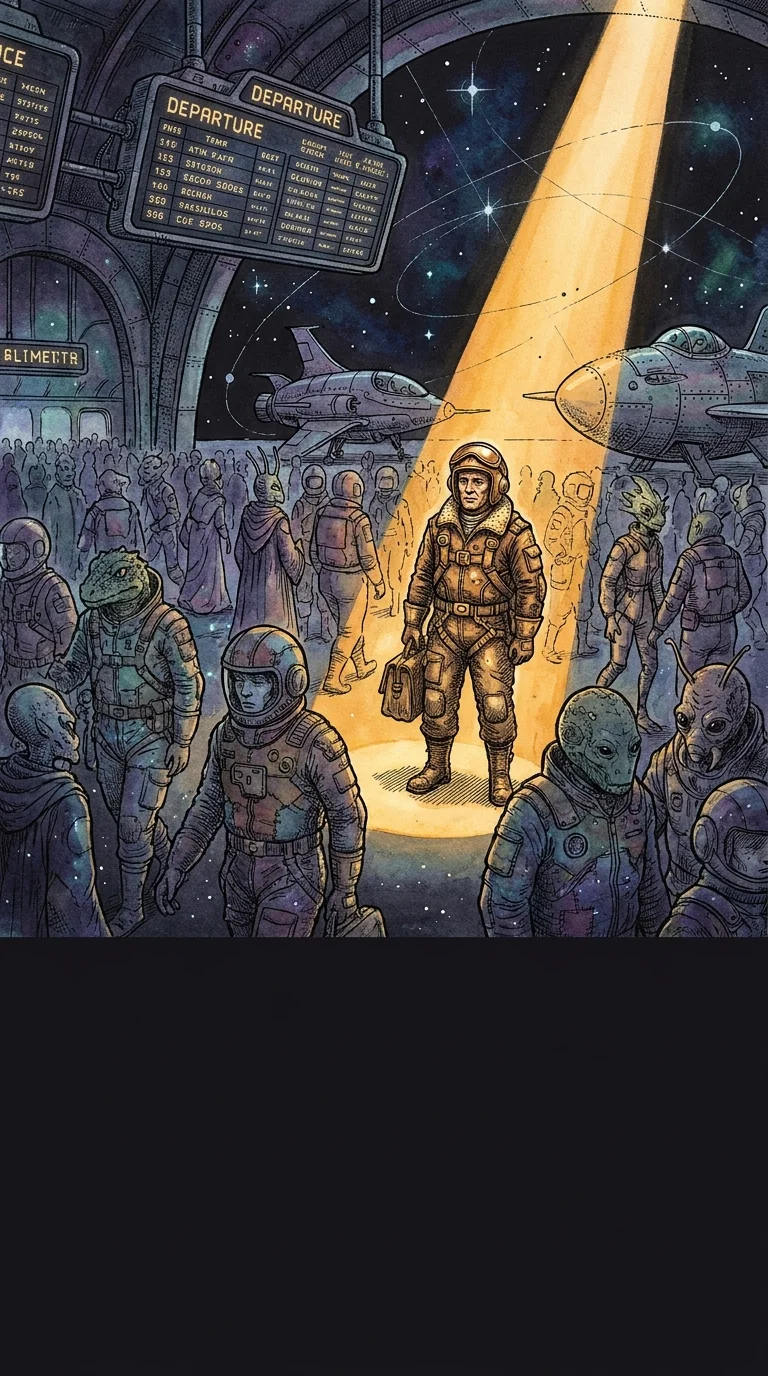
You've never once chosen what your brain notices first when a stranger walks into a room. Not once. Your brain decided for you — long before you had a vote.
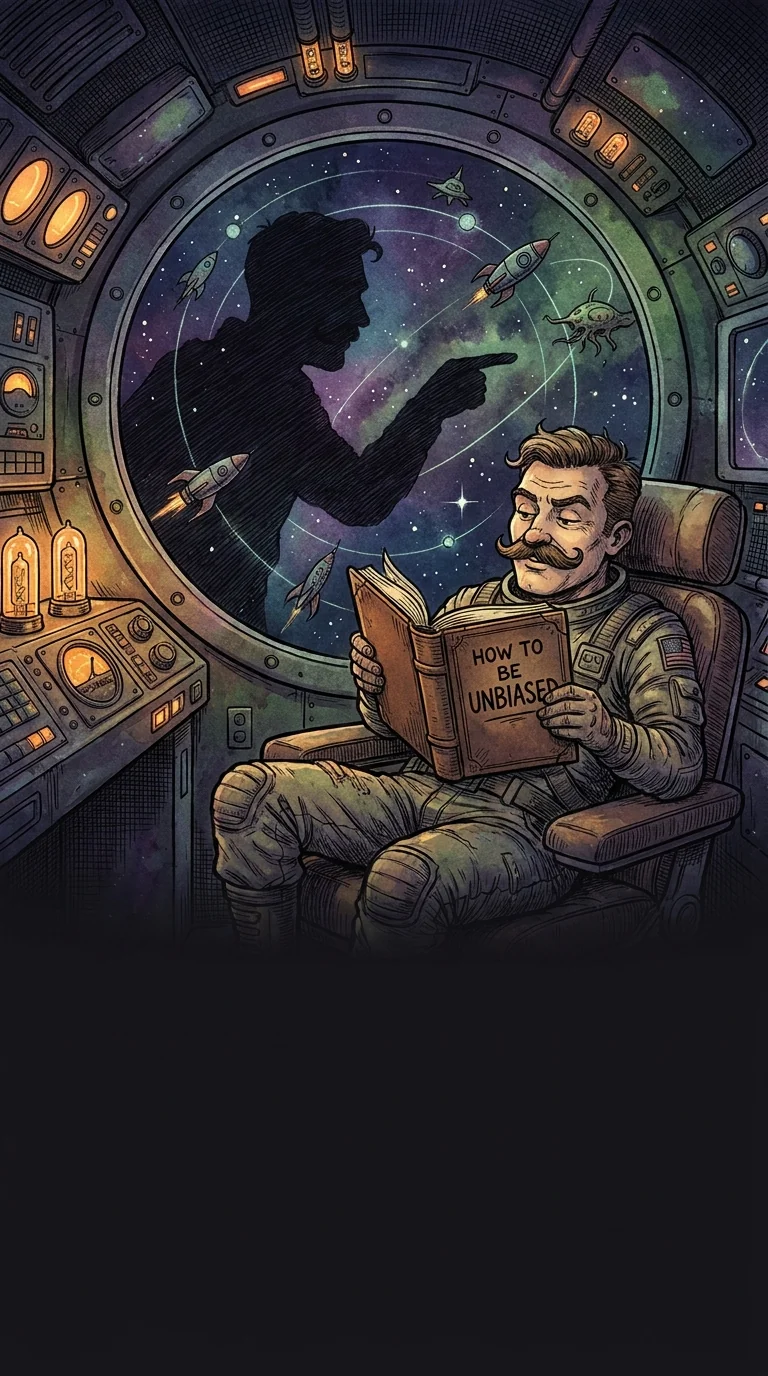
We like to think bias is something other people carry — the loud ones, the ignorant ones, the ones who didn't read the right books. Convenient, isn't it.
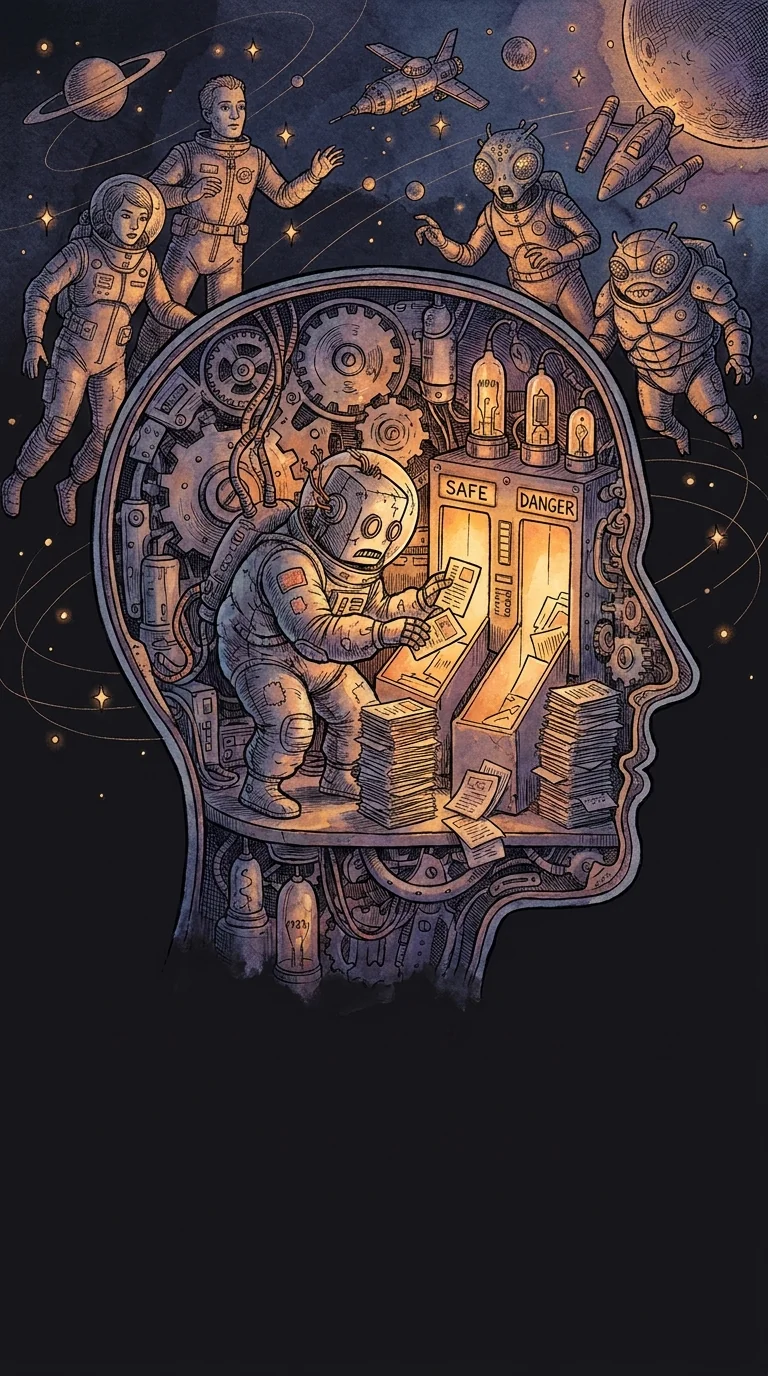
Your brain grew up sorting a firehose of information into fast categories — safe, dangerous, us, them — because hesitating used to get you eaten. Bias isn't a defect. It's a survival shortcut that never got an update.
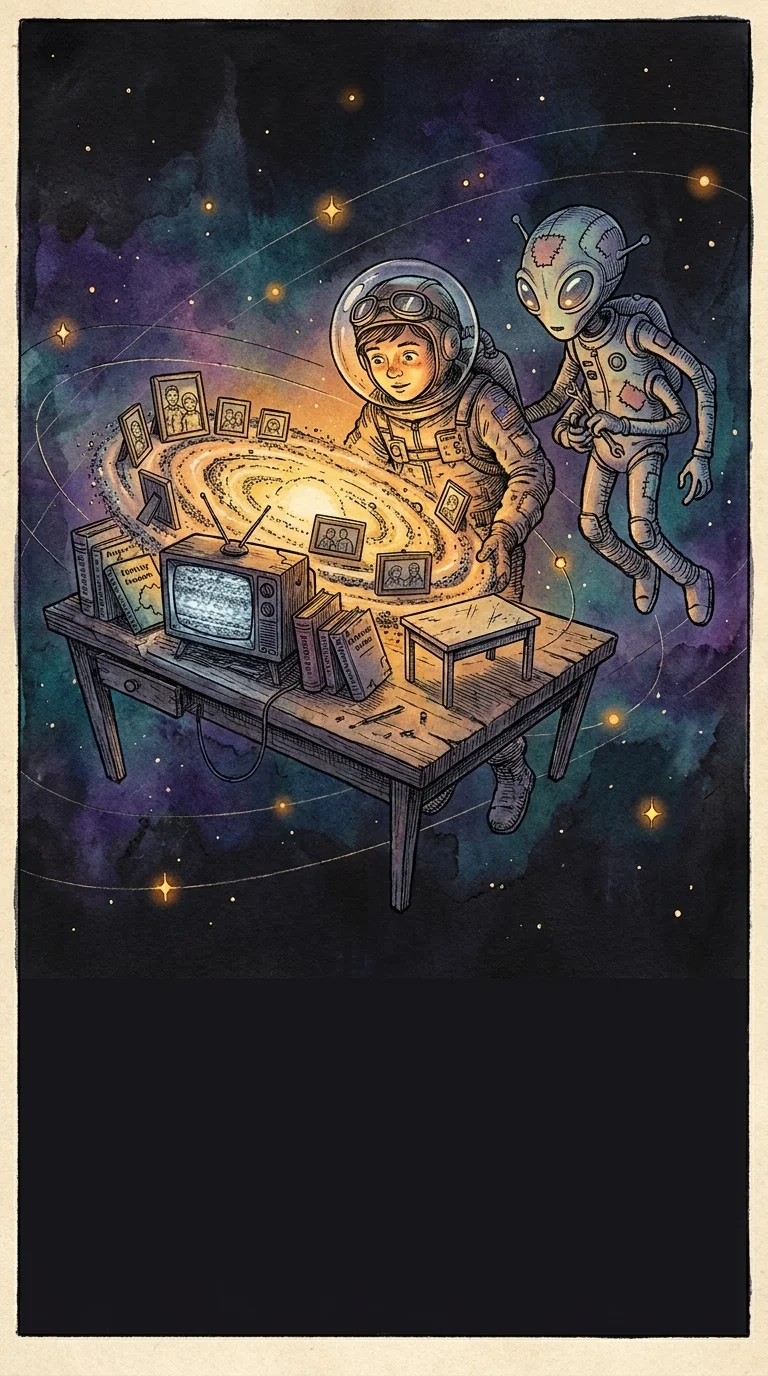
Every brain builds its categories from whatever was nearby — your neighborhood, your family's kitchen table, the stories that got repeated. You didn't pick the raw material. You just built with what was handed to you.
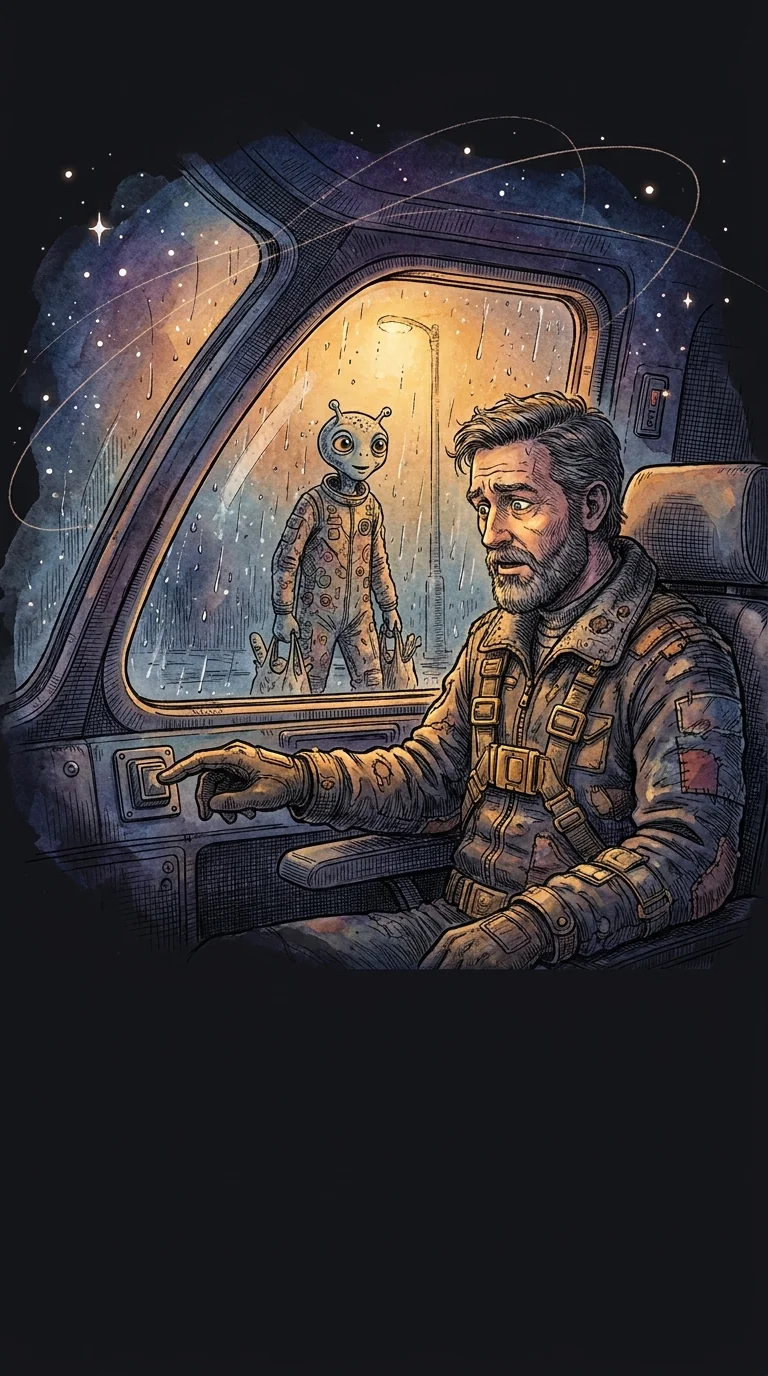
Marcus caught himself locking his shuttle door when a stranger walked past — then realized the stranger looked like his new coworker, someone he genuinely liked. Same brain, same shortcut, fired before he could think. He sat with that for a long minute.
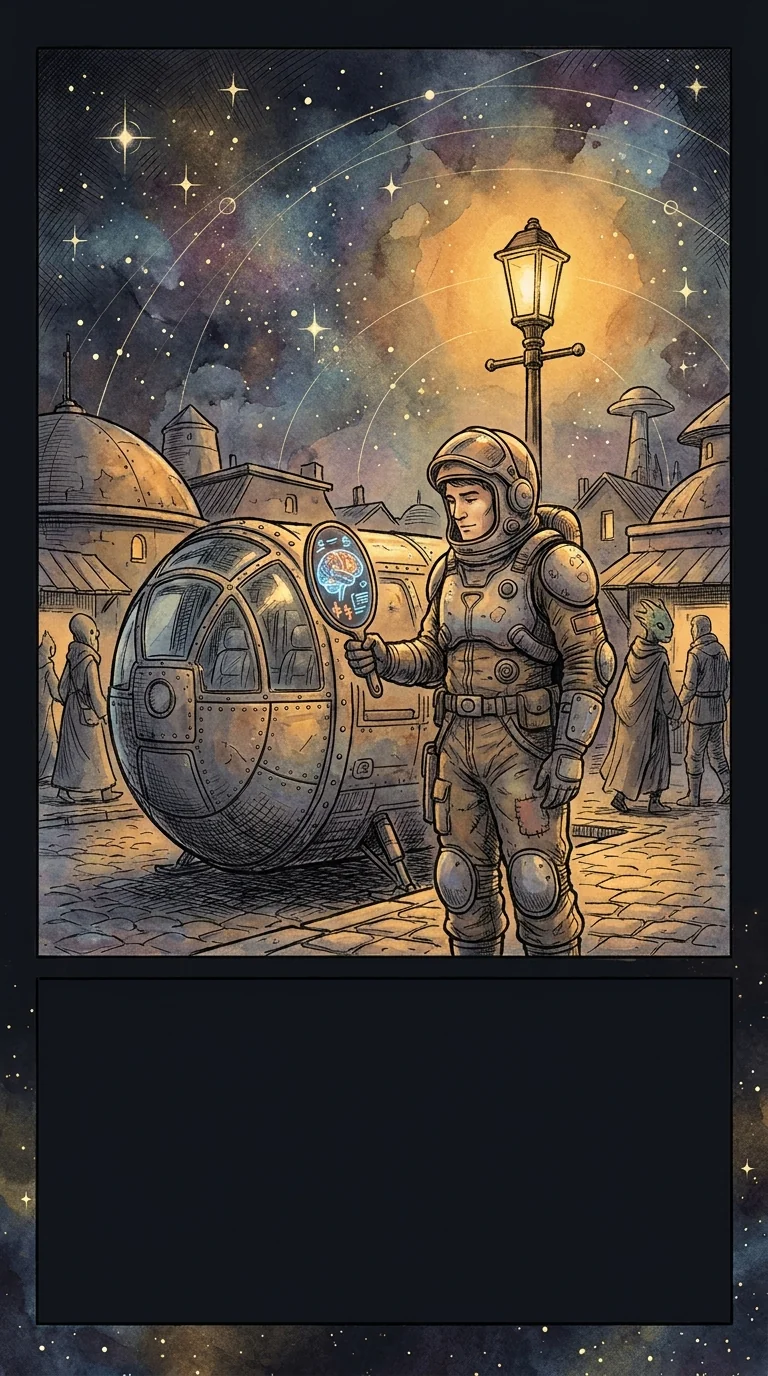
The shortcut fired. That part wasn't his fault. What he did next — noticing it, sitting with it — that part was his. In Part 2, you'll practice a quick self-check for catching your own shortcuts in real time. See you there.
Part 2: Your Blind Spots Are Not Your Fault — Practice
+10 XP on completion
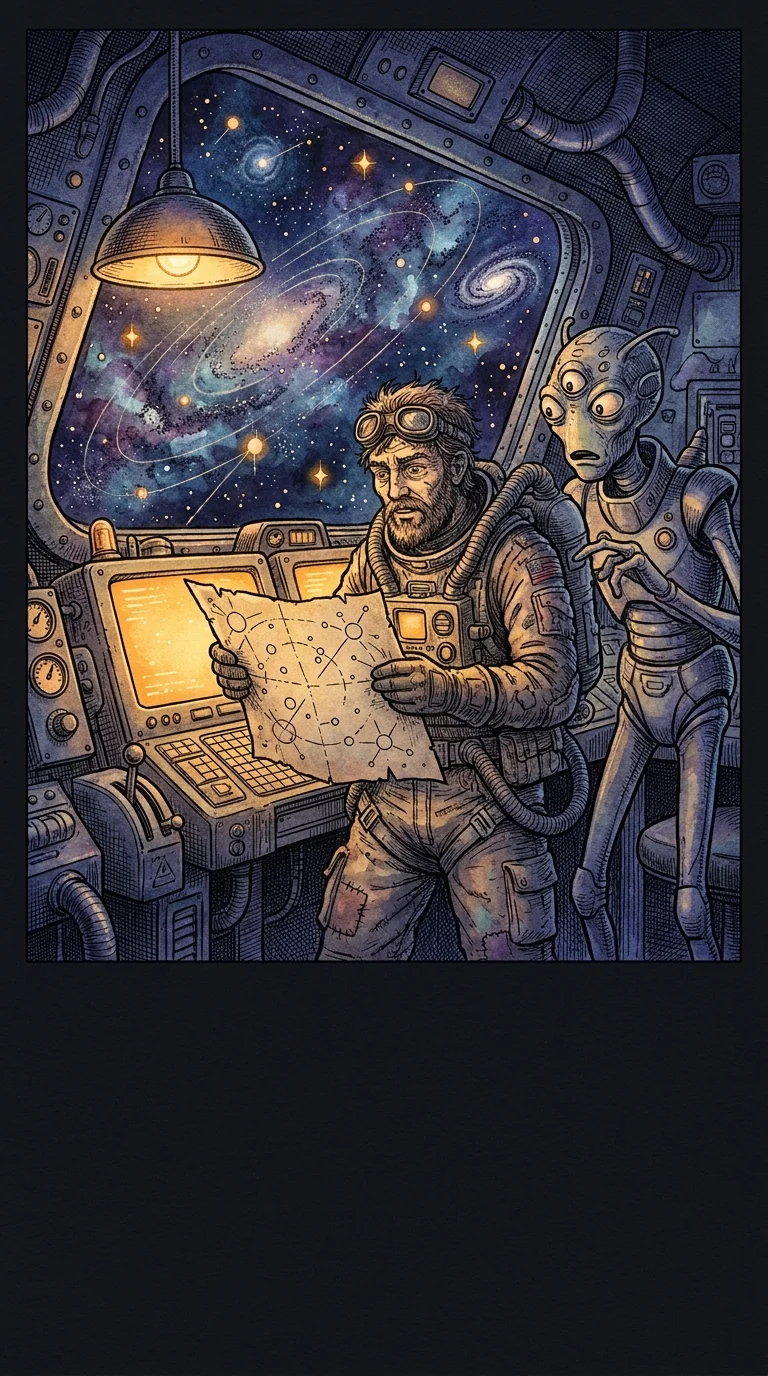
Your brain learned its shortcuts from whatever map it was handed first. The map isn't the territory — but your reflexes don't know that yet.
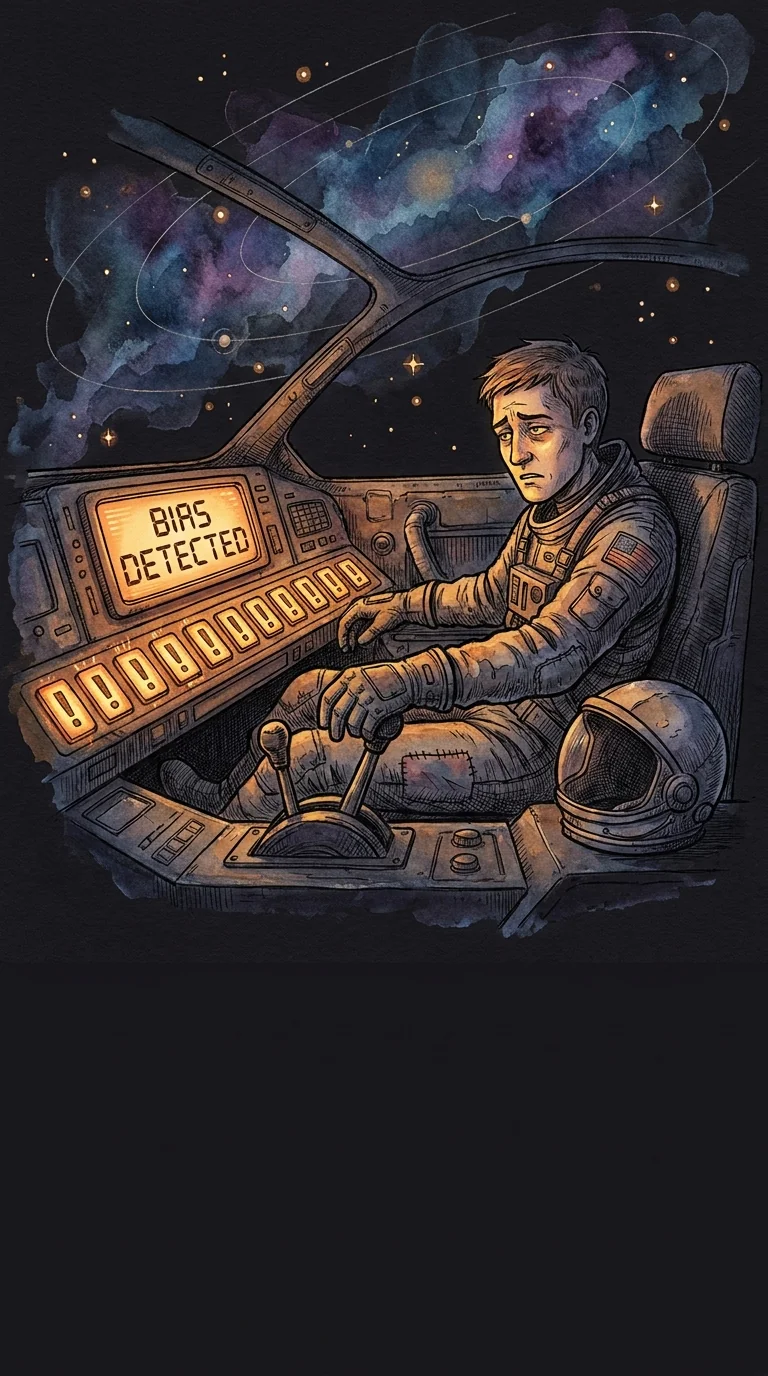
Most bias-awareness exercises stop at 'notice your bias.' Great — now you're aware AND still doing the same thing. Noticing without a next step is just guilt with better lighting.
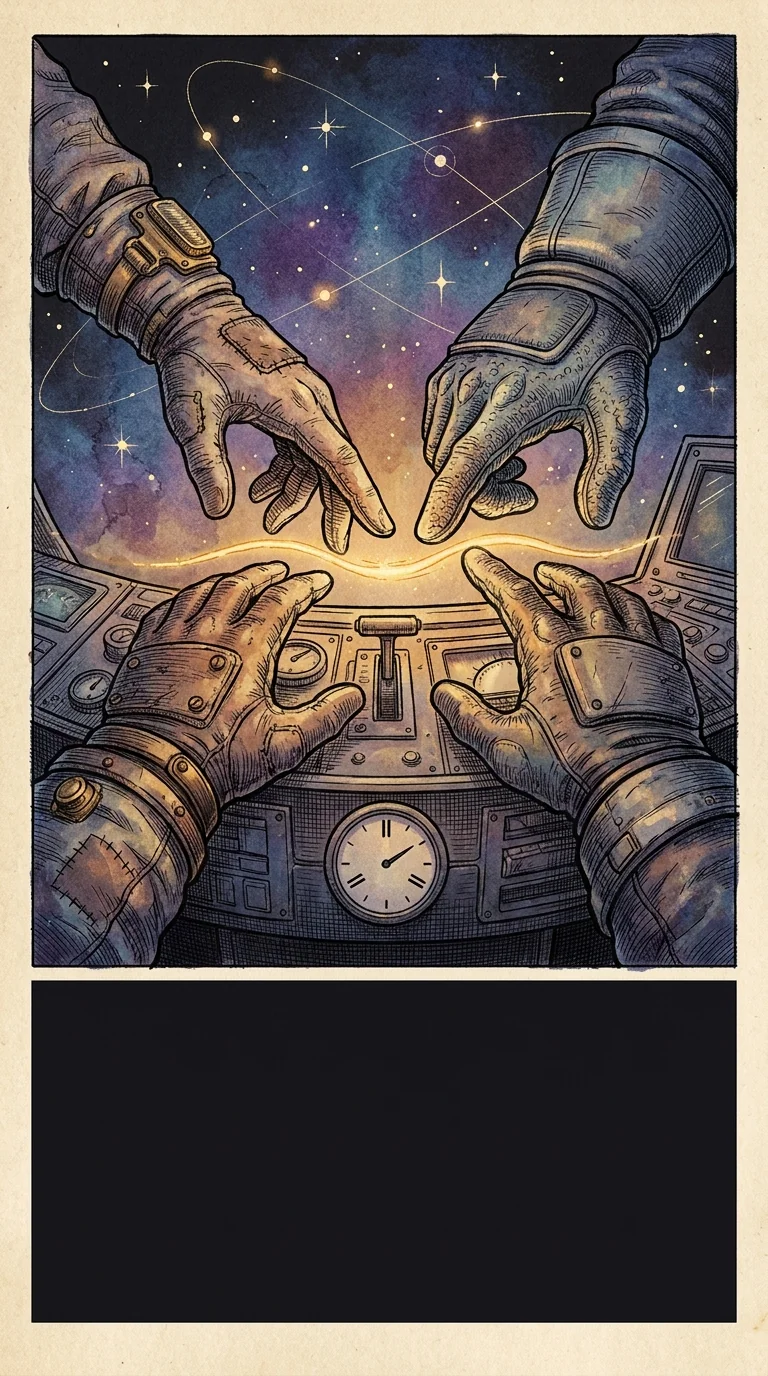
The trick isn't eliminating the reflex. It's building a three-second gap between the reflex and your response — a pause where you get to choose. We call it the Slow Scan.
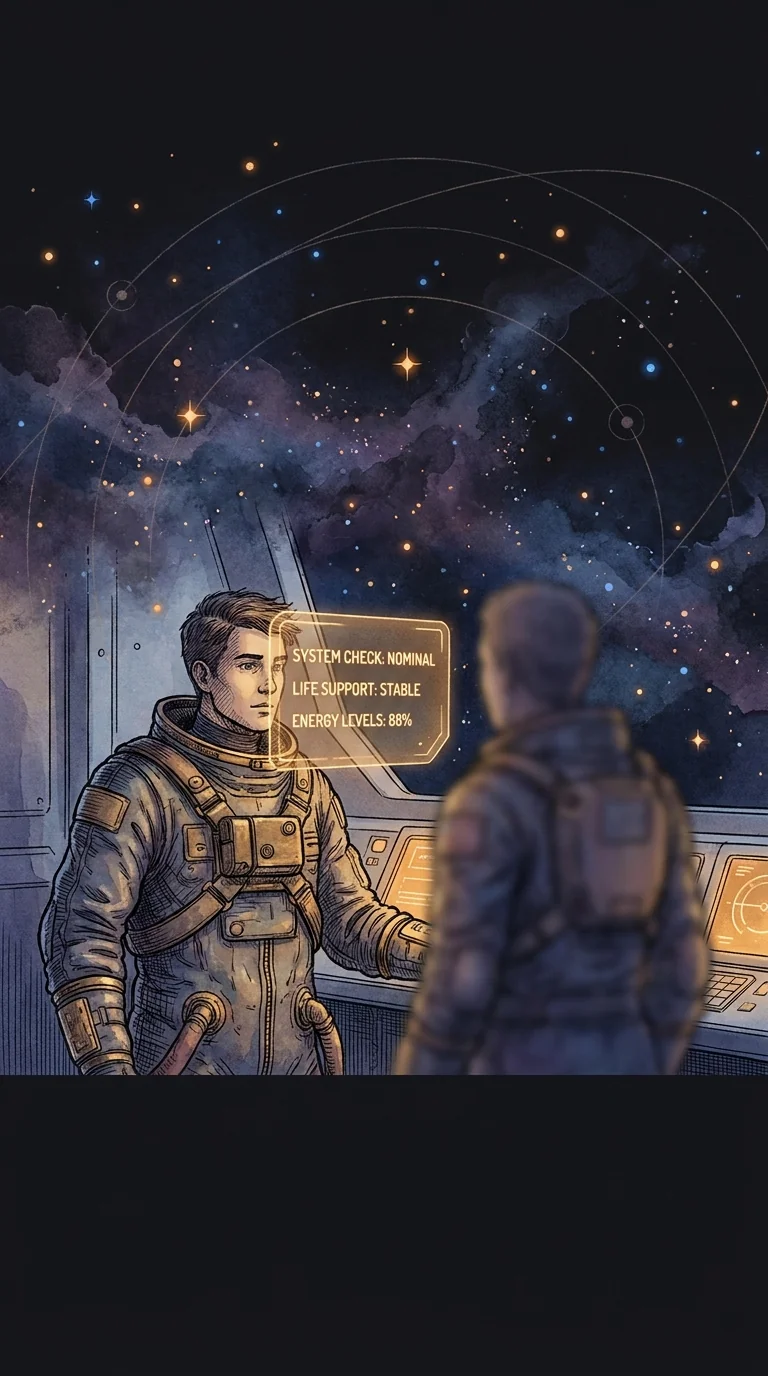
When you catch a snap judgment about someone — a flinch, a label, a category — pause and ask three questions: What did I assume? Where did I learn that? What am I actually seeing right now?
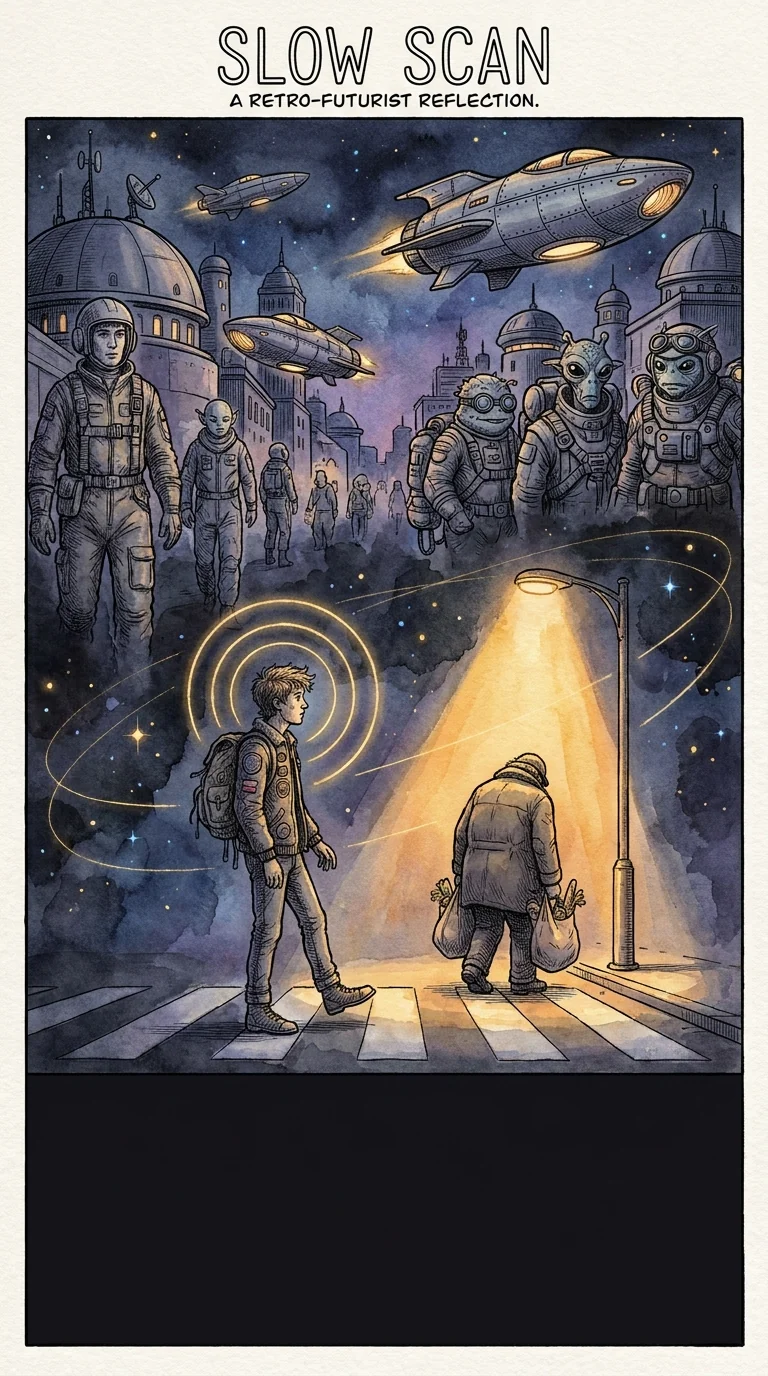
Marcus caught himself crossing the street to avoid someone last Tuesday. He stopped. Ran the Slow Scan. What he was actually seeing: a tired guy carrying groceries home. The old reflex didn't vanish — but it lost the vote.
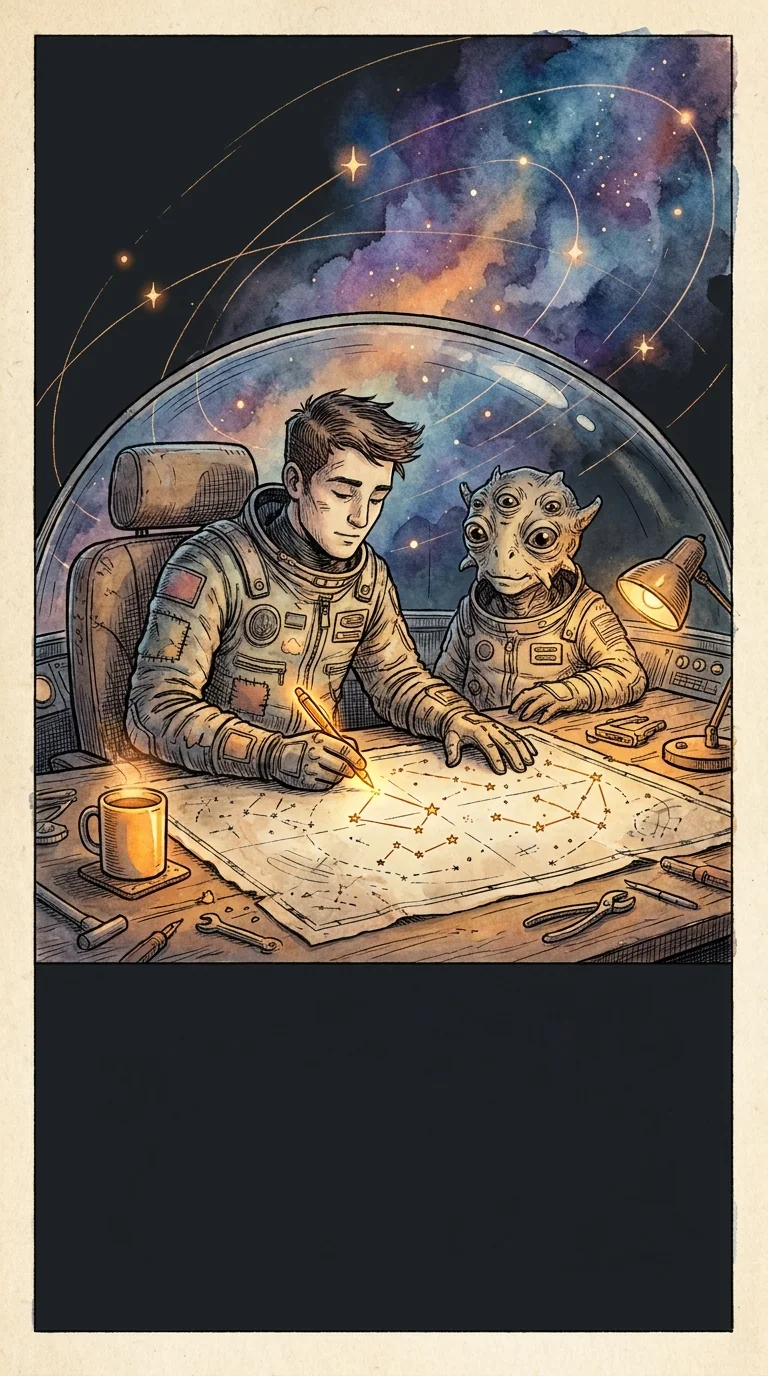
You won't catch every reflex. You don't need to. Each Slow Scan rewires the map a little — and a little, practiced consistently, changes the whole territory you can see.