The Most Replicated Finding in Social Psychology
Imagine a pill that reliably reduces prejudice — tested across 38 countries, confirmed in 515 separate studies. You'd probably want that prescription.
Part 1: The Most Replicated Finding in Social Psychology — Concept
+5 XP on completion

Imagine a pill that reliably reduces prejudice — tested across 38 countries, confirmed in 515 separate studies. You'd probably want that prescription.

Your brain builds its model of other groups from whatever data it has — and if that data is secondhand headlines, algorithm-curated outrage, and your cousin's forwarded memes, the model is going to be garbage. Garbage in, fear out.

The pill is contact. Actual, face-to-face, shared-activity contact with people from the group your brain has filed under "other." Gordon Allport proposed it in 1954. Half a century of research said: yeah, he was right.

It works because proximity rewrites the model. Sitting across from a real person — cooking together, solving a problem together, waiting in line together — your brain quietly replaces the caricature with data it can't argue with. Individual faces are harder to hate than categories.

Marcus spent two years furious at a group he'd never actually shared a room with. Then a community repair project put him elbow-deep in drywall with three of them for a weekend. He didn't have an epiphany — he just quietly ran out of reasons to be angry at Samir specifically, and that specificity cracked the whole frame.

Contact isn't magic and it isn't instant — but it is the single most replicated finding in the field. The catch is that not all contact works equally well; conditions matter. In Part 2, you'll practice identifying the four conditions that make contact actually reduce prejudice — and map where they already exist in your life. See you there.
Part 2: The Most Replicated Finding in Social Psychology — Practice
+10 XP on completion
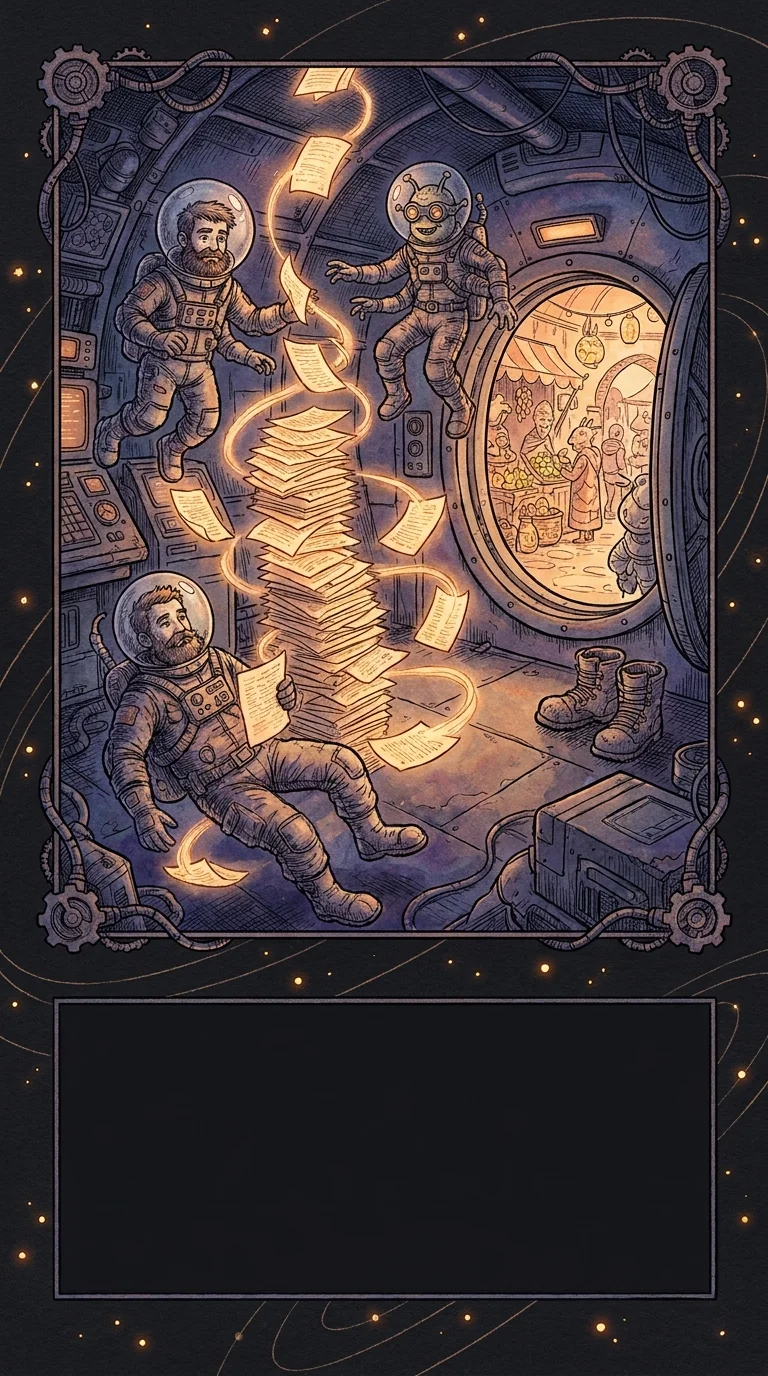
Five hundred and fifteen studies say the same thing: structured, equal-status contact with people different from you reduces prejudice. So the practice is embarrassingly simple — you have to actually go do it.
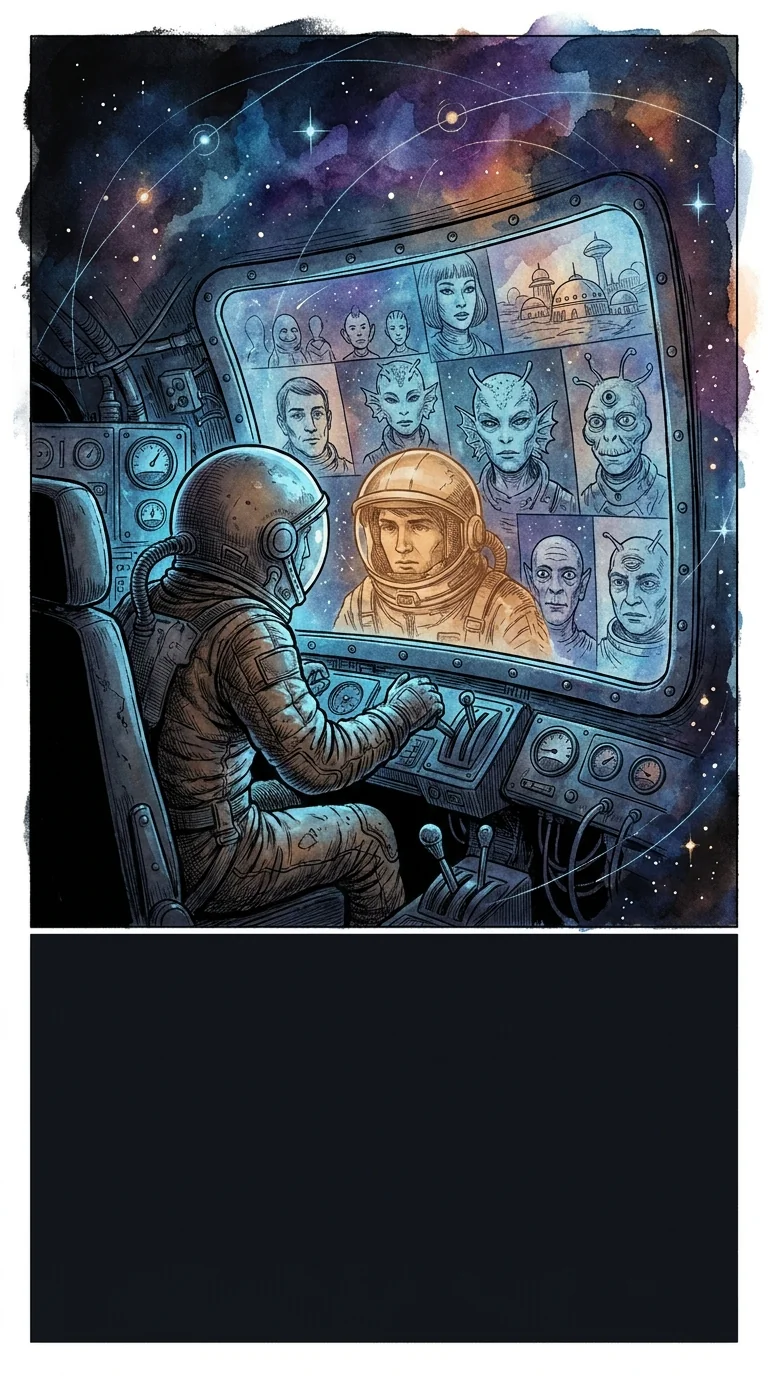
What most of us do instead: read about empathy, watch a documentary, nod thoughtfully, and never once sit across from someone whose life looks nothing like ours. Passive exposure isn't contact. It's tourism.

The technique is called the Contact Inventory. It maps where real contact already exists in your life — and where the gaps are wide enough to park a cargo hauler.

Step one: list the five people you spent the most time with this month. Step two: note where they differ from you — background, age, faith, life experience — and where they don't. Step three: pick one gap and find one low-stakes place where that gap closes — a volunteer shift, a class, a community meal. Equal footing, shared goal, real conversation.

Marcus ran his Contact Inventory on a Tuesday night and realized every name on his list looked, voted, and worried about the same things he did. By Saturday he was building shelves at a community food bank with people who didn't. Nobody changed anybody's mind that afternoon — but the category "those people" got a lot harder to maintain once it had a name, a bad joke, and a preference for over-tightening screws.
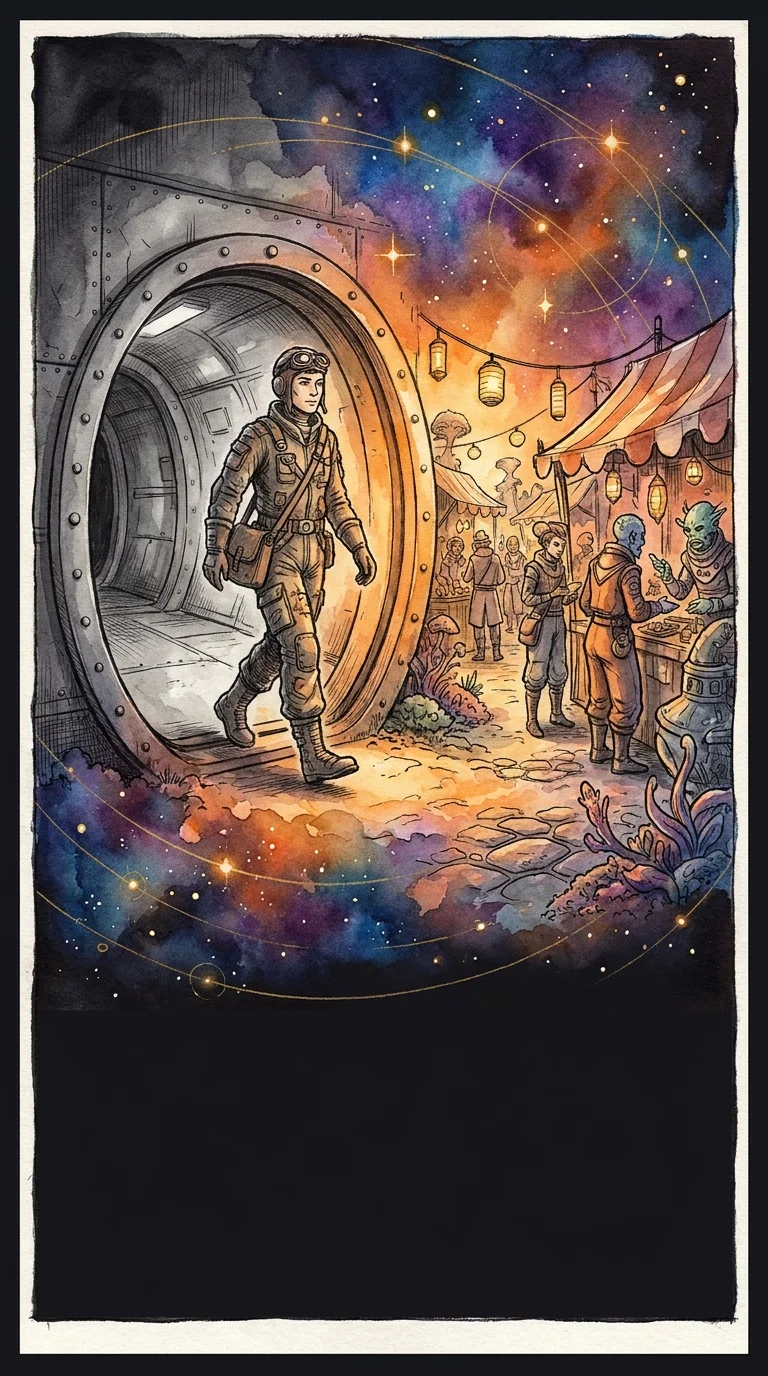
Your inventory doesn't need to be perfect. It just needs to be honest — and it needs to end with one real step outside your usual orbit. The research is enormous, the cost is zero, and the only side effect is that your world gets a little harder to oversimplify.