The Table Is the Technology
Every peace process you've ever heard of — the commissions, the treaties, the handshakes for cameras — started the same way. Somebody sat down across from somebody else and passed the bread.
Part 1: The Table Is the Technology — Concept
+5 XP on completion
Every peace process you've ever heard of — the commissions, the treaties, the handshakes for cameras — started the same way. Somebody sat down across from somebody else and passed the bread.
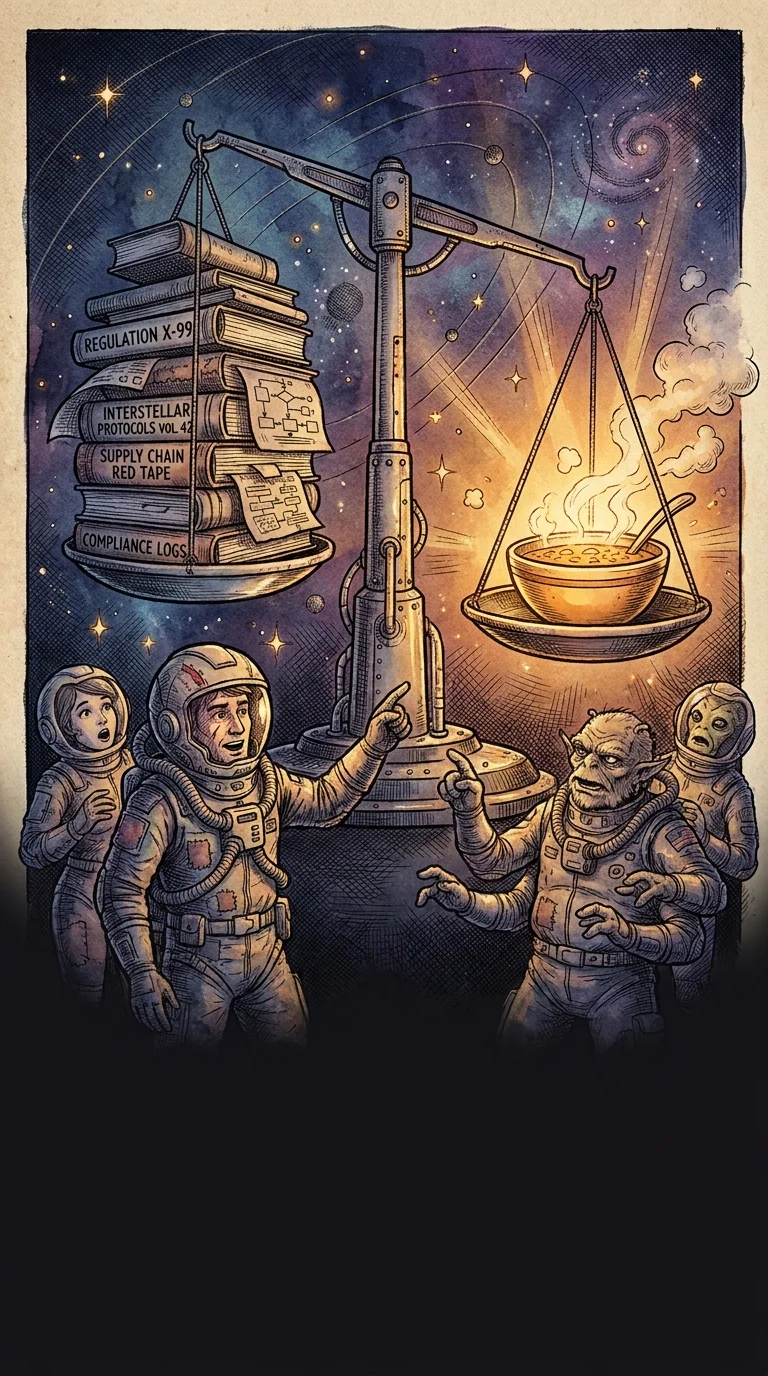
We keep inventing sophisticated conflict-resolution frameworks — mediation protocols, dialogue architectures, twelve-step facilitation models. Meanwhile, the oldest technology in the species is a shared meal, and we keep walking past it like it's too simple to count.
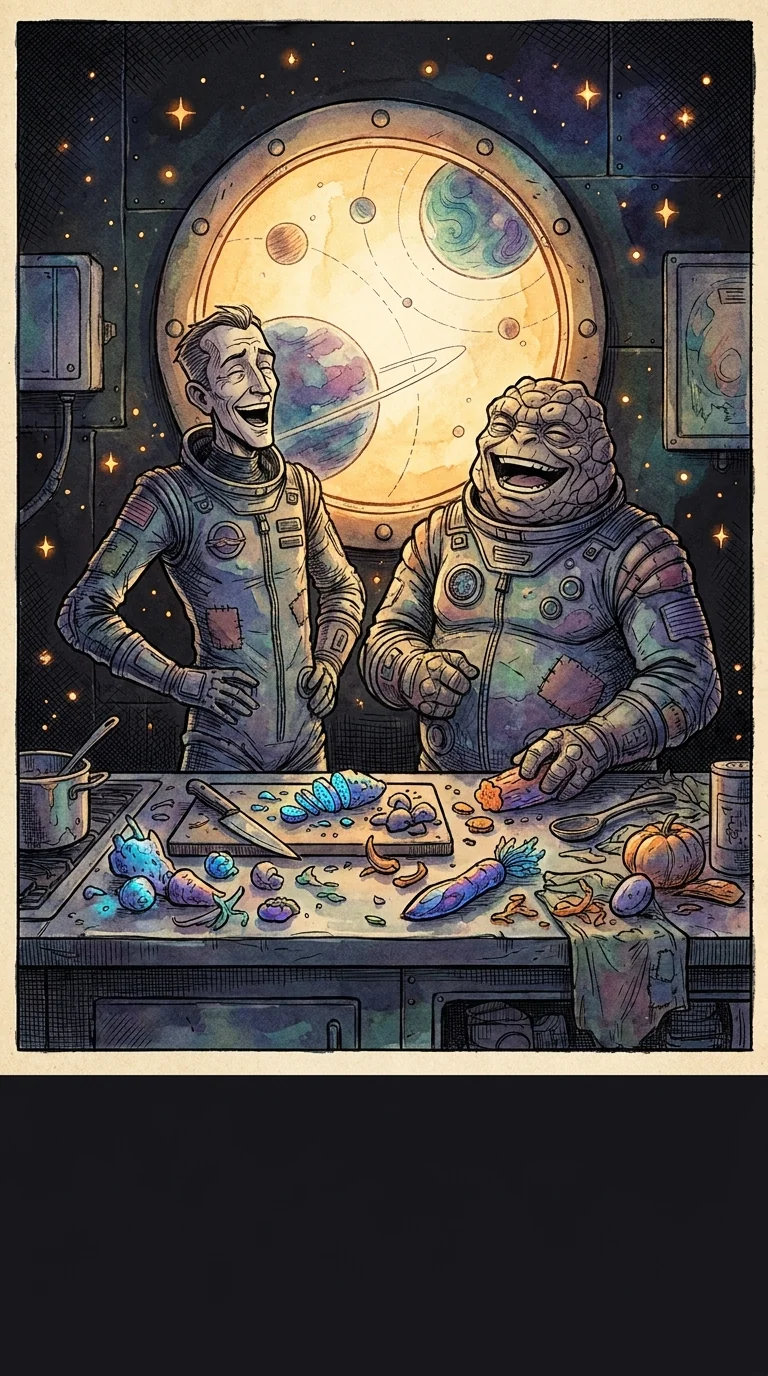
Here's what the contact hypothesis from Day 8 actually looks like in practice: two people doing something together. Not debating. Not persuading. Chopping vegetables, raising a barn wall, laughing at the same bad joke. Shared activity rewires the category from "them" to "us" faster than any argument ever could.
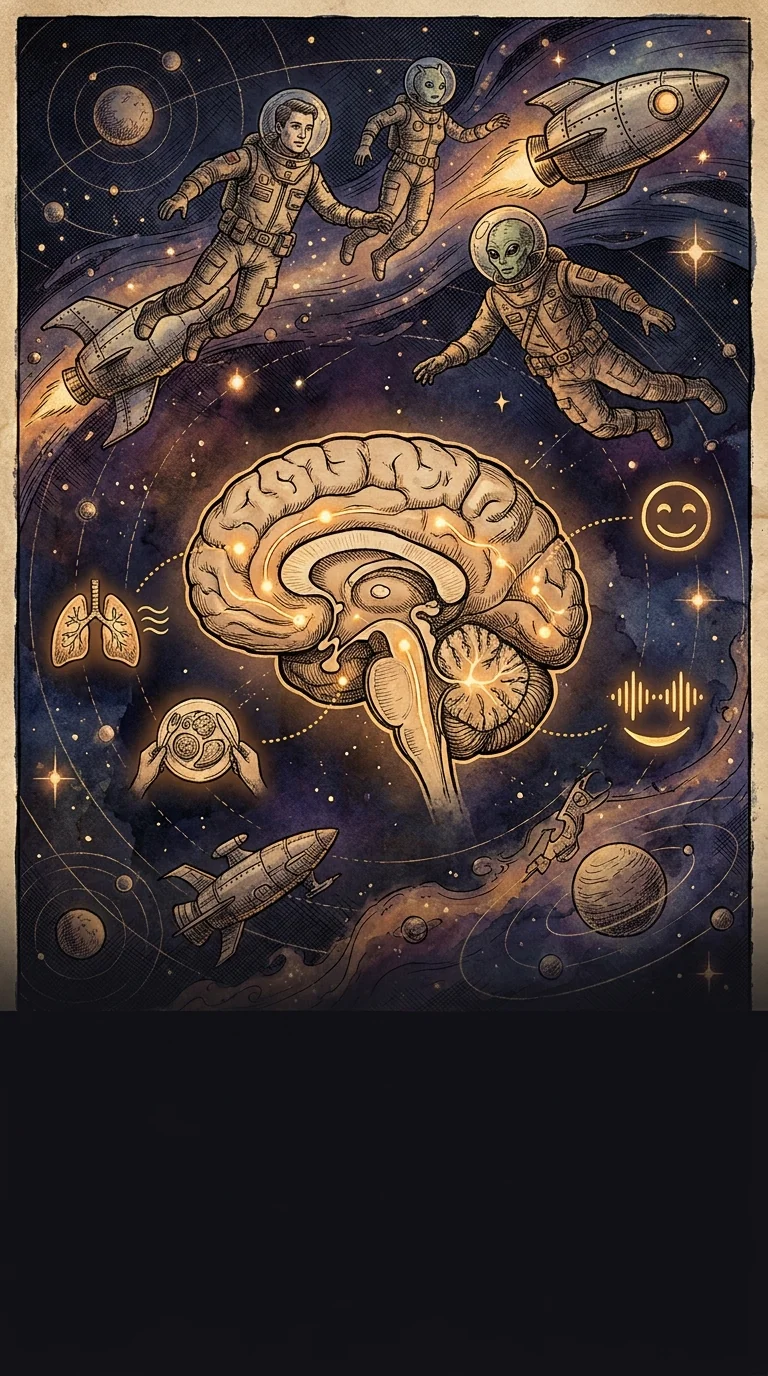
The mechanism is embarrassingly low-tech. Shared physical tasks synchronize breathing and movement. Eating together triggers oxytocin. Laughter drops cortisol. Your nervous system starts filing the other person under "safe" before your conscious mind has finished deciding whether to trust them.
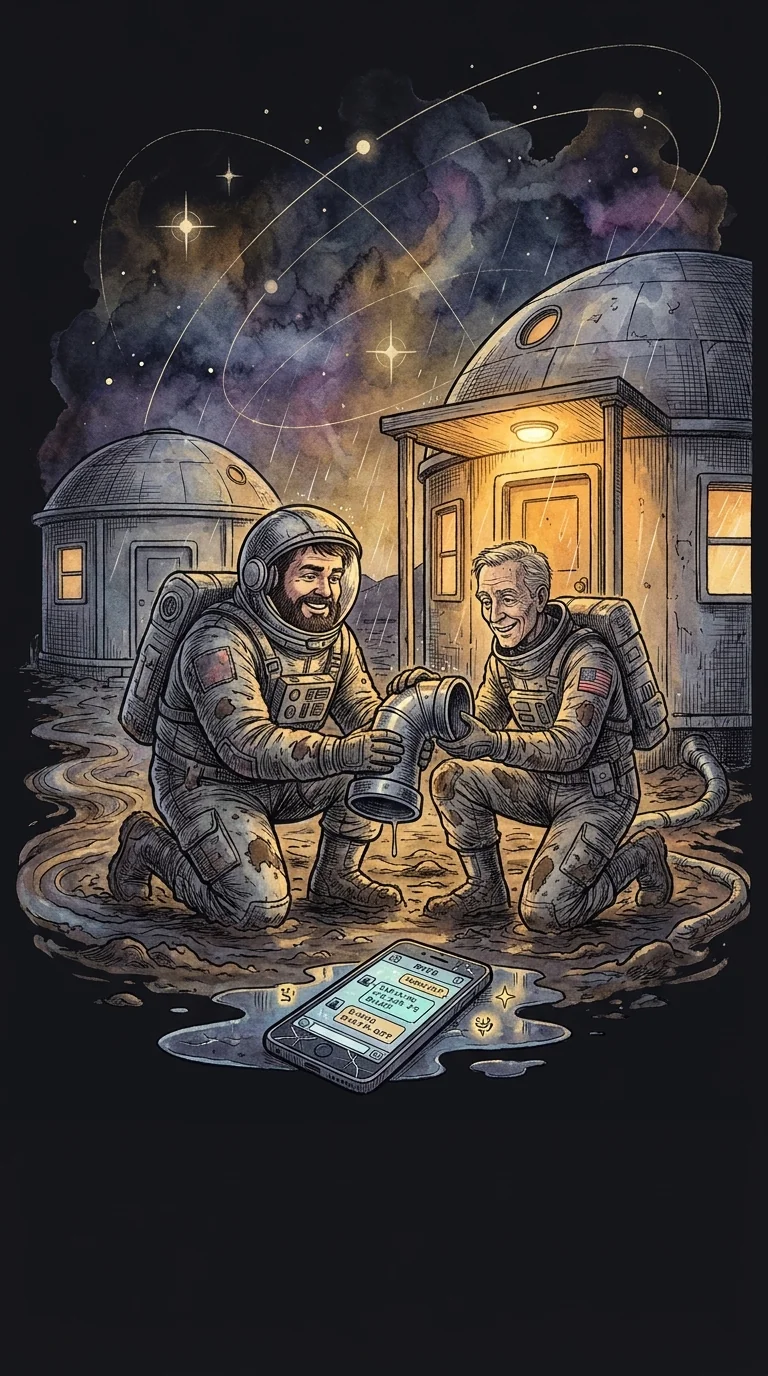
Marcus had spent three months arguing with his neighbor online about a zoning dispute. Furious threads, public comments, the whole theater. Then a pipe burst on their shared property line and they spent four hours in the mud together fixing it. By hour two, the zoning fight had quietly become a thing they could actually talk about. Nobody won the argument. The table just did what the table does.
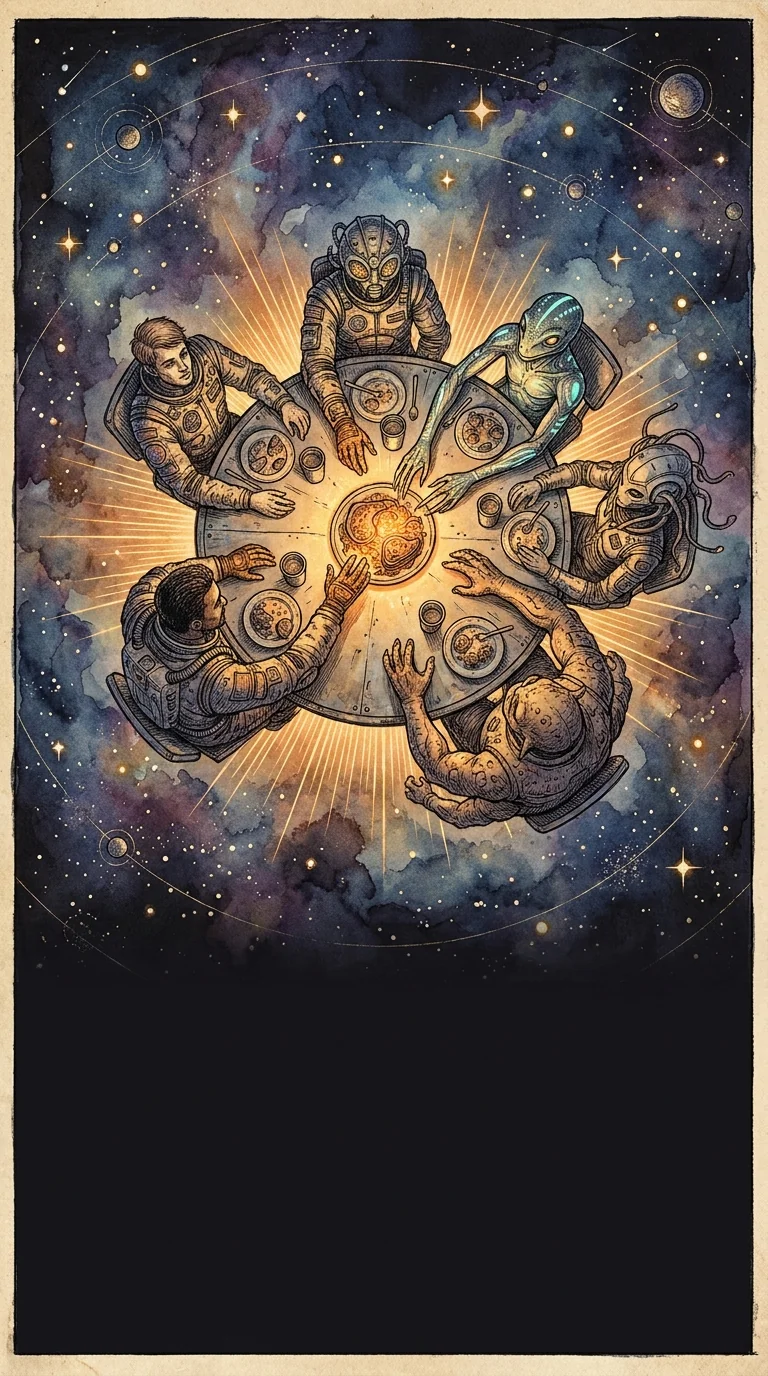
The table — literal or figurative — is the technology. It predates every framework, every commission, every professional mediator. And it still works. In Part 2, you'll practice designing your own shared-activity encounters — small, concrete, no agenda required. See you there.
Part 2: The Table Is the Technology — Practice
+10 XP on completion
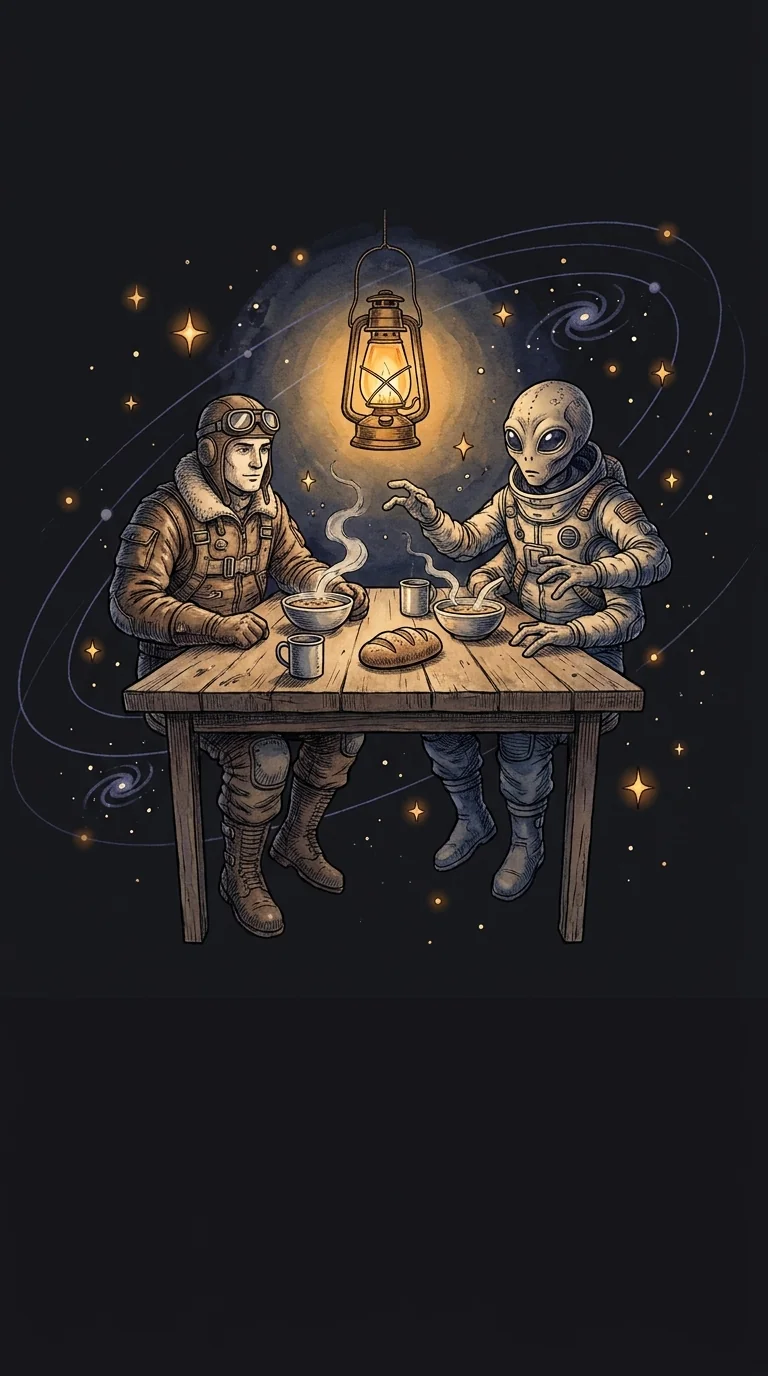
Before committees and commissions, there was a table. Someone put food on it, someone else sat down, and the oldest conflict-resolution technology on the planet quietly booted up.
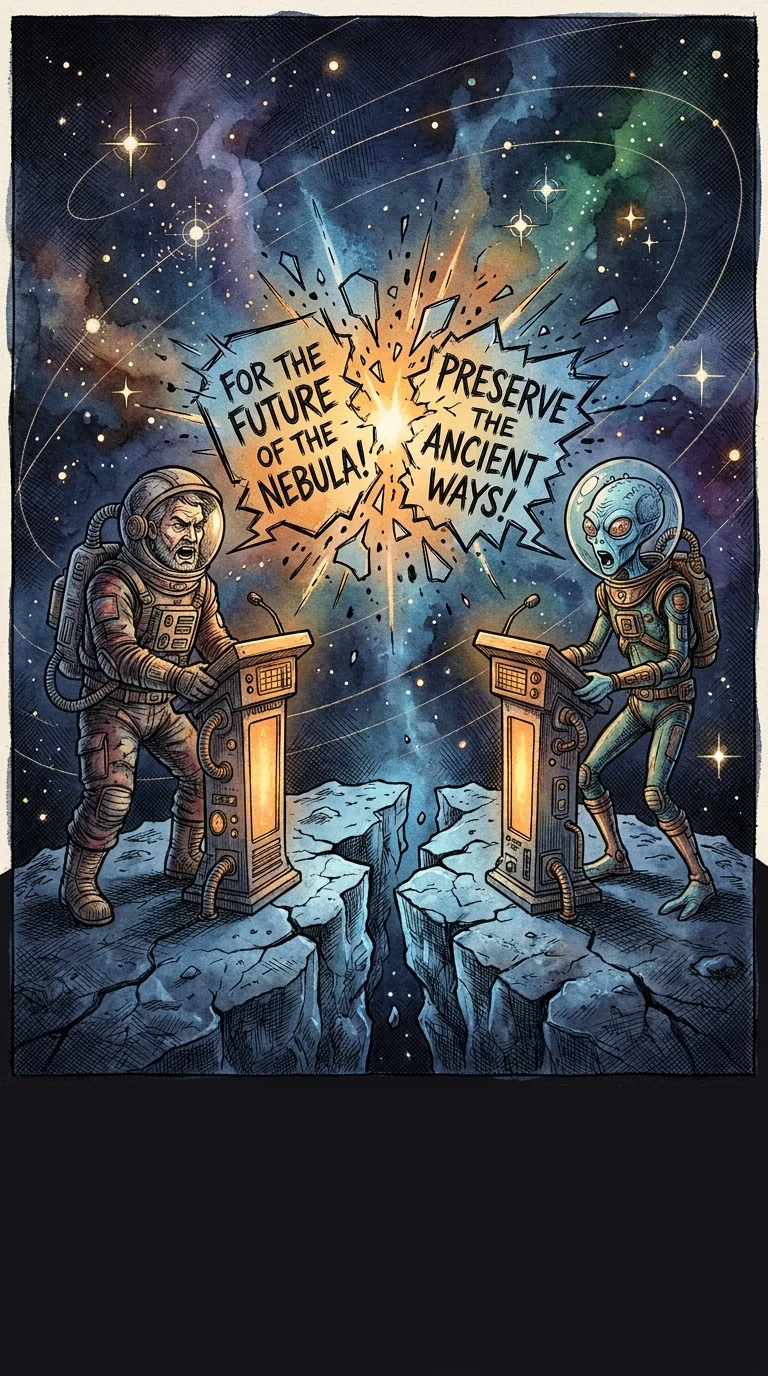
We keep trying to debate our way to connection — marshaling arguments, scoring points, waiting for our turn to talk. Turns out, two people locked in a logical duel rarely discover they're on the same side. The mouth is busy doing the wrong job.
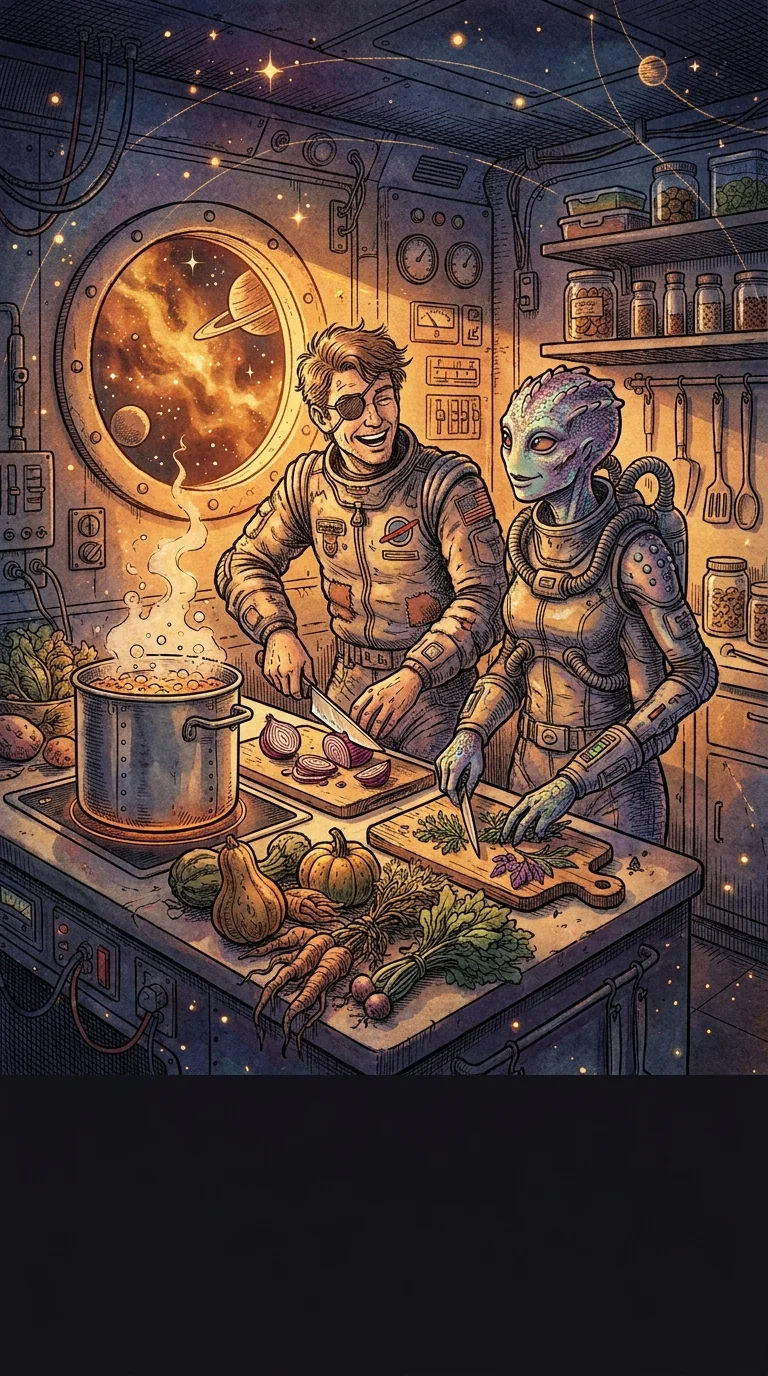
The technique is called The Shared Table. The idea is dead simple: do something side by side before you try to talk face to face. Cook. Build. Fix something. Laugh at the same bad joke. Parallel activity rewires the room faster than any argument ever could.
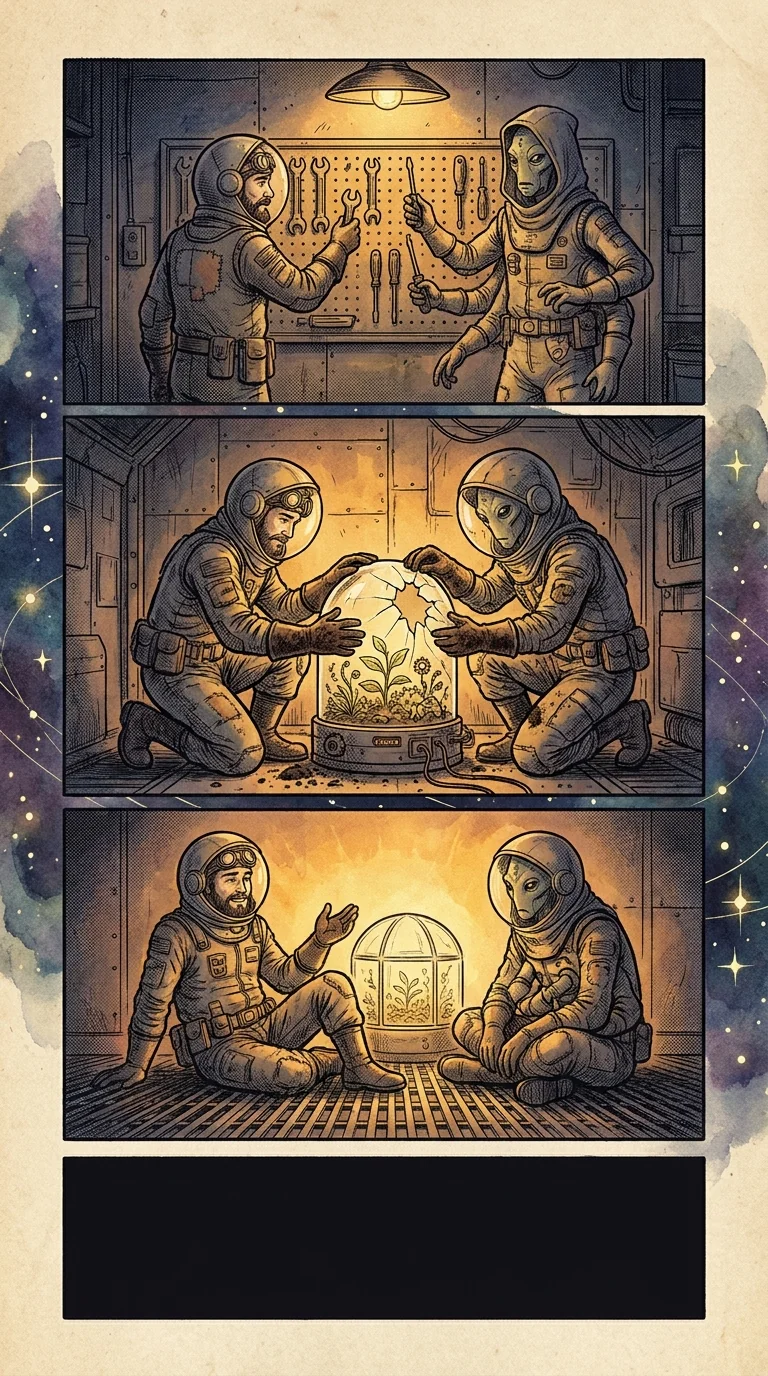
Here's how it works. Step one: pick a task you both need to do — a meal, a repair, a walk. Step two: do it together without forcing the Big Conversation. Step three: let the silence or the small talk do its work. The hard topic will surface on its own schedule, and when it does, you'll both be standing on warmer ground.
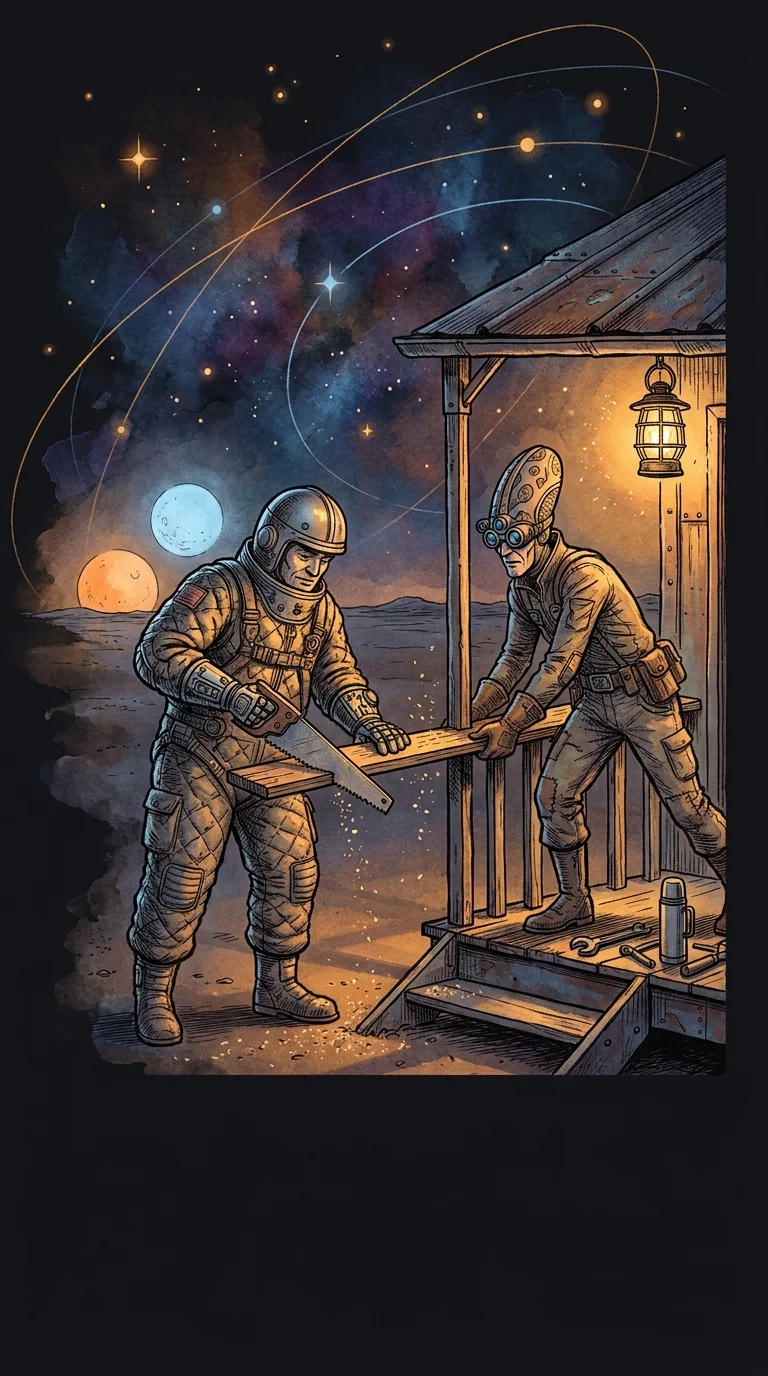
Marcus hadn't spoken to his brother in two years — not since the argument that cracked everything. He didn't call to hash it out. He called and said, "My porch railing is rotting. I could use a hand Saturday." They spent four hours with a saw and a level, talking about wood grain and weather. Somewhere around hour three, the real conversation started on its own. Neither of them forced it. The table did the work.
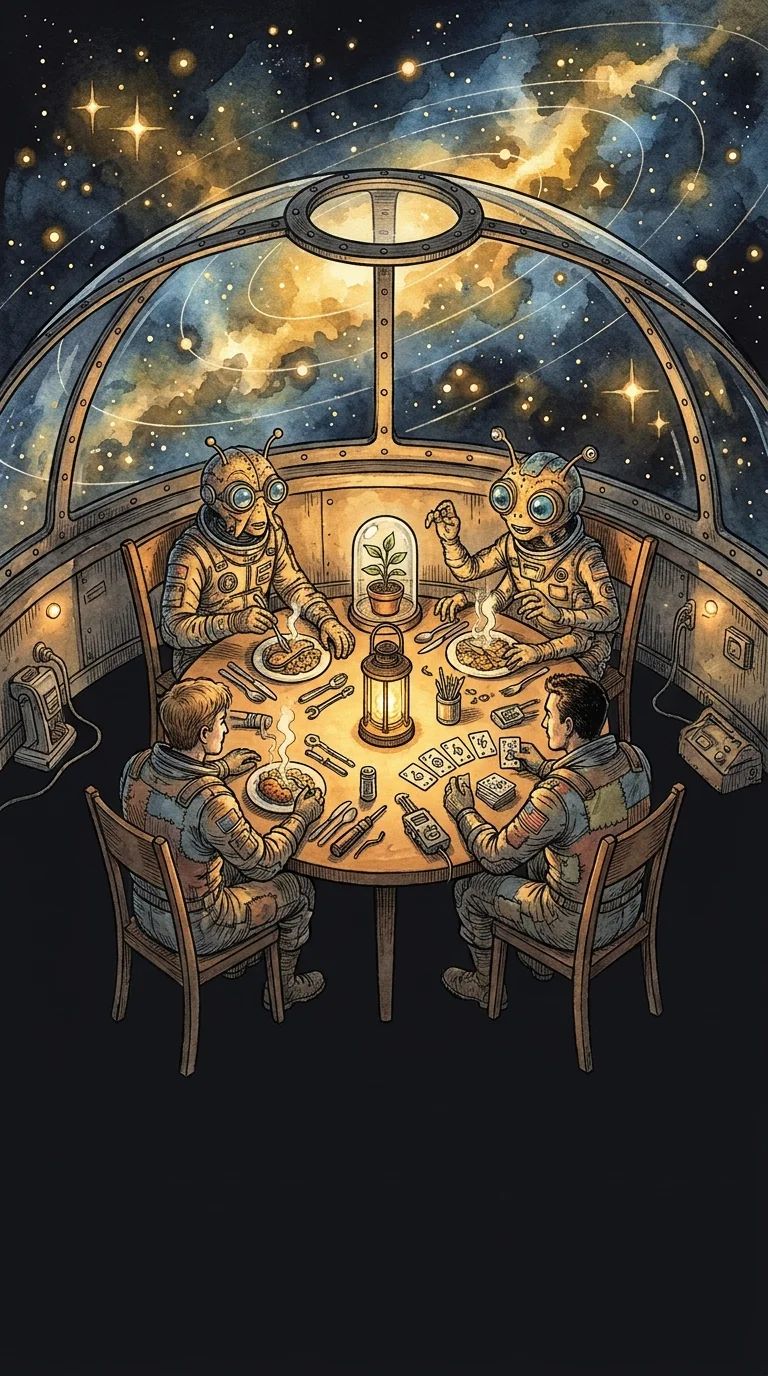
This week, try it. Pick one person where things feel stuck, and invite them into a task instead of a talk. You don't need a script. You don't need a breakthrough. You just need a table — real or metaphorical — and the willingness to stand next to someone long enough for the walls to come down on their own.