Six Things Most People Don't Know
You woke up this morning and your legs worked. You drank clean water. You checked your phone. Quick question: do you know who made any of that possible?
Part 1: Six Things Most People Don't Know — Concept
+5 XP on completion

You woke up this morning and your legs worked. You drank clean water. You checked your phone. Quick question: do you know who made any of that possible?
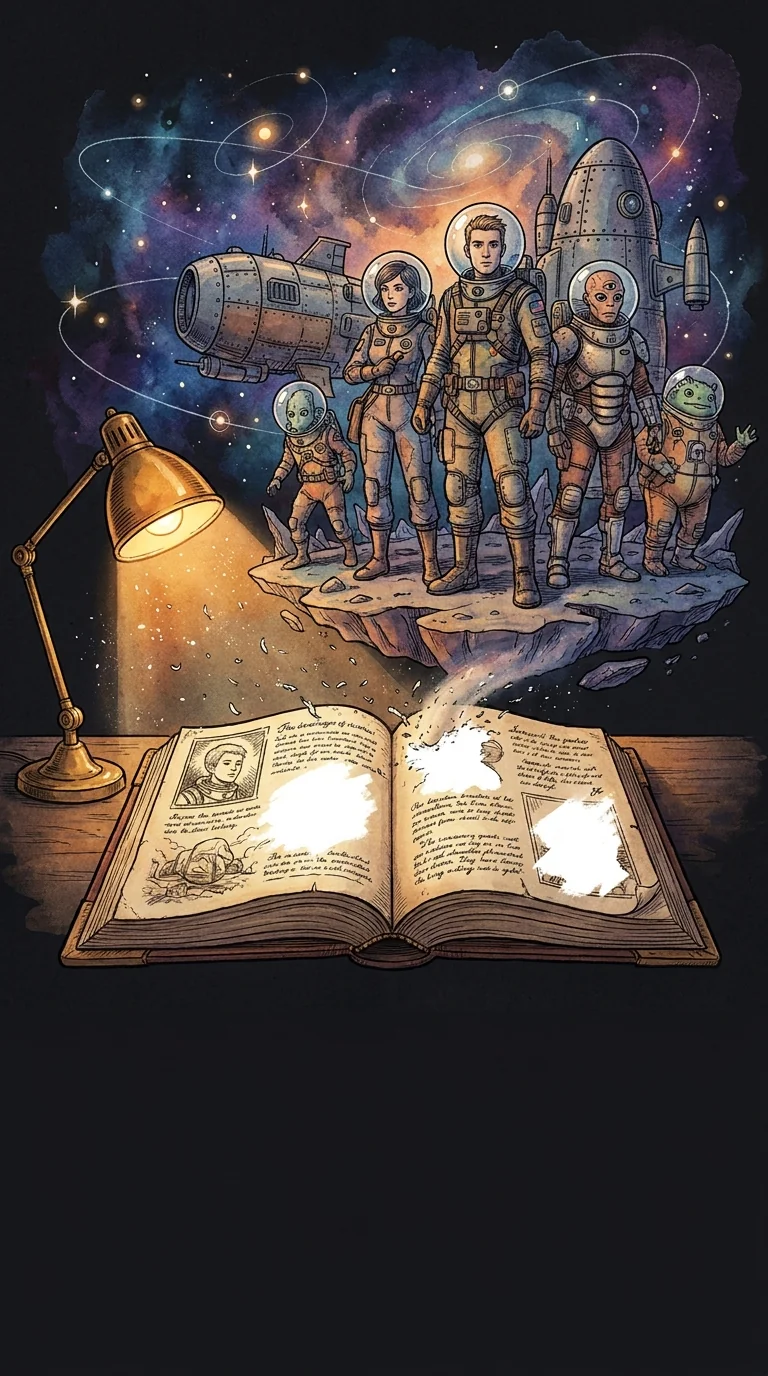
Propaganda works best when it erases contributions. If you can make a group seem like they've given nothing to the world, it's a lot easier to argue they don't belong in it.
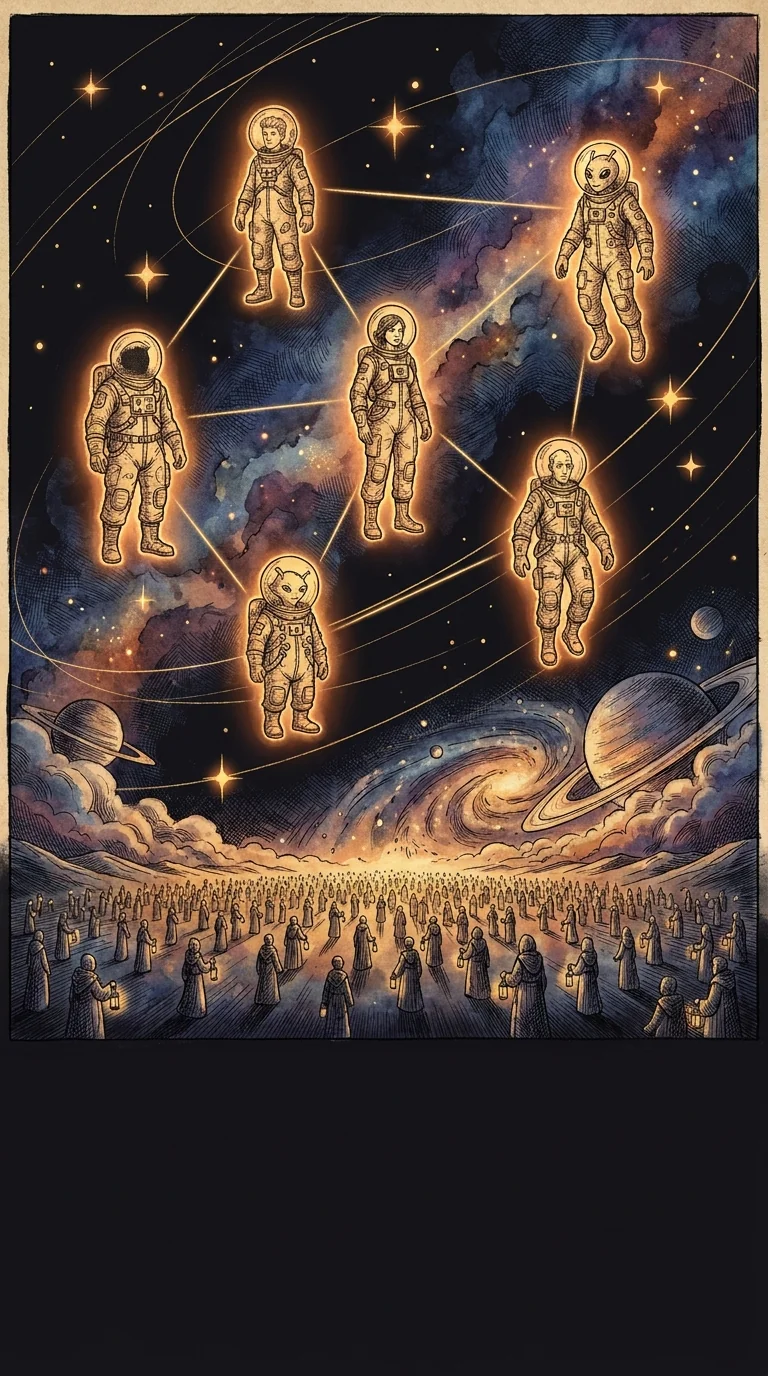
Jonas Salk developed the polio vaccine in 1955 and refused to patent it. He gave it to the world for free. He was Jewish. So were Einstein, Freud, and Rosalind Franklin, whose X-ray work revealed the structure of DNA. These are facts most people never learned, because nobody thought to mention them.
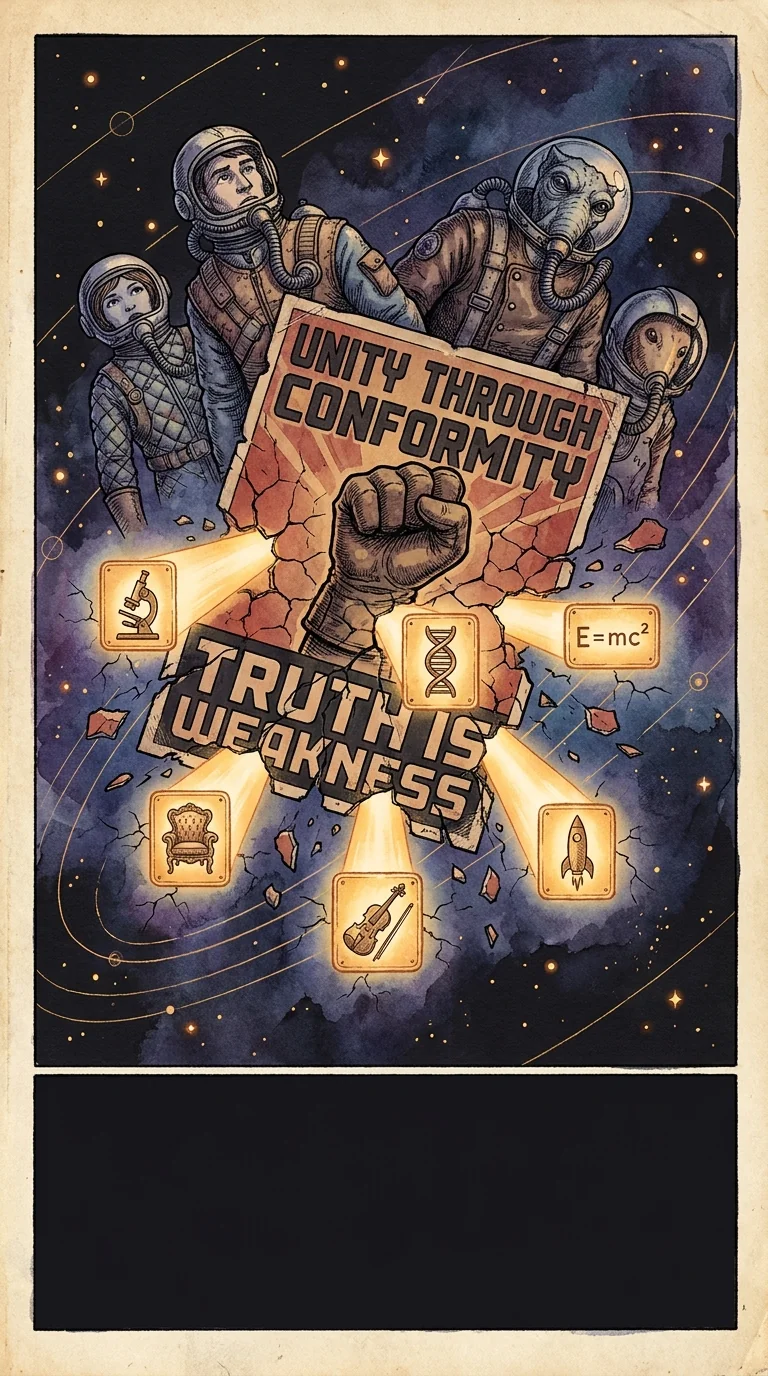
The mechanism is simple: when you learn who actually built the things you depend on, the propaganda story collapses under its own weight. Specific knowledge is the antidote to manufactured ignorance. Names, dates, contributions — these are load-bearing facts.
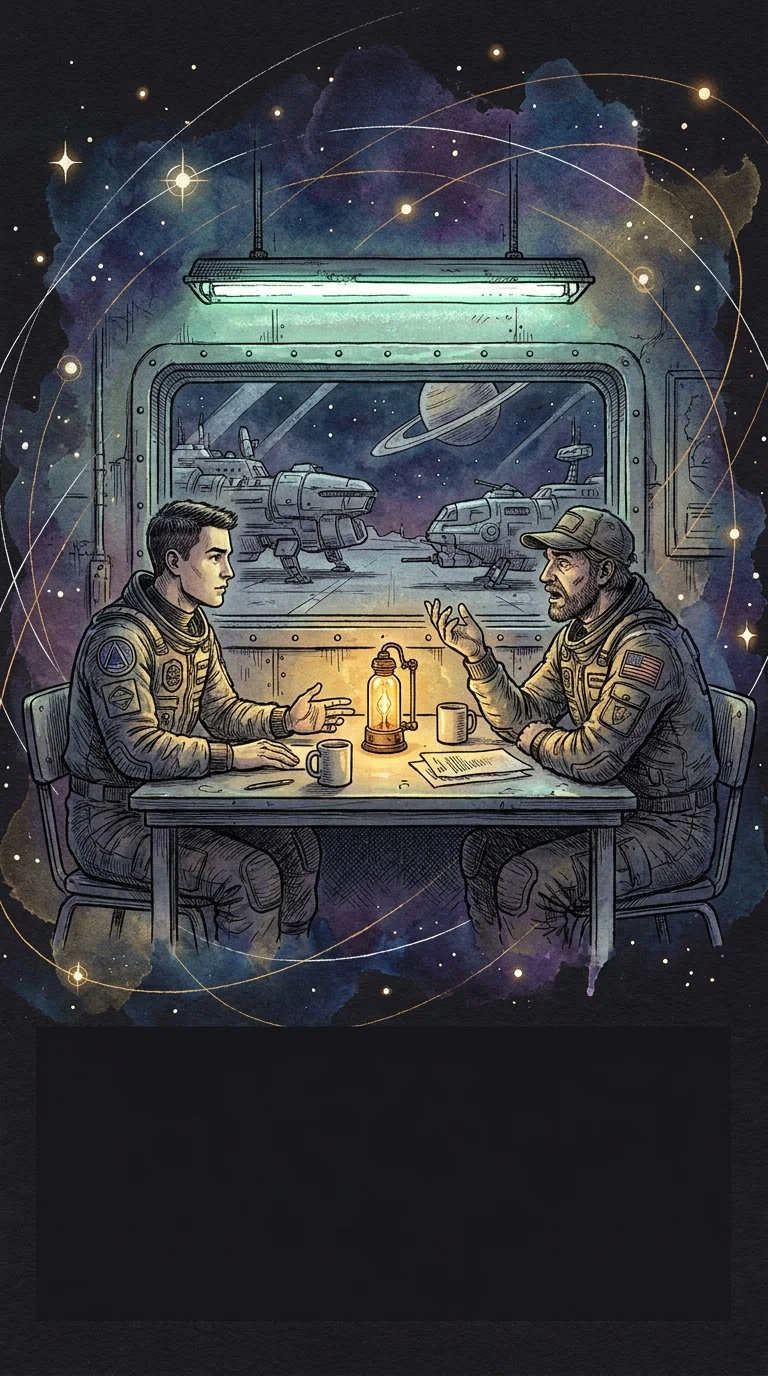
Marcus sat across from a coworker who'd just repeated a tired conspiracy about "certain people" running everything. He didn't argue. He just said, "You know Jonas Salk gave away the polio vaccine for free, right? The guy who saved your grandmother's legs." The room got very quiet. That's what a single fact can do.
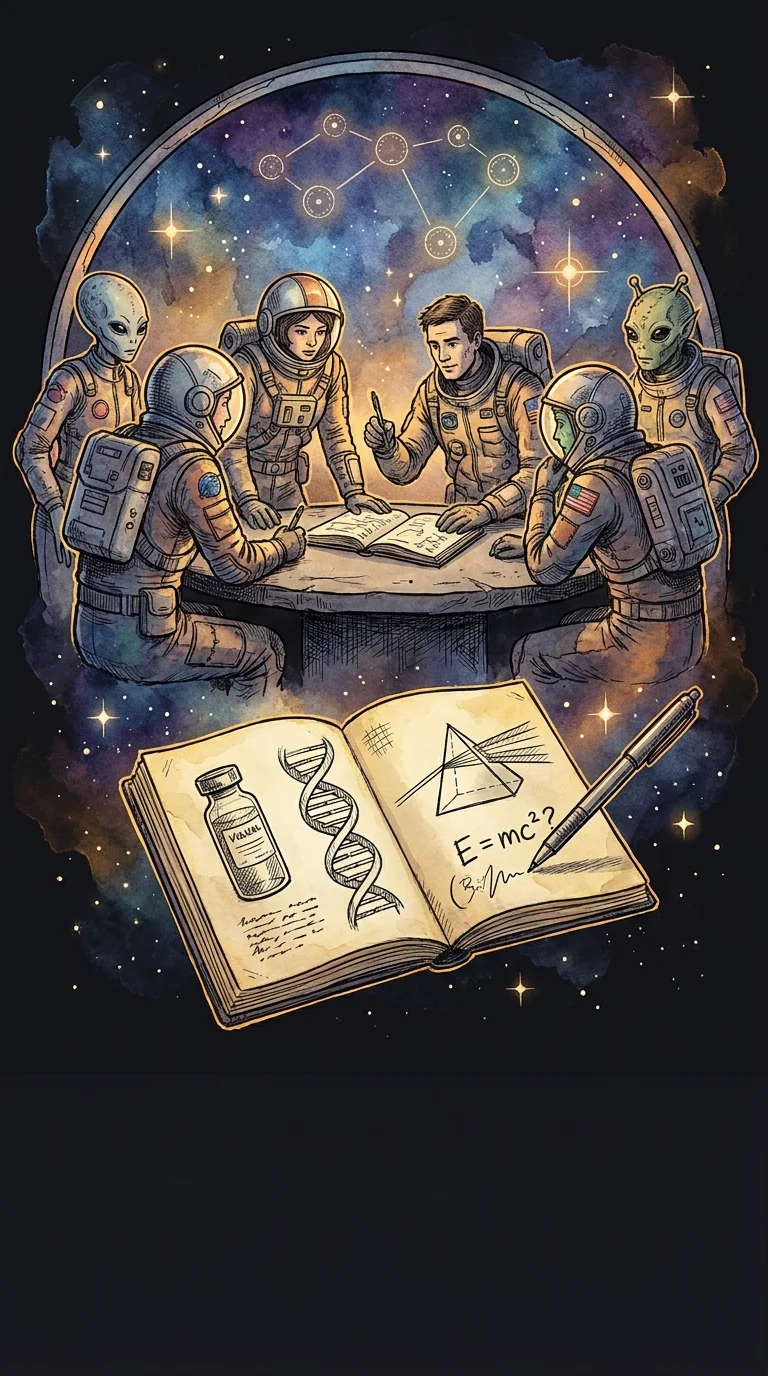
Knowing who built the world you live in isn't trivia — it's armor against the lie that any group contributes nothing. In Part 2, you'll practice building your own fact kit: six specific contributions you can name from memory when the moment calls for it. See you there.
Part 2: Six Things Most People Don't Know — Practice
+10 XP on completion

You benefit from contributions made by people you were taught to distrust. That gap between what you enjoy and what you know is worth closing on purpose.
The default is to consume without curiosity — to use the vaccine, quote the theory, rely on the science, and never once ask who made it possible. That blankness isn't neutral. It's where propaganda plants its seeds.
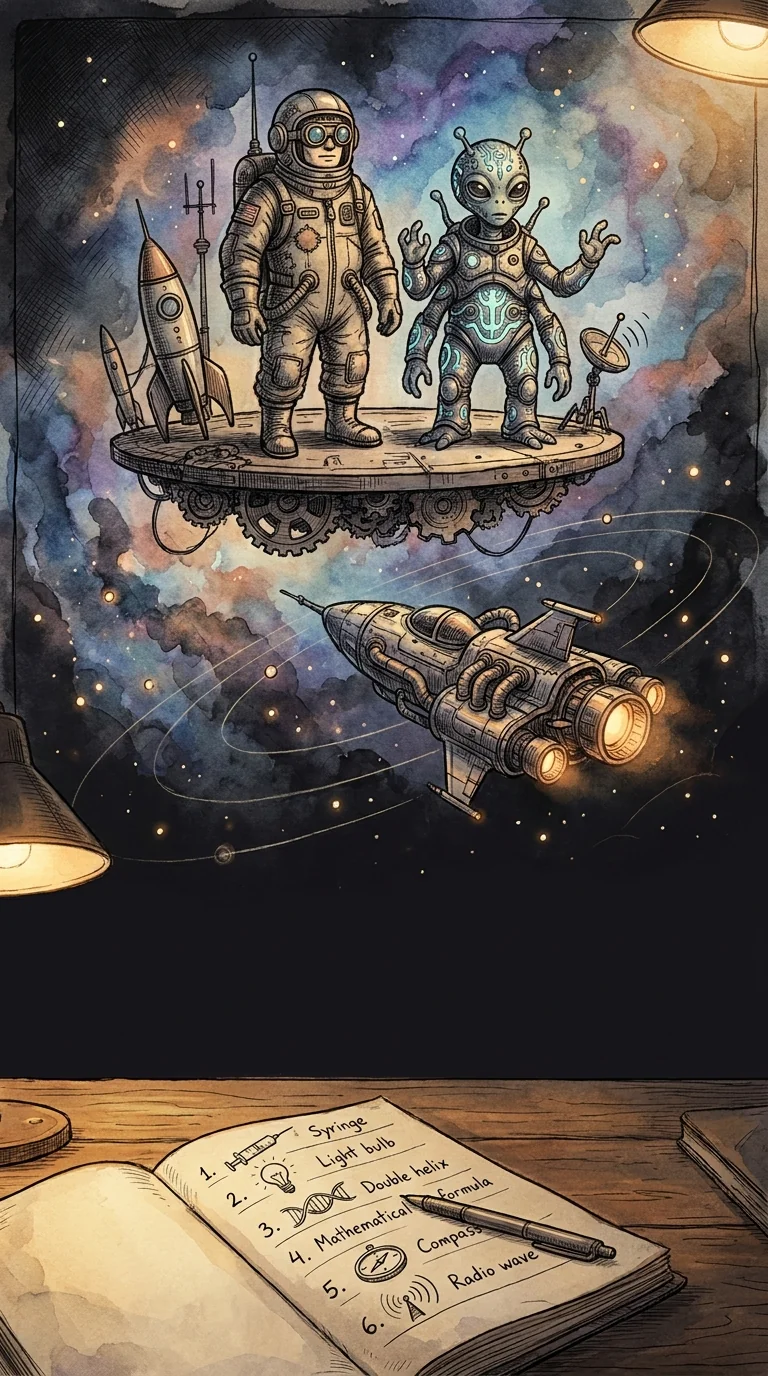
The technique is called the Debt Inventory. Pick any six things you use, trust, or take for granted — then trace each one back to the actual human who made it real. Learn their name. Learn their story. Learn who they were.
Here's how it works. Write down the six items. Research the person behind each one — not just their achievement, but their heritage, their obstacles, who tried to erase them. Sit with what you find. Gratitude without knowledge is just a reflex. This is the version with teeth.

Marcus started his list on a Tuesday. Insulin. Relativity. The polio vaccine. By the third entry he'd stopped writing and started reading — really reading — about Rosalind Franklin, about what was taken from her, about who she actually was. He sat at his kitchen table for a long time after that.
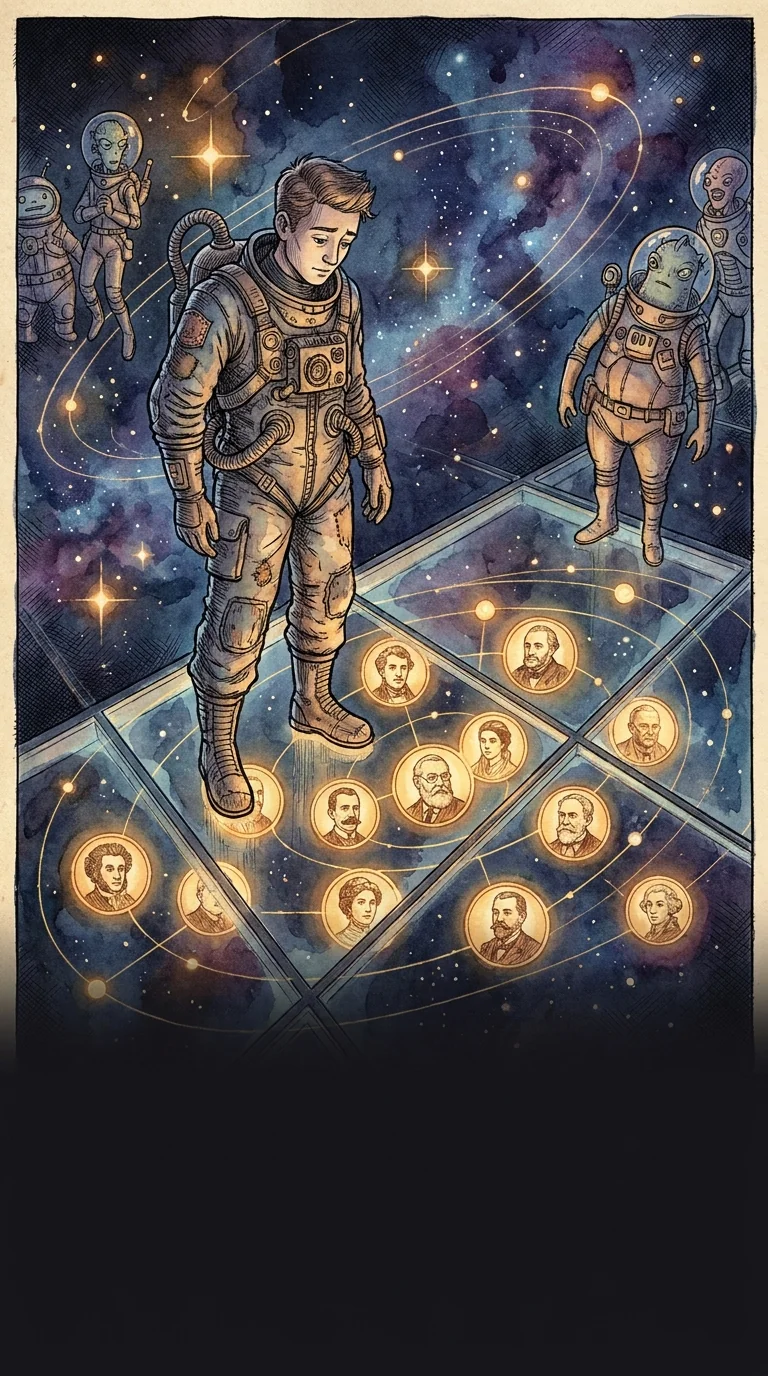
When you know whose work holds up the floor you're standing on, it gets harder to let someone talk you into hating them. That's not a side effect of the exercise. That's the whole point.