The Overlap Nobody Advertises
Ask someone what Judaism, Christianity, and Islam disagree about and they'll talk for an hour. Ask what they agree on and you'll get a shrug. Funny how that works.
Part 1: The Overlap Nobody Advertises — Concept
+5 XP on completion
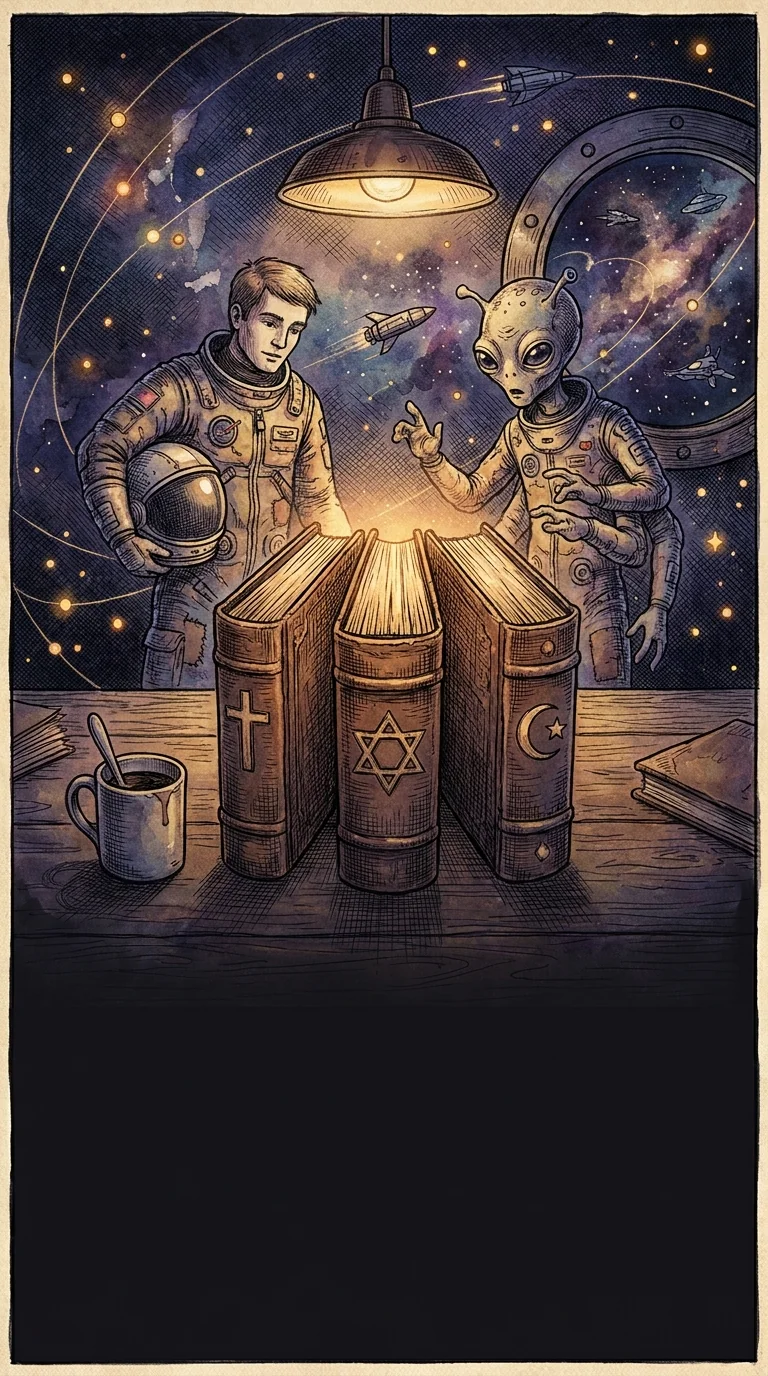
Ask someone what Judaism, Christianity, and Islam disagree about and they'll talk for an hour. Ask what they agree on and you'll get a shrug. Funny how that works.
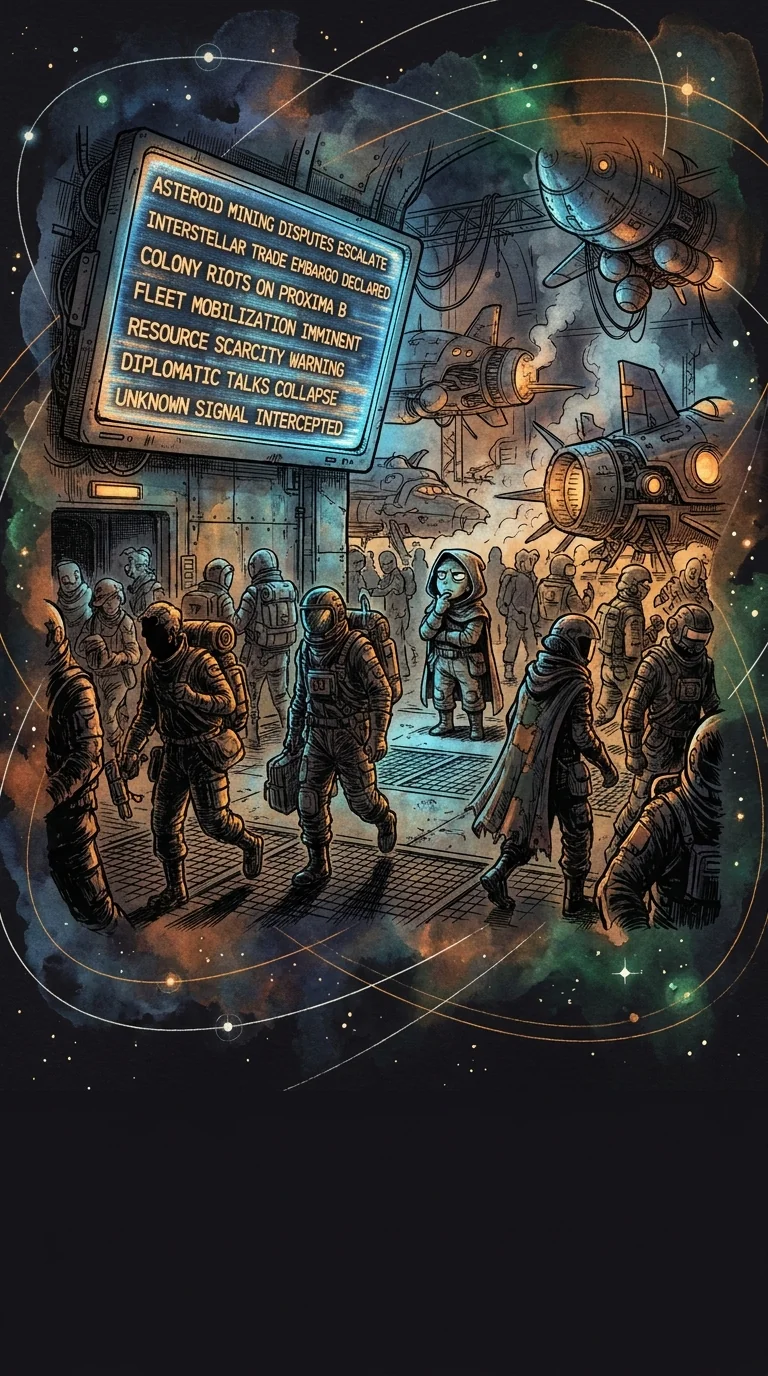
The disagreement gets airtime because disagreement sells. Nobody's algorithm ever boosted a headline that said "Three Major Faiths Quietly Agree on the Most Important Thing."
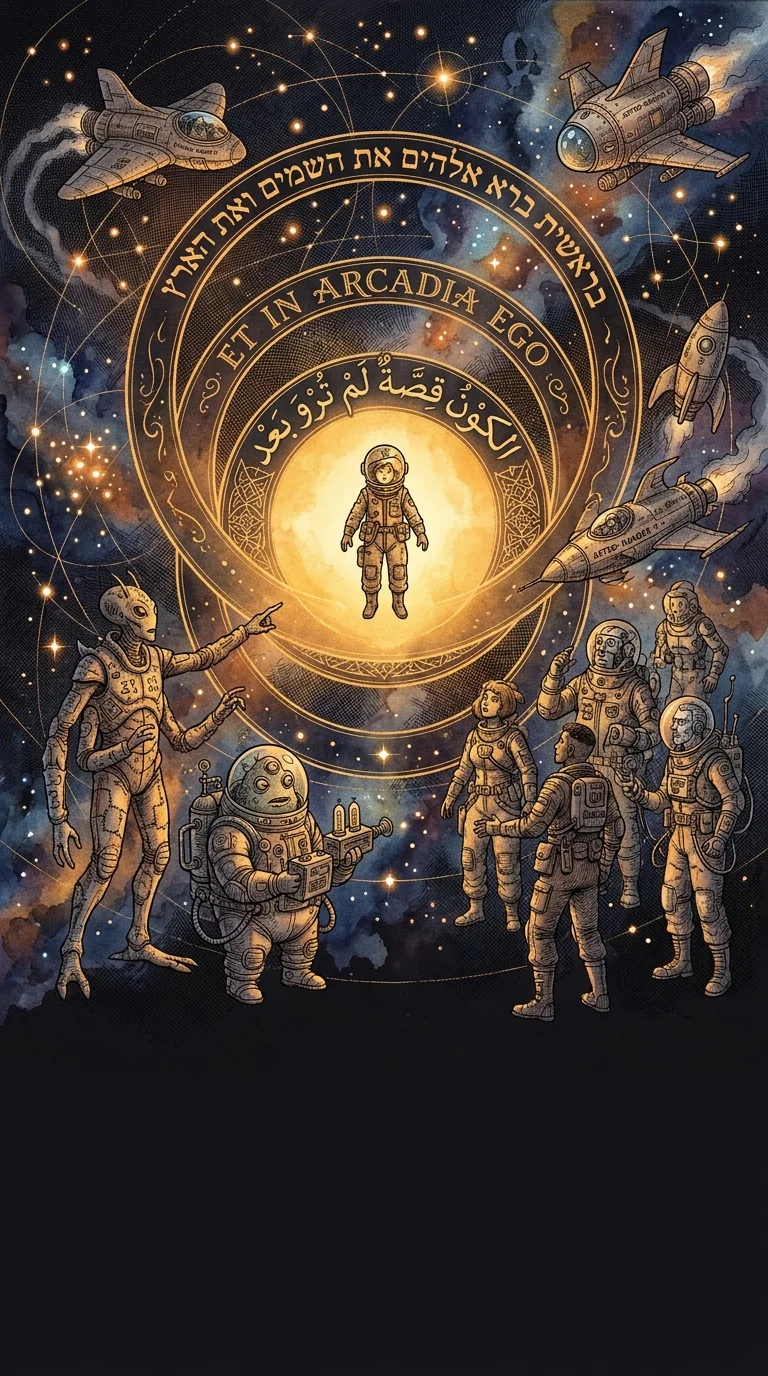
Jewish tradition teaches that every human is created b'tzelem Elohim — in the image of God. Christianity carries the same idea forward. Islam holds that every soul possesses inherent, God-given dignity. The overlap is enormous. It's just not the part anyone's selling tickets to.
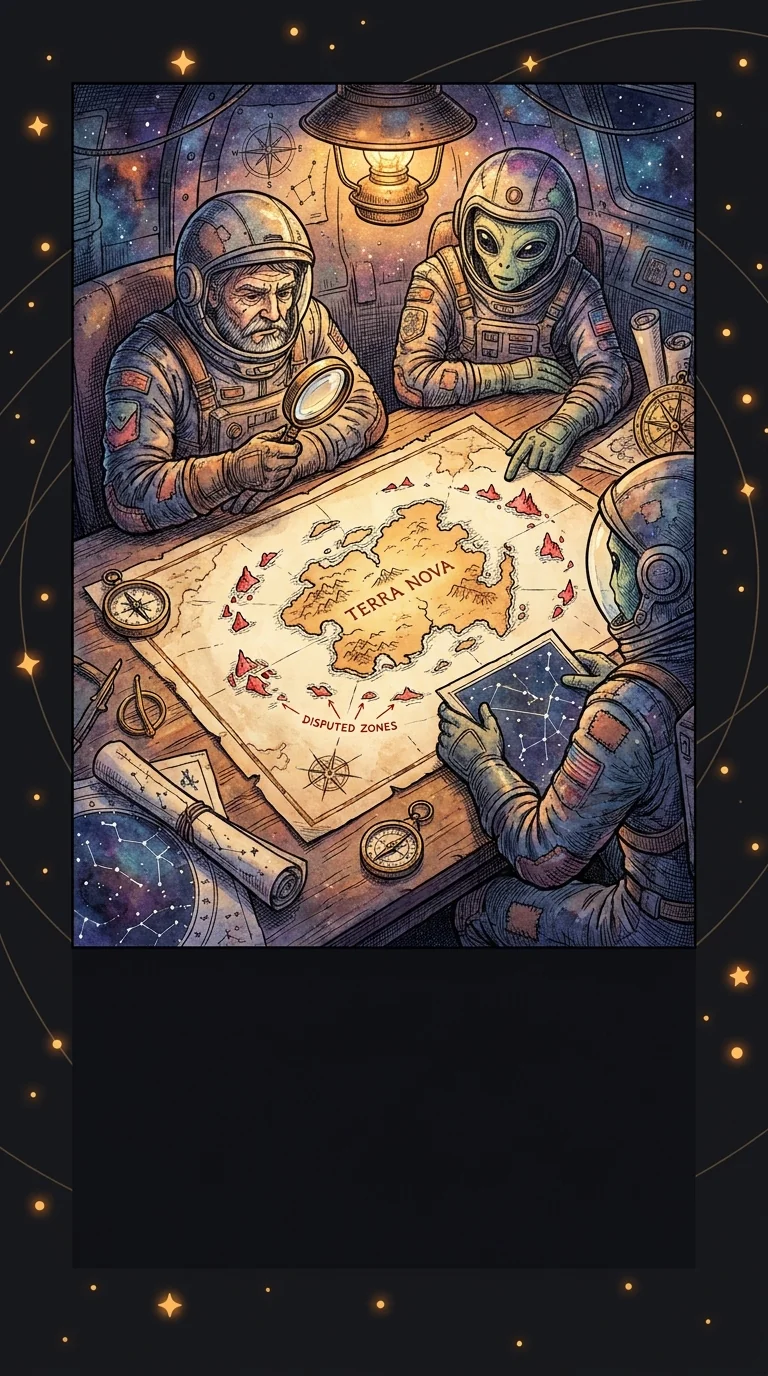
Here's the mechanism: when you only study the margins of disagreement, you start believing the margins are the whole map. But the actual territory — the shared conviction that every person carries inherent worth — is vast. You just have to look at the territory instead of the argument about the border.
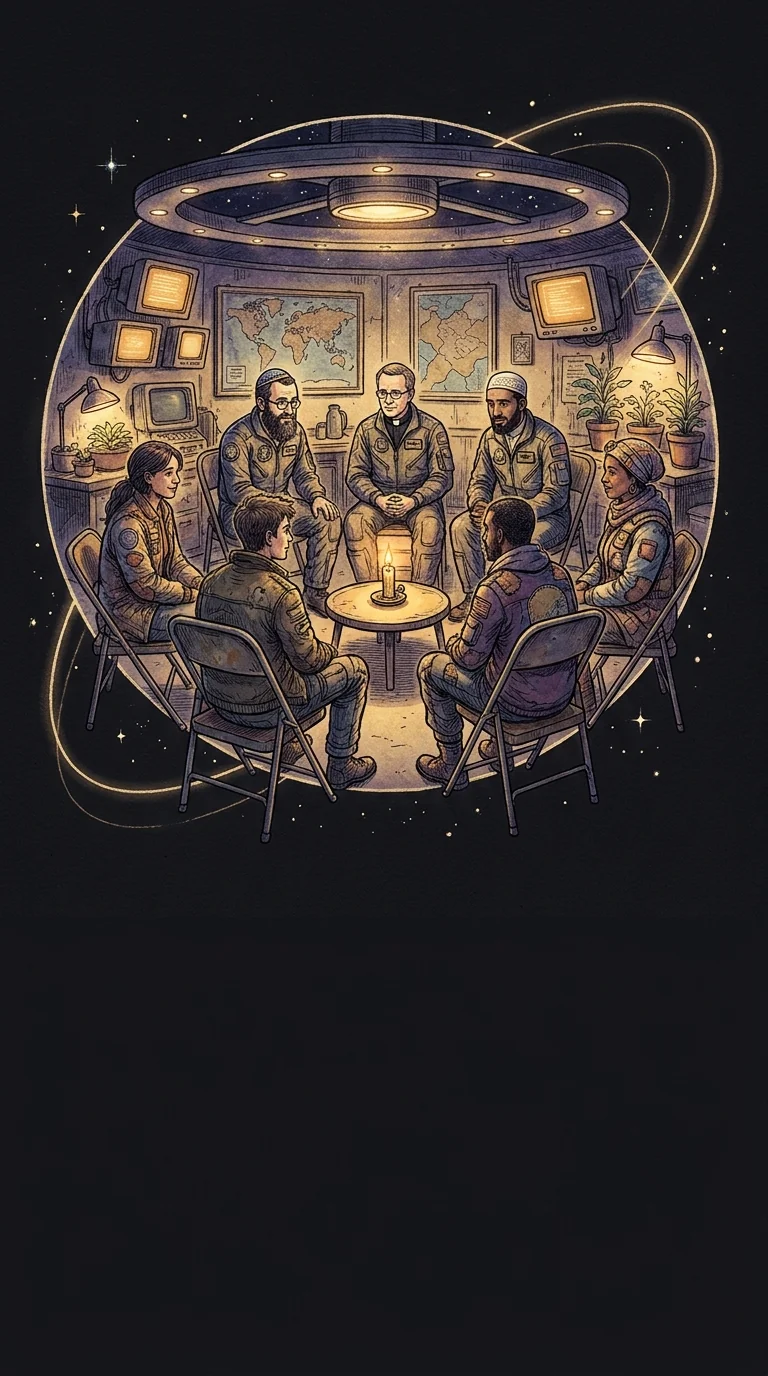
Marcus grew up hearing that people from other faiths were basically opponents with different jerseys. Then he sat in a community grief circle after a neighbor's death — a rabbi, a pastor, and an imam all in the same small room. Every single one of them said the same thing first: this person mattered because they were human. Not because of their label.
The overlap is real, it's massive, and it's been there the whole time. The question is whether you look at it or keep staring at the argument. In Part 2, you'll practice mapping shared values across traditions yourself — finding the overlap with your own hands. See you there.
Part 2: The Overlap Nobody Advertises — Practice
+10 XP on completion
Three ancient traditions agree that every person carries inherent dignity. That overlap is enormous — and almost nobody builds on it. Today you start building on it.
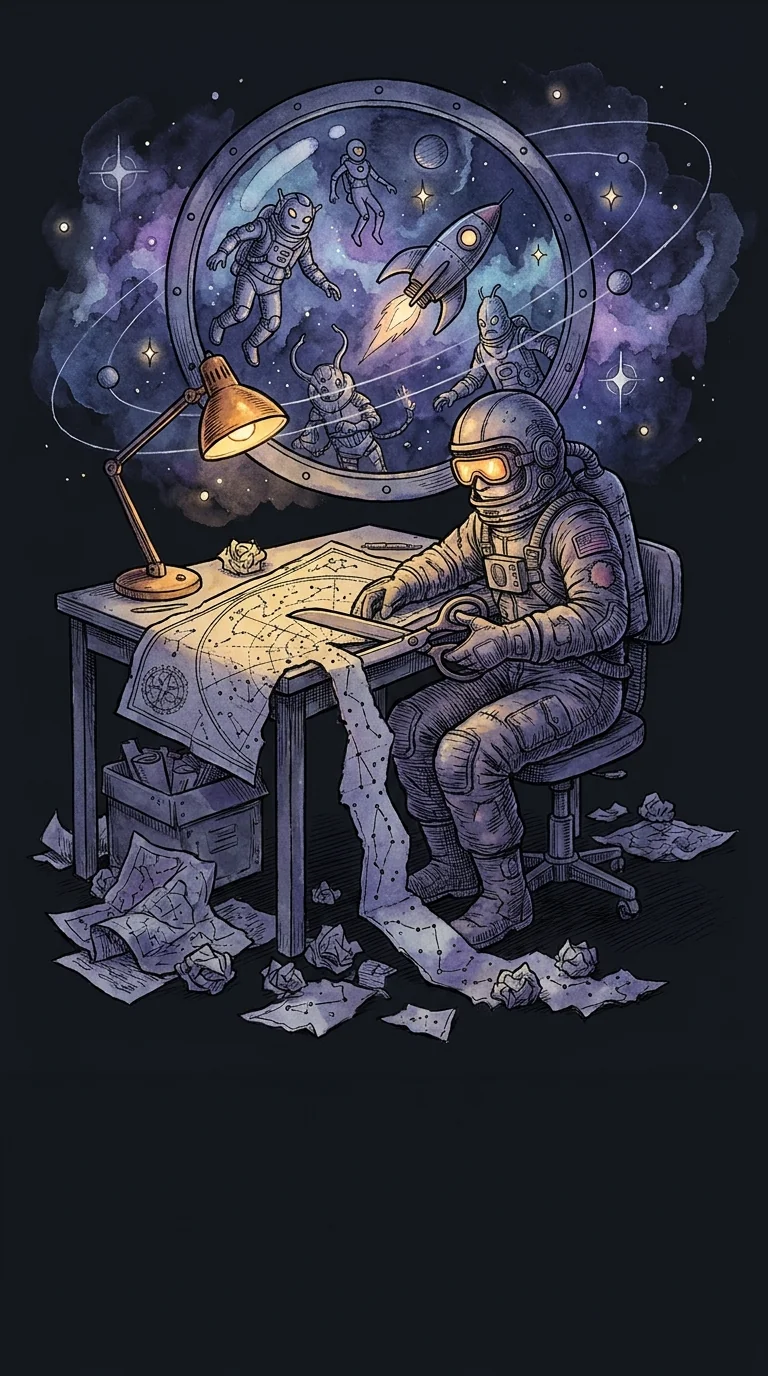
The usual move is to scan someone else's tradition for the parts you disagree with, then build your whole opinion around those differences. It's fast, it feels smart, and it leaves ninety percent of the picture on the cutting-room floor.
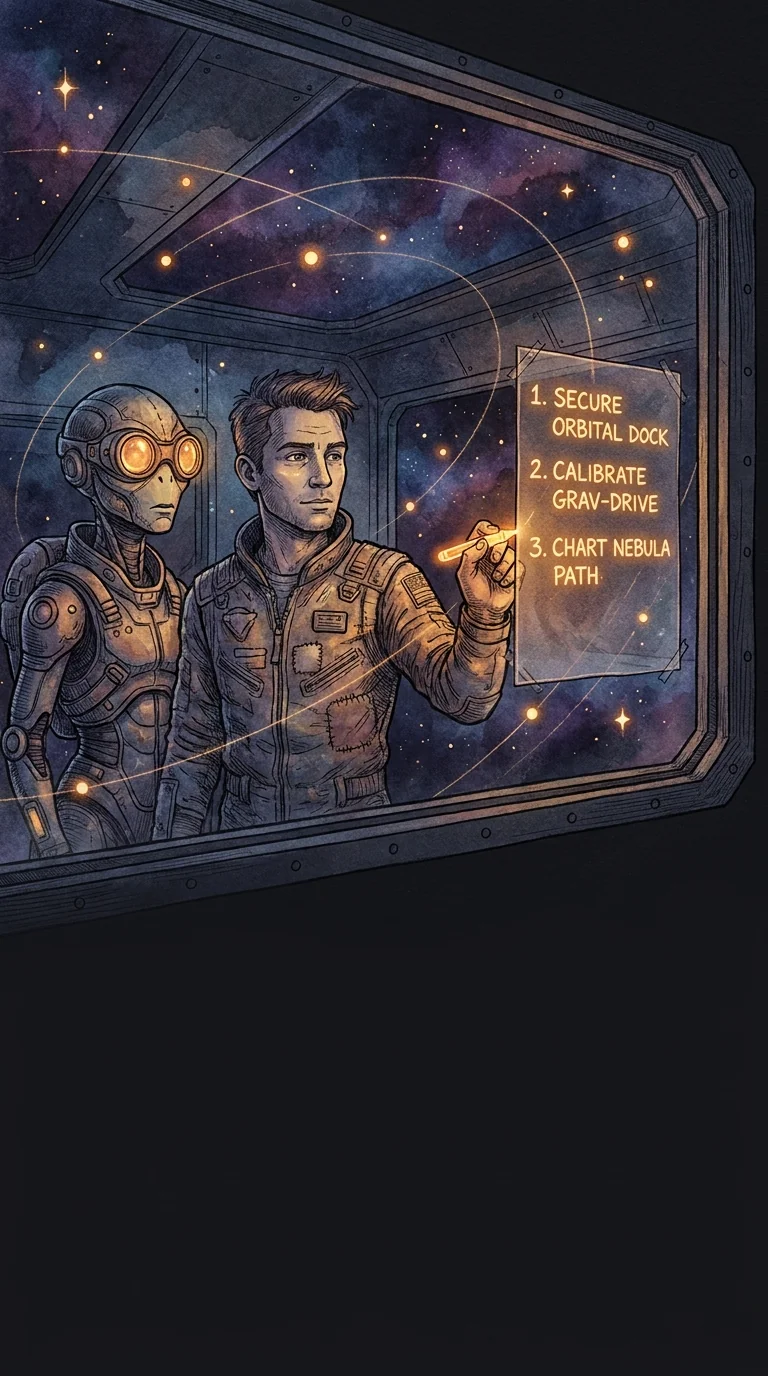
The technique is called the Overlap Inventory. Instead of leading with what divides you from someone, you write down the values you actually share — and you keep the list visible when the argument starts.
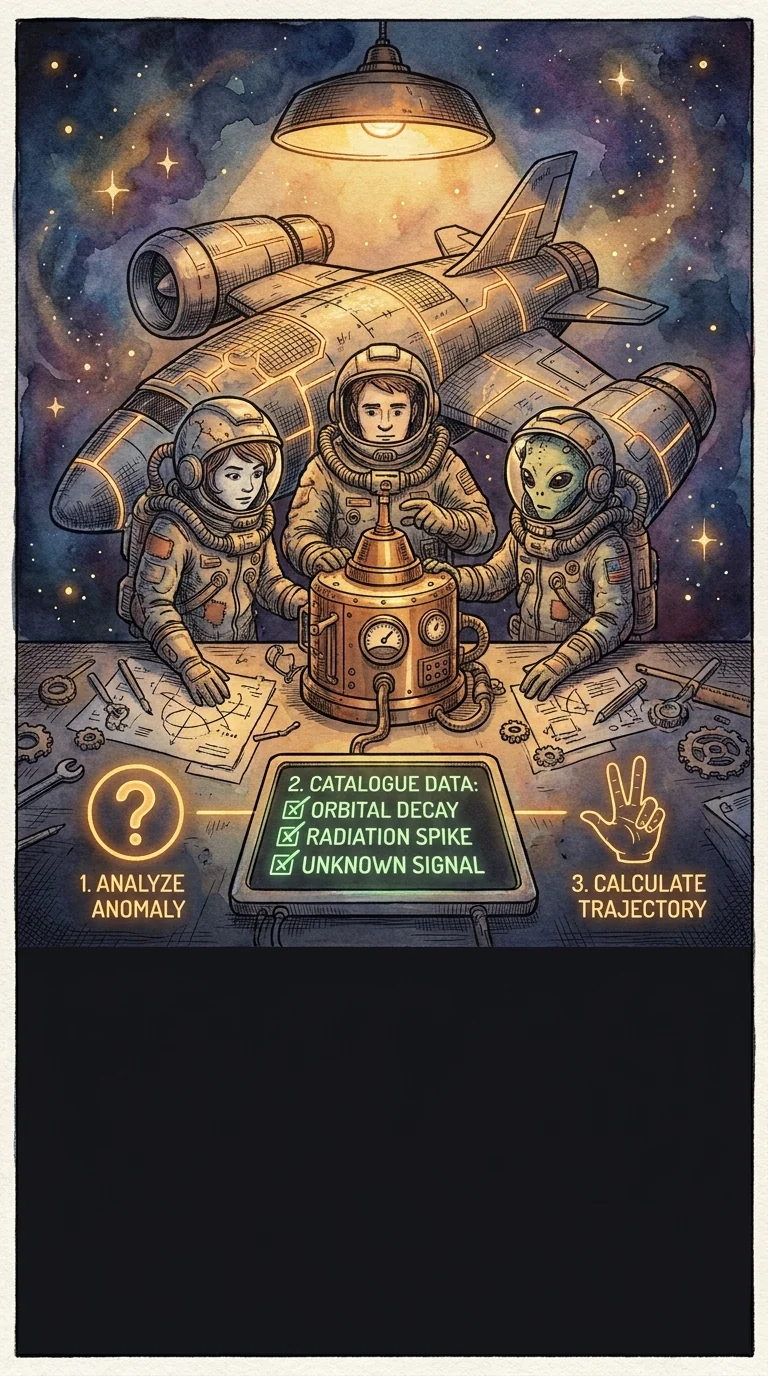
Step one: pick a tradition or worldview you think you disagree with. Step two: spend ten honest minutes listing the values it shares with yours — dignity, compassion, justice, mercy, community. Step three: count the list. If it's shorter than three items, you haven't looked hard enough.
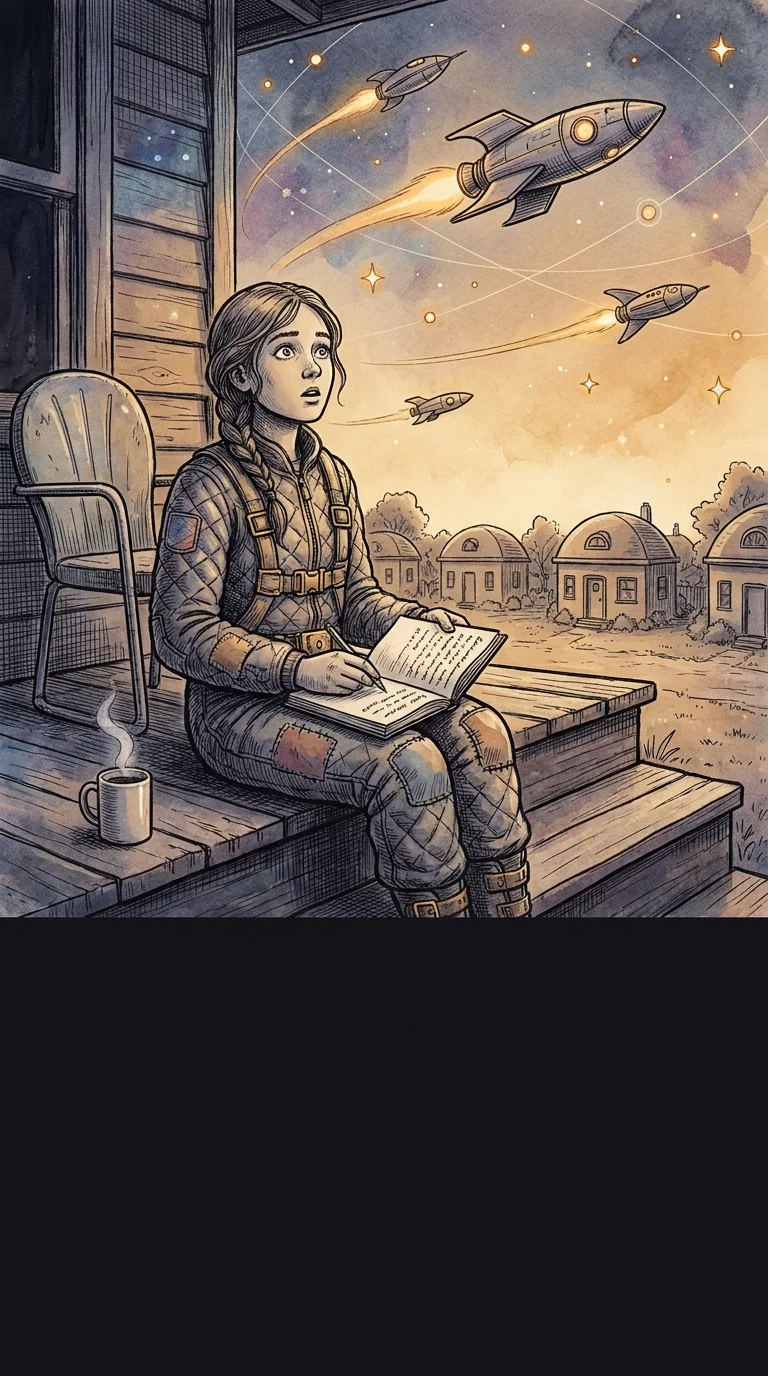
Sarah grew up certain her neighbor's faith was nothing like hers. One afternoon she sat down and listed what they actually both believed about how strangers should be treated. She filled a whole page. The argument she'd been rehearsing for weeks quietly ran out of fuel.
You now have a tool for finding common ground that most people never bother to map. That ground was always there. Knowing where it is changes what you're able to build next.