People Who Chose the Harder Thing
When someone kills your child, every cell in your body has one vote, and it's unanimous: hate them. Hate everyone who looks like them. Hate forever.
Part 1: People Who Chose the Harder Thing — Concept
+5 XP on completion
When someone kills your child, every cell in your body has one vote, and it's unanimous: hate them. Hate everyone who looks like them. Hate forever.
Blame is the easiest orbit to fall into after loss — it's gravitationally perfect, emotionally self-sustaining, and everyone around you will help you stay in it. Nobody has ever been criticized for hating the people who destroyed their family.
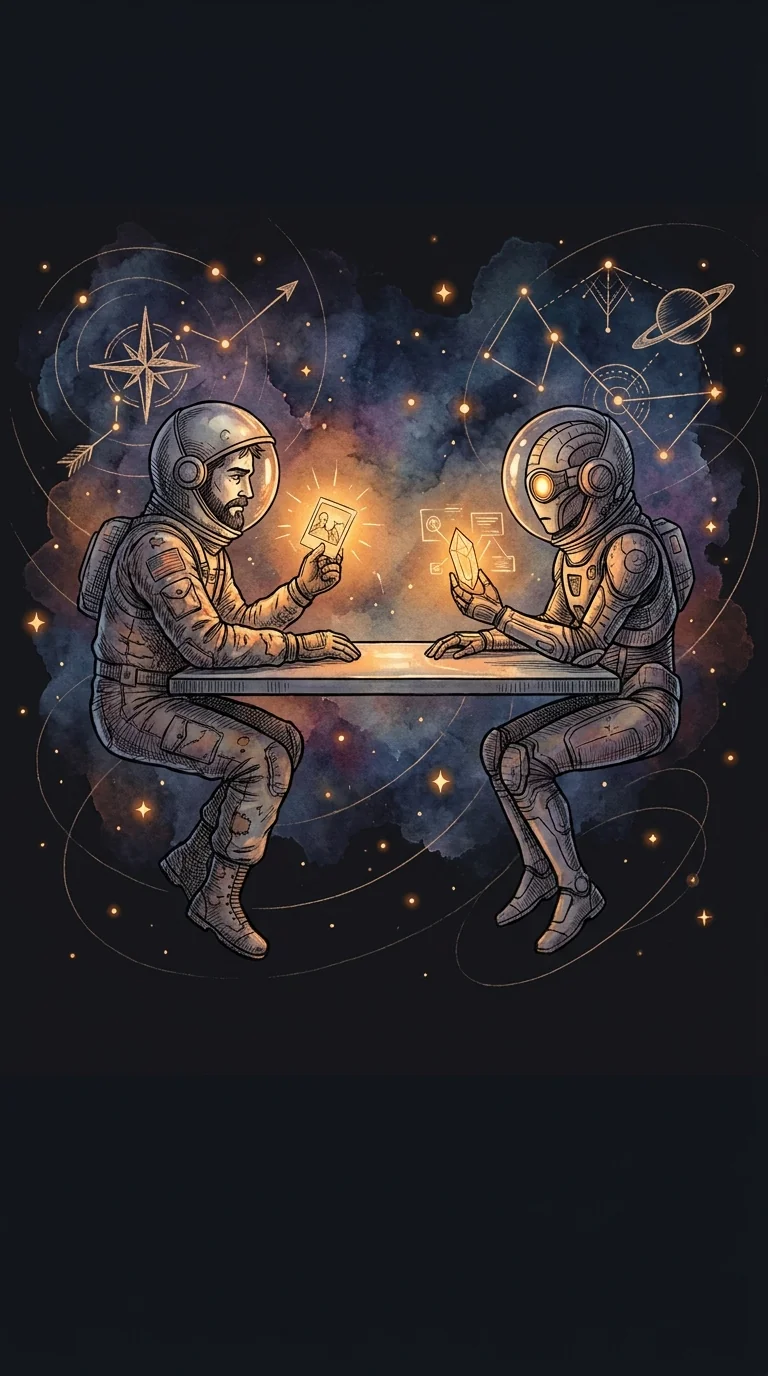
In 2015, Israeli and Palestinian families who had each buried their own children sat down together — not to forgive, not to forget, but to look across the table at another parent whose world had also ended. Groups like the Parents Circle and Combatants for Peace were built on one radical premise: shared grief could be stronger than inherited enemy lines.

The mechanism isn't magic. It's contact — real, sustained, face-to-face contact between people who have every reason to refuse it. Research calls it the contact hypothesis: when you meet a specific human being from the group you've been taught to hate, the category starts to crack. Not because you're persuaded. Because a living person is harder to reduce than a label.
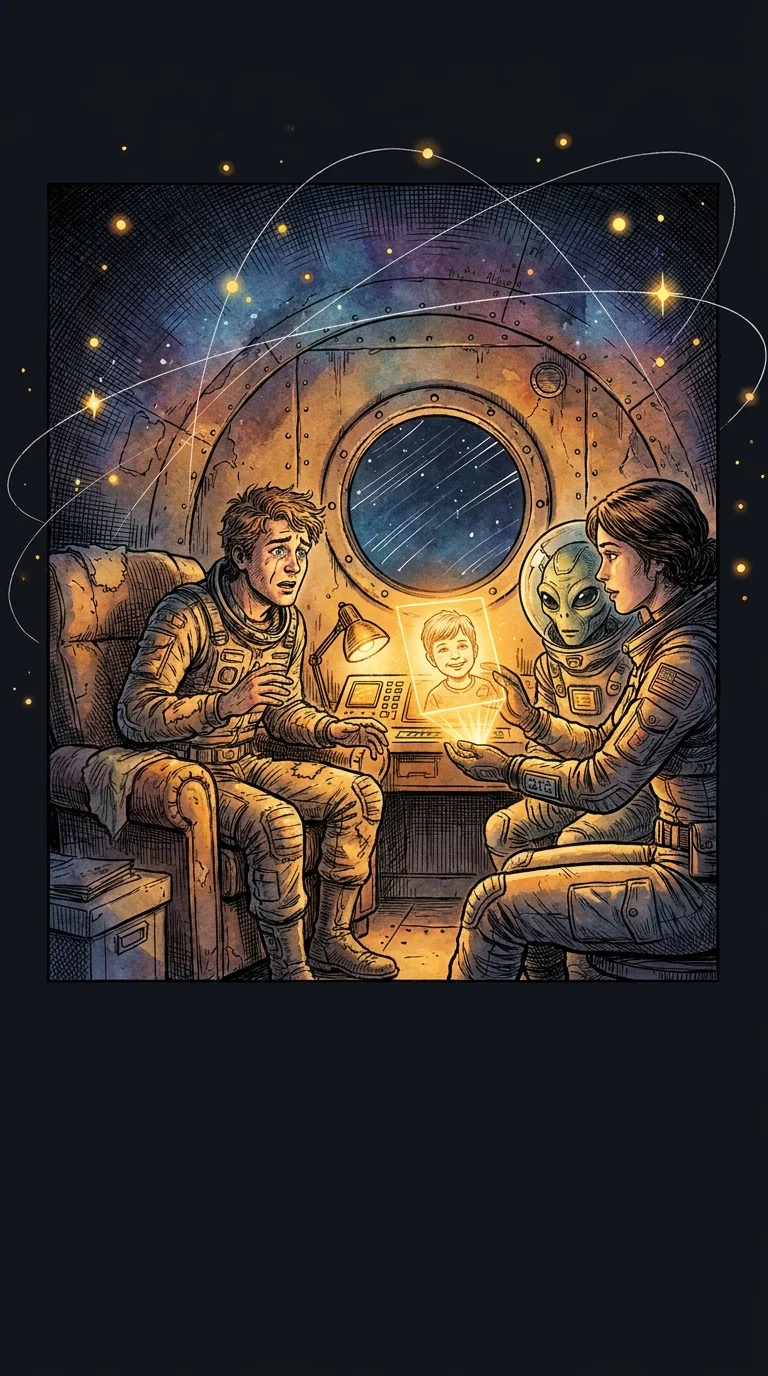
Marcus spent two years in an online group that sorted the world into enemies and allies. When he finally sat across from someone his feed had taught him to despise — a quiet woman named Amira who showed him a photo of her daughter — the algorithm's neat categories didn't survive the encounter. A real face dismantled what a thousand threads had built.
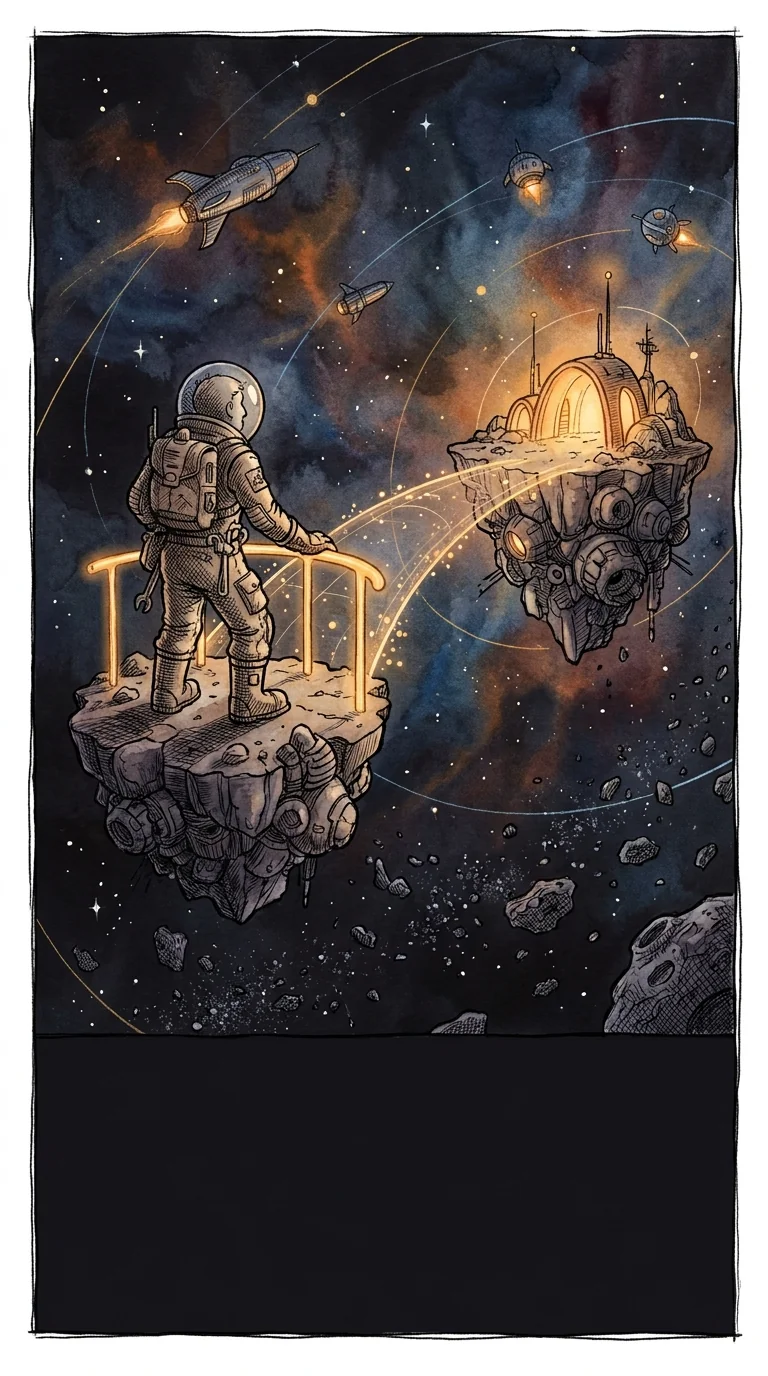
Choosing connection when blame is easier isn't sainthood — it's a skill, and it has structure. In Part 2, you'll practice building a contact bridge: a concrete script for reaching across a divide you've been maintaining. See you there.
Part 2: People Who Chose the Harder Thing — Practice
+10 XP on completion
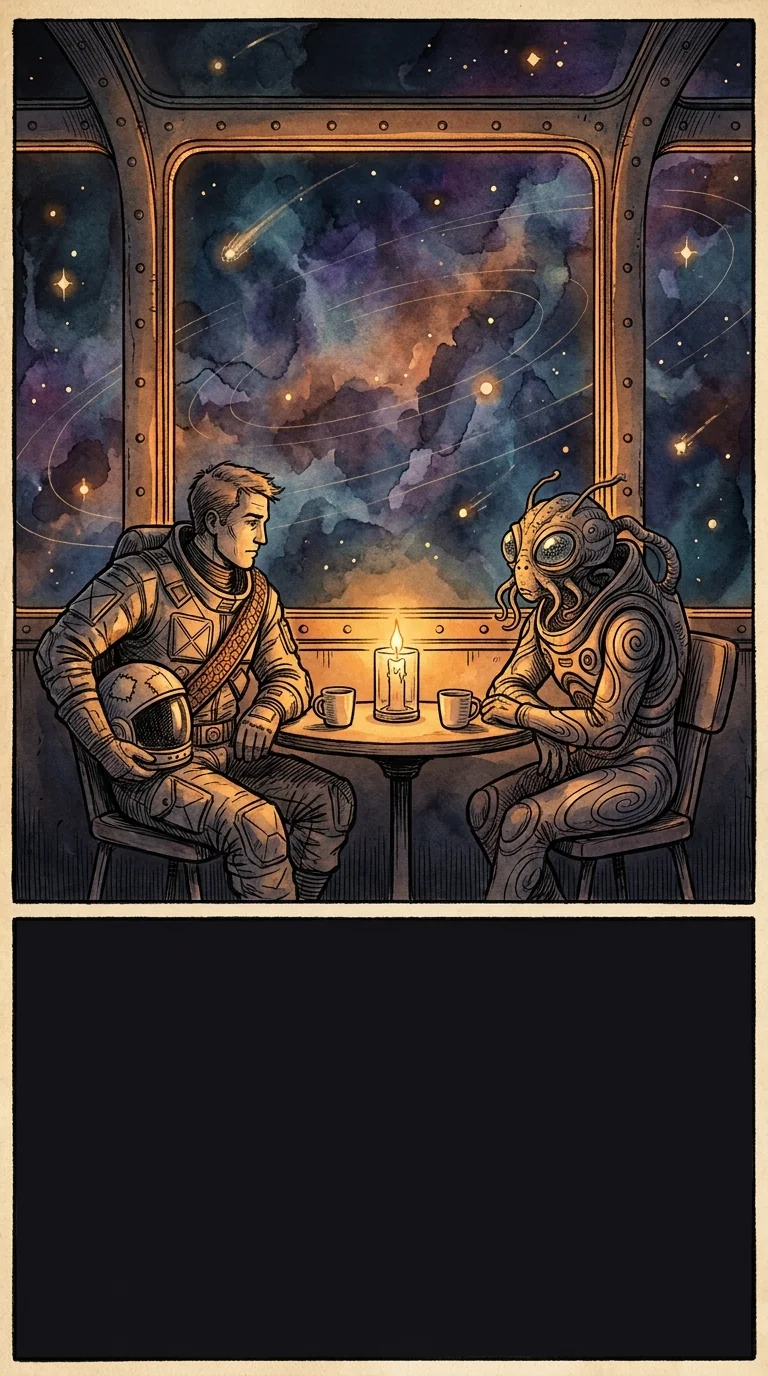
Bereaved families on opposite sides of one of the world's deepest conflicts chose to meet each other's grief face to face. Today you practice a version of that choice — smaller in scale, identical in structure.
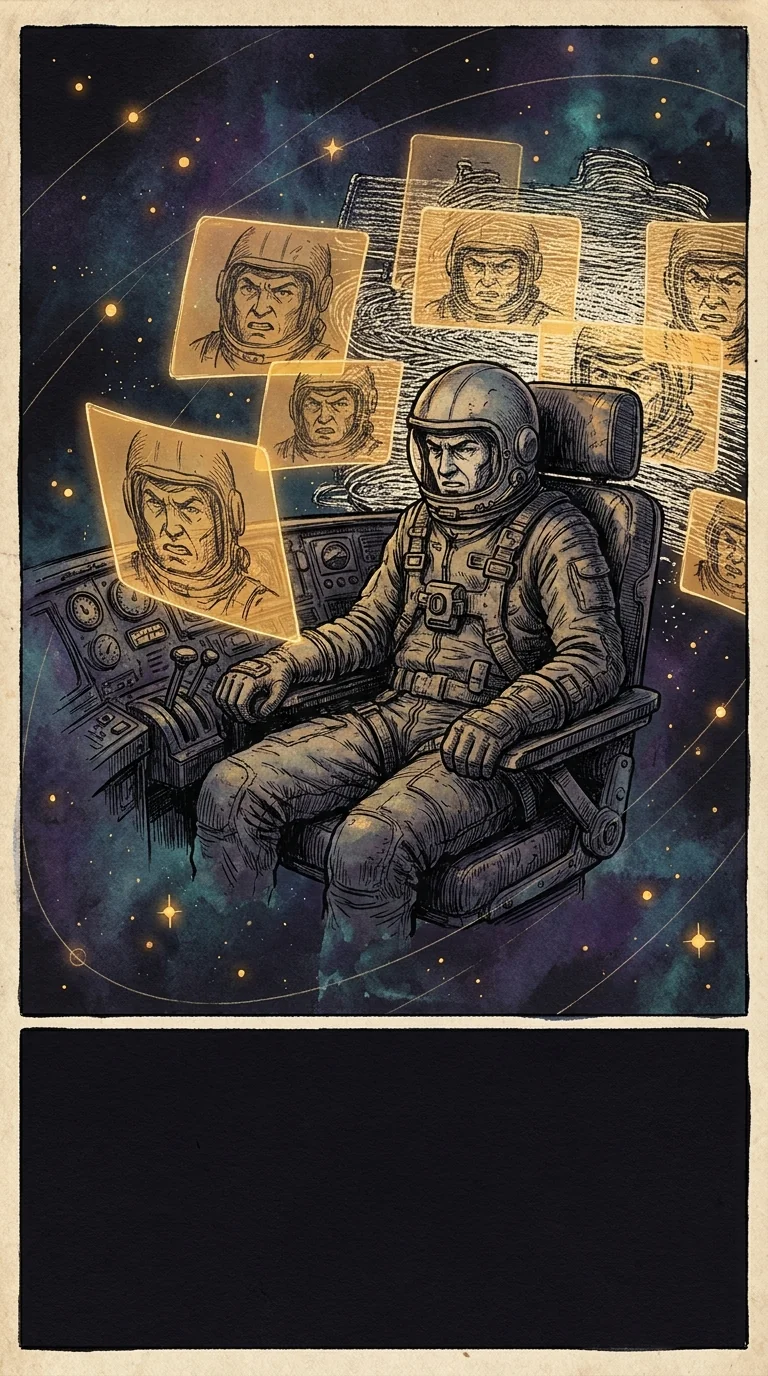
Your brain's default after conflict is to rehearse your own side louder. You replay your argument, sharpen your lines, and call it processing — but all you've done is thicken the wall.
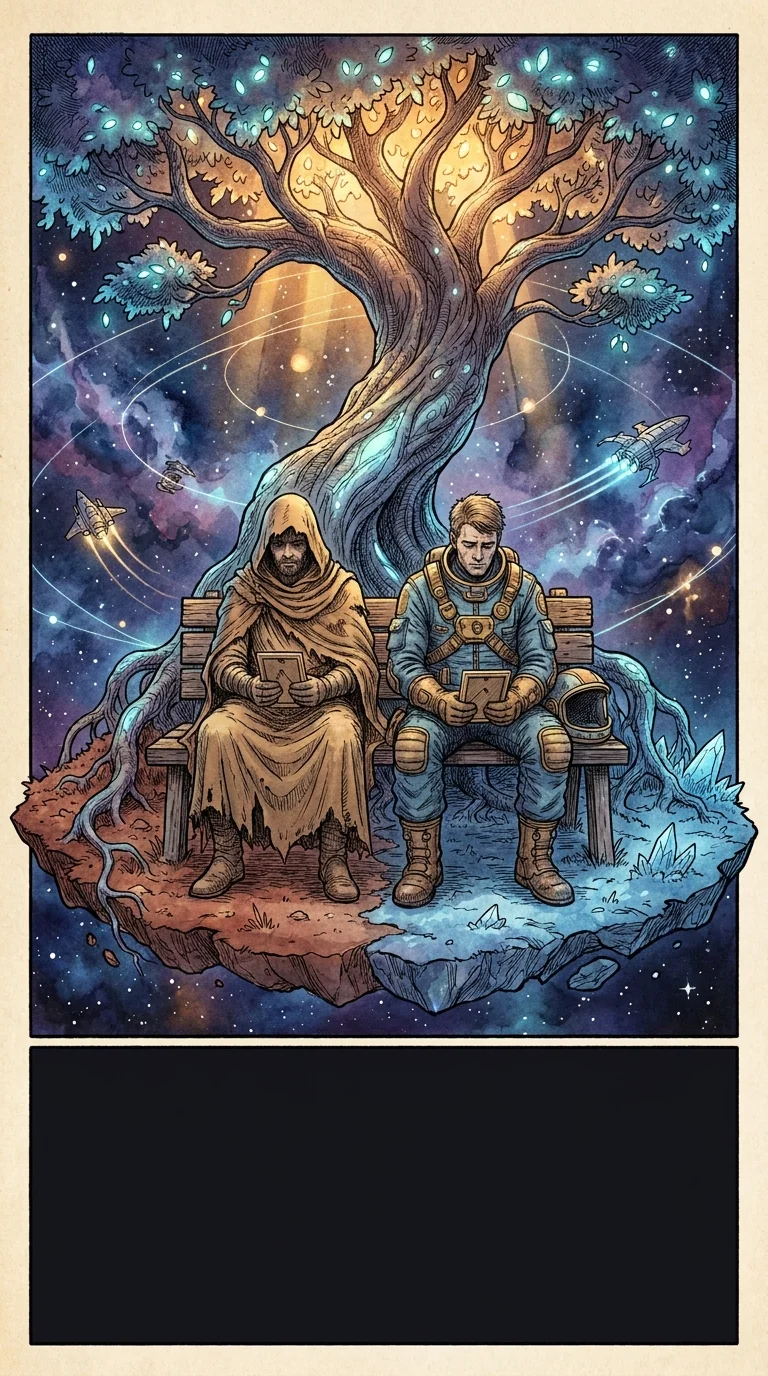
The families in the Parents Circle discovered something counterintuitive: the turning point wasn't agreeing. It was describing what they had lost — and listening to the other side do the same. Shared grief broke what shared arguments never could.
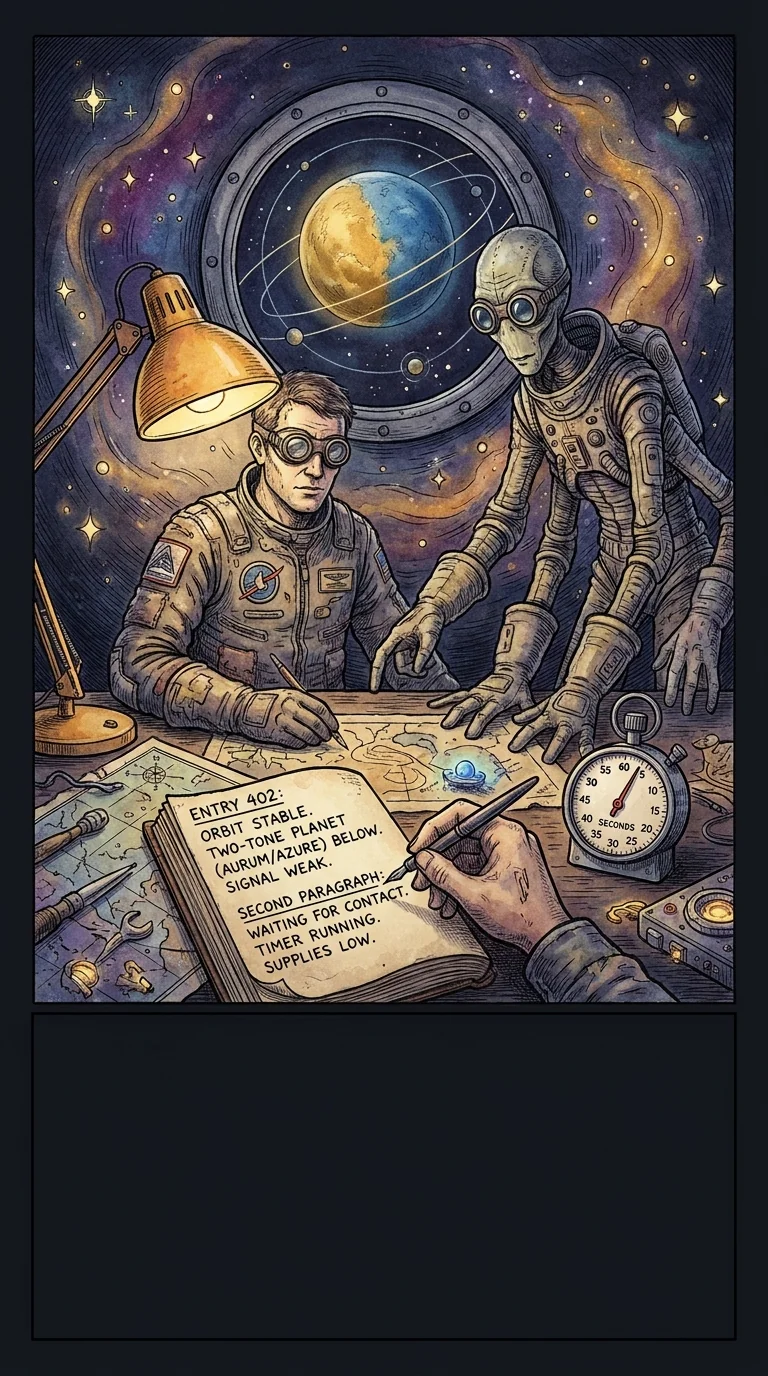
The technique is called the Loss Statement. Pick someone you're in conflict with — even mild conflict. Write two sentences: what you've lost because of the disagreement, and what you believe they've lost. Then sit with both statements for sixty seconds without editing either one.
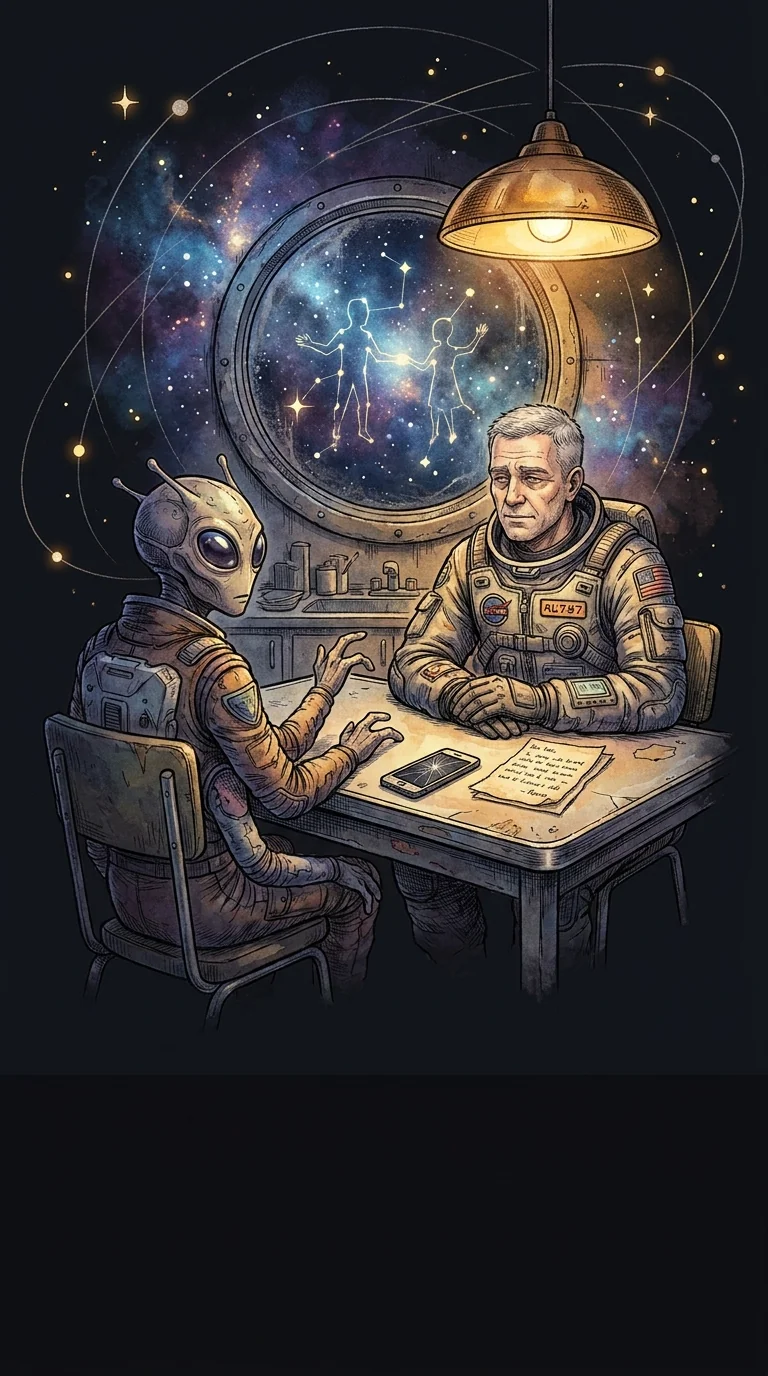
Marcus had been avoiding his sister for three months after a fight about their mother's care. He wrote his loss — missing her at Sunday dinners. Then he wrote hers — carrying the daily weight alone and feeling abandoned. He didn't call her that night. But he stopped rehearsing his defense.
You don't have to reach out today. You just have to let two truths exist on the same page. That's how walls get thinner — not by arguing them down, but by writing what's on both sides.