Why Funny Works Better Than Serious
Imagine you need to change someone's mind about a group of people they've been taught to fear. Do you show them a harrowing documentary — or a comedy sketch?
Part 1: Why Funny Works Better Than Serious — Concept
+5 XP on completion

Imagine you need to change someone's mind about a group of people they've been taught to fear. Do you show them a harrowing documentary — or a comedy sketch?
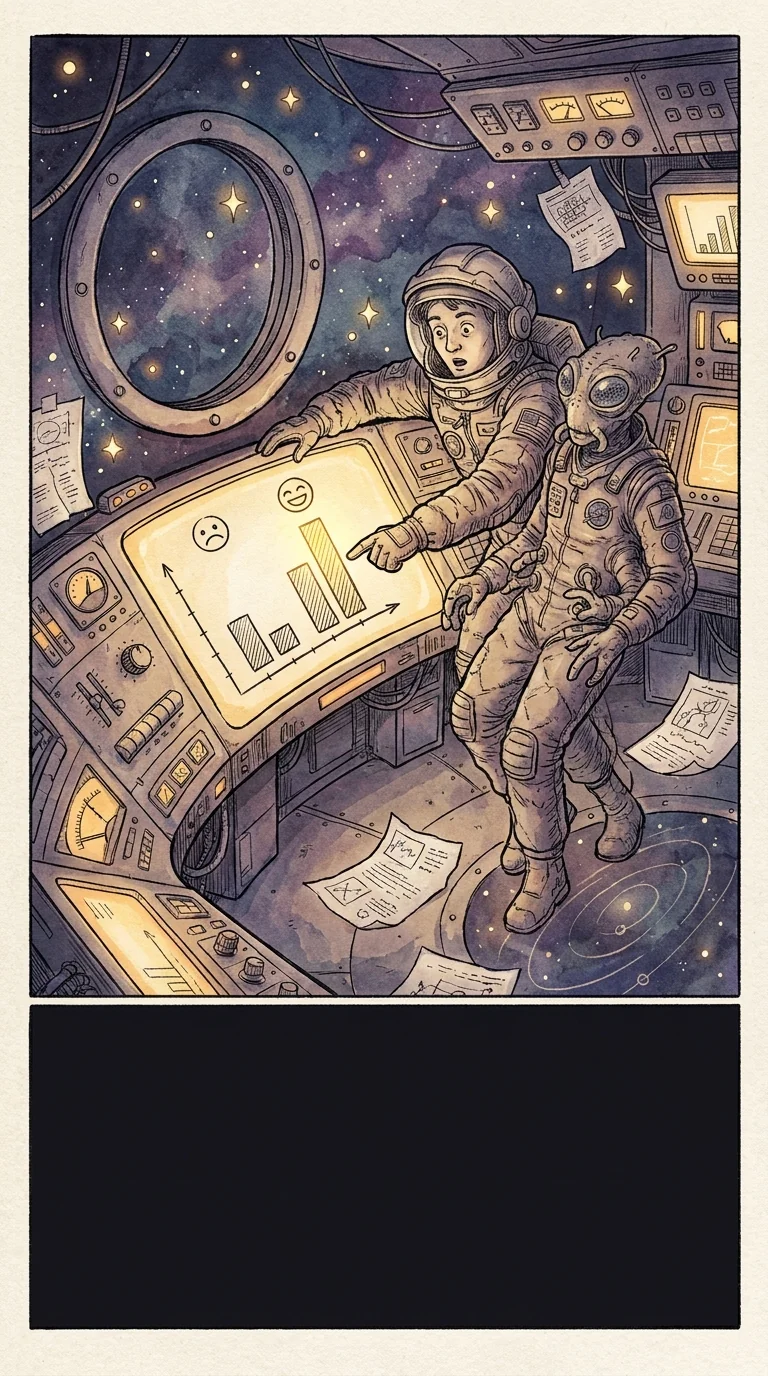
Every instinct says go serious. Grave problem, grave tone — show them the weight of it. That's what the ADL researchers assumed too, when they set out to reduce antisemitic attitudes. Turns out instinct had it backwards.

The humor-based content outperformed the documentary-style content at shifting antisemitic views. Not by a hair — meaningfully. The researchers didn't expect it. Nobody did.

Here's why it works: laughter drops the blast shields. A lecture triggers defensiveness — your brain hears an accusation coming and braces. A joke slips past because you're too busy exhaling to clench. The insight lands before the walls go up.

Lisa spent months sending her uncle articles about hate-group recruitment tactics. He never finished one. Then she texted him a three-minute comedy clip that made the same point through absurdity. He texted back: "Wait, is that actually how they operate?" First real question he'd asked in a year.

Disarmament beats lecture — not because the subject isn't serious, but because a laughing brain is an open brain. In Part 2, you'll practice building a humor-based reframe you can actually use in a real conversation. See you there.
Part 2: Why Funny Works Better Than Serious — Practice
+10 XP on completion

Humor outperforms lectures at shifting prejudice — the ADL data was clear on that. So how do you actually use funny on purpose, without turning someone's suffering into a punchline?

The wrong move is obvious: aim the joke at the people being hurt. That's not disarmament — that's recruitment content with a laugh track. The other wrong move is gentler but just as useless: lecturing harder and louder until everyone's ears close.
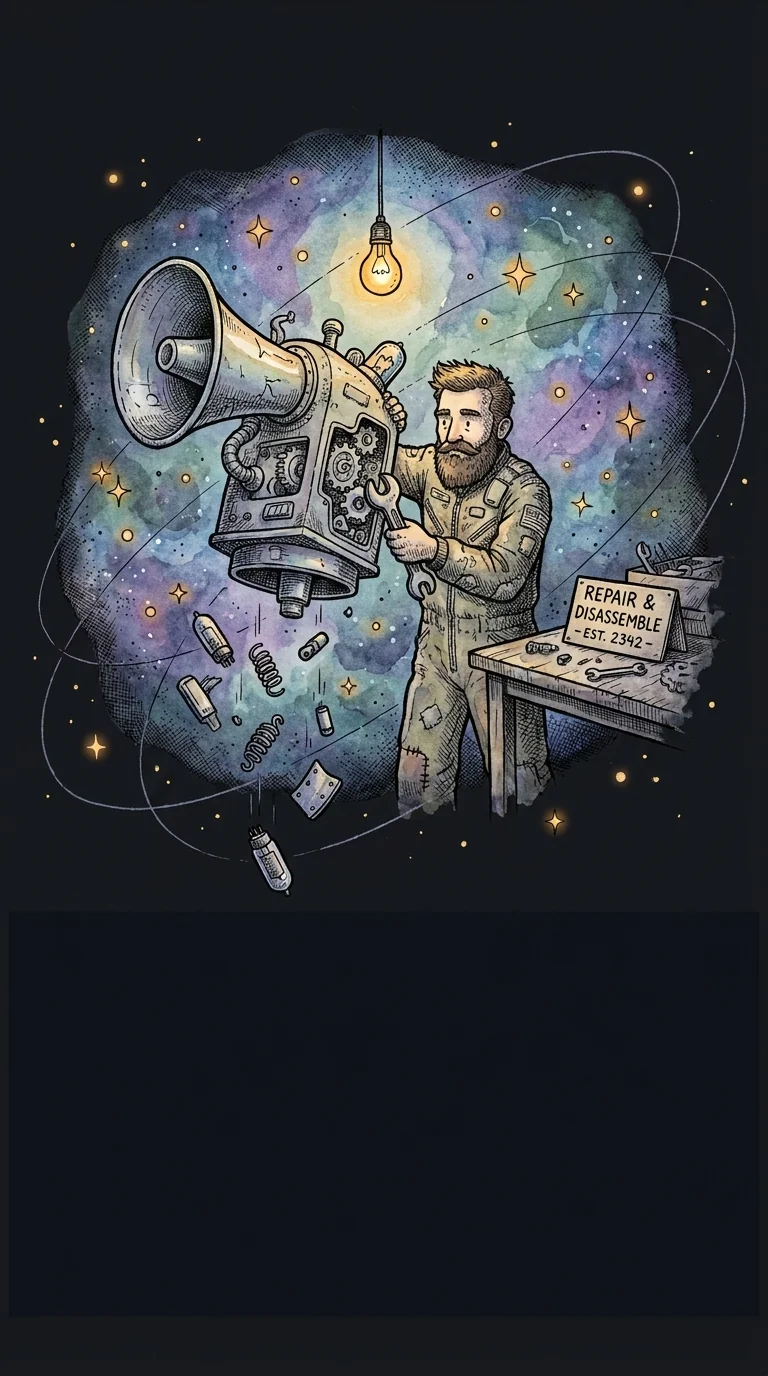
The technique is called the Disarmament Reframe. Point the joke at the absurdity of the bad logic itself — the propaganda, the recruitment pitch, the paranoid storyline — never at the people it targets. You're mocking the machine, not the people under it.

Three steps. First, identify the specific claim or narrative you want to counter. Second, find what's genuinely ridiculous about its internal logic — the contradiction, the con, the magical thinking. Third, name that absurdity out loud in a way that lets someone laugh without feeling attacked for having believed it.

Alex had a coworker who kept forwarding conspiracy links about a shadowy cabal controlling everything. Instead of a lecture, Alex replied: "So this secret group runs every government, every bank, and every media outlet, but they can't keep one guy with a podcast from exposing the whole thing?" The coworker paused. Then laughed. Then stopped forwarding the links.

You don't need to be a comedian. You just need to point at the machine instead of the people caught in it — and let the absurdity do the heavy lifting. That's a skill worth practicing, and you've already started.