The Specific Cognitive Shift
Your brain has a region specifically for imagining what other people think and feel. When it sees a face from a group it's categorized as "other," that region goes quiet — like someone dimmed the lights on empathy withou
Part 1: The Specific Cognitive Shift — Concept
+5 XP on completion
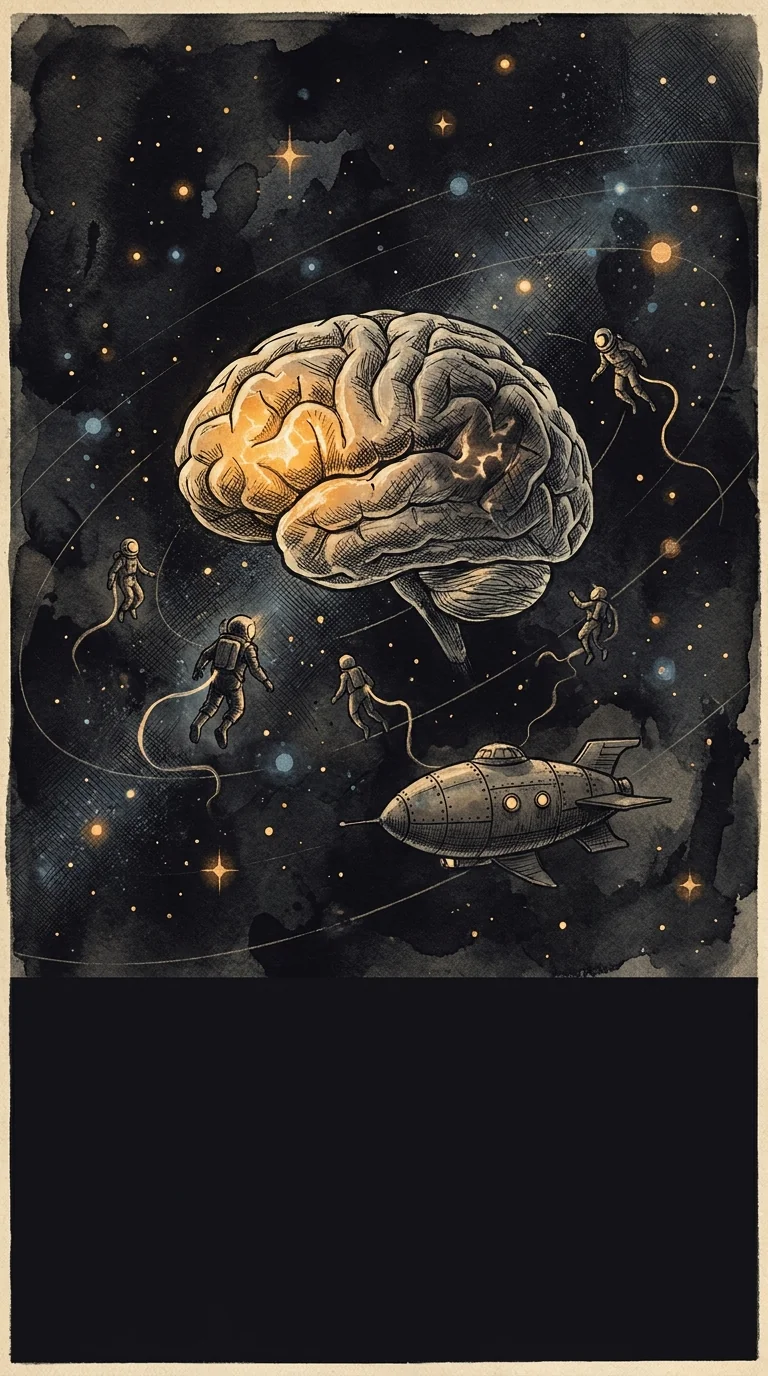
Your brain has a region specifically for imagining what other people think and feel. When it sees a face from a group it's categorized as "other," that region goes quiet — like someone dimmed the lights on empathy without asking you.

Researchers slid people into fMRI machines and showed them photographs. Faces from in-groups lit up the medial prefrontal cortex — the part that wonders what someone had for breakfast, or whether they're afraid. Faces from out-groups? That region barely flickered. The brain processed those faces closer to how it processes objects.

But here's what the same studies found: when subjects learned one specific, personal detail about that out-group face — she's terrified of spiders, he builds model ships for his kid — the medial prefrontal cortex snapped back on. One concrete detail re-filed a human being from "object" to "person."
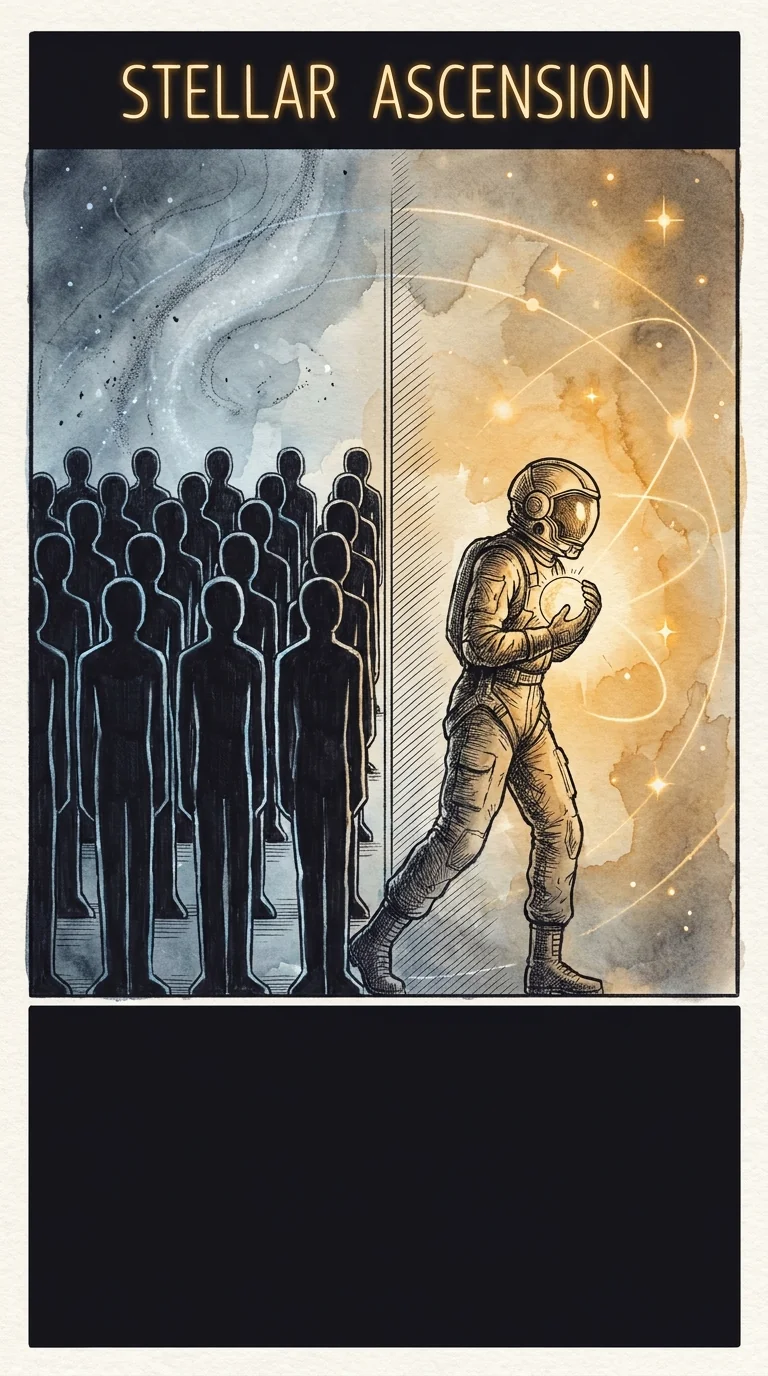
The mechanism is almost embarrassingly simple. Categories are abstractions — your brain stores them cheaply and doesn't bother running the empathy hardware. A specific detail forces the brain to model a specific inner life. You can't wonder what someone's afraid of without treating them as someone who feels.

Marcus used to scroll past refugee news as background noise — thousands displaced, hundreds lost, numbers too large to feel. Then a colleague mentioned her cousin, a pediatrician from that region, who carried one stethoscope across three border crossings because she refused to stop being a doctor. Marcus never scrolled past the same way again.

Categories are the brain's shortcut. Specifics are the override. And the good news is you can learn to deploy that override on purpose — in conversations, in arguments, even in your own head. In Part 2, you'll practice turning abstract categories back into specific people. See you there.
Part 2: The Specific Cognitive Shift — Practice
+10 XP on completion

Your brain's social-thinking circuits dim when a face registers as "category" instead of "person." Today you learn to flip that switch back on — deliberately, in conversation.

The default move is to talk about groups — statistics, headlines, "those people." Every sentence framed that way keeps the prefrontal cortex in power-save mode. You're literally thinking less, and feeling righteous about it.

The technique is called the Specific-Person Anchor. When you catch yourself — or someone else — talking in categories, you redirect to one named human with one concrete detail. That's it. One name. One detail. The brain does the rest.

Step one: notice the category language — "they always," "those people never." Step two: ask yourself or the other person one question — "Who specifically?" Step three: supply or request a name, a face, a breakfast habit, a fear. Specificity is the crowbar that pries open the prefrontal cortex.

Sarah's coworker was ranting about refugees draining resources. She didn't argue the policy. She said, "I met a woman named Amara last week at the community center. She's an engineer. She was teaching her daughter long division on a napkin." The conversation didn't end — but it changed direction.

You don't need a perfect argument. You need one specific person, one real detail, and the willingness to say their name out loud. That's enough to wake up the part of the brain that remembers other people are real. Practice it once today — just once — and see what shifts.