What to Actually Say
Someone at dinner says something antisemitic. Your fork stops halfway to your mouth. You know you should say something — and your brain delivers exactly zero words.
Part 1: What to Actually Say — Concept
+5 XP on completion
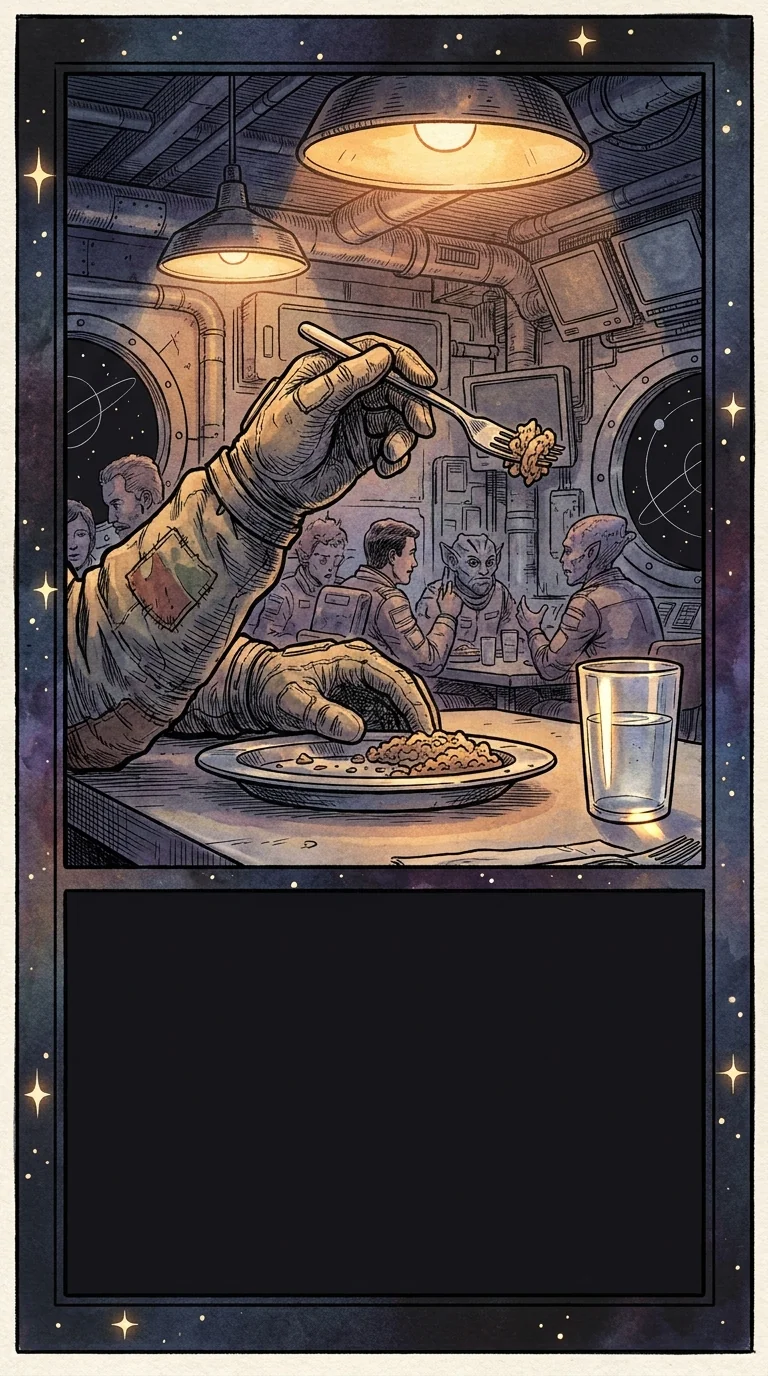
Someone at dinner says something antisemitic. Your fork stops halfway to your mouth. You know you should say something — and your brain delivers exactly zero words.

It's not that you don't care. It's that the moment moves faster than your vocabulary. By the time you've assembled a response, the conversation has drifted to dessert — and you're stuck replaying it at 2 a.m.

The missing ingredient isn't courage. It's a script. Research on bystander intervention shows that people who rehearse specific phrases beforehand are dramatically more likely to actually speak up when the moment arrives.
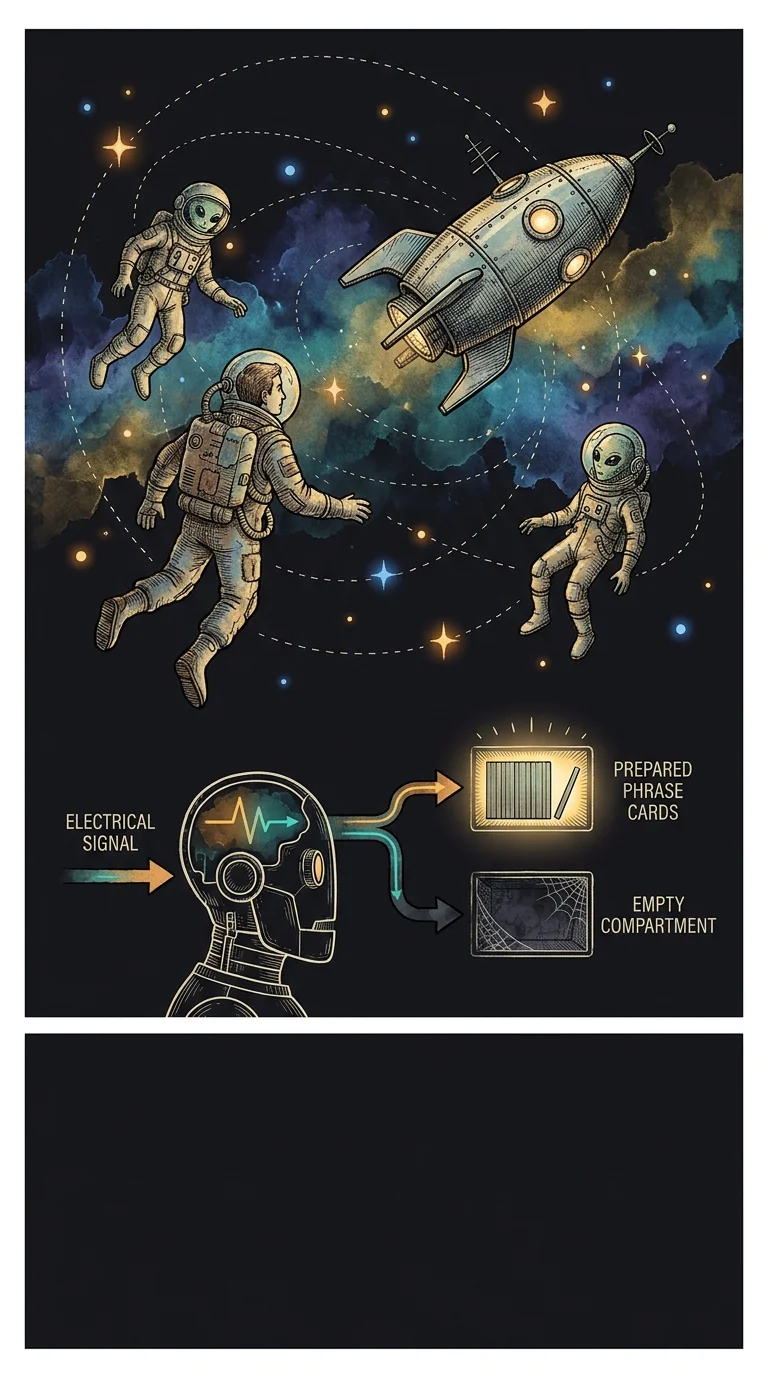
Your brain under social pressure is running on cached responses, not creative composition. If the cache is empty, you get silence. Load three or four short sentences in advance, and your mouth has something to deliver when your higher reasoning is busy panicking.

Marcus spent years saying nothing at his brother-in-law's holiday rants. Then he memorized one line: "That's not something I can let slide — what makes you say that?" He used it at Thanksgiving. His hands were shaking. The conversation actually shifted. Not a revolution — but the silence broke.
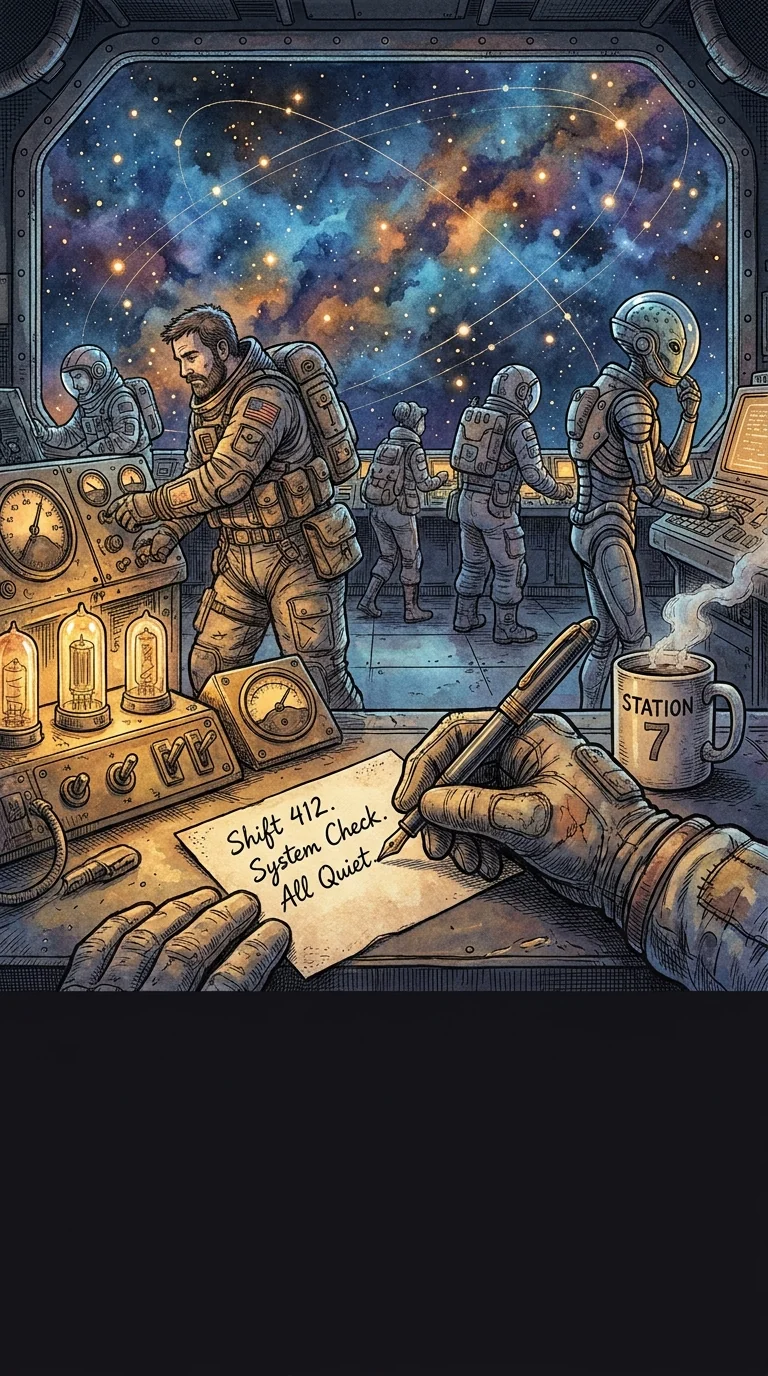
You don't need to win an argument. You need three sentences you can actually say out loud when your pulse is at 120. In Part 2, you'll practice building and rehearsing your own ready-to-use scripts. See you there.
Part 2: What to Actually Say — Practice
+10 XP on completion

You already know you want to say something. The problem was never courage — it was not having the words loaded and ready when the moment hit.

Without a script, your brain runs a familiar loop: hear something awful, feel the freeze, watch the moment pass, replay it for three days wishing you'd spoken up. The silence isn't agreement — but it sounds like it to everyone in the room.
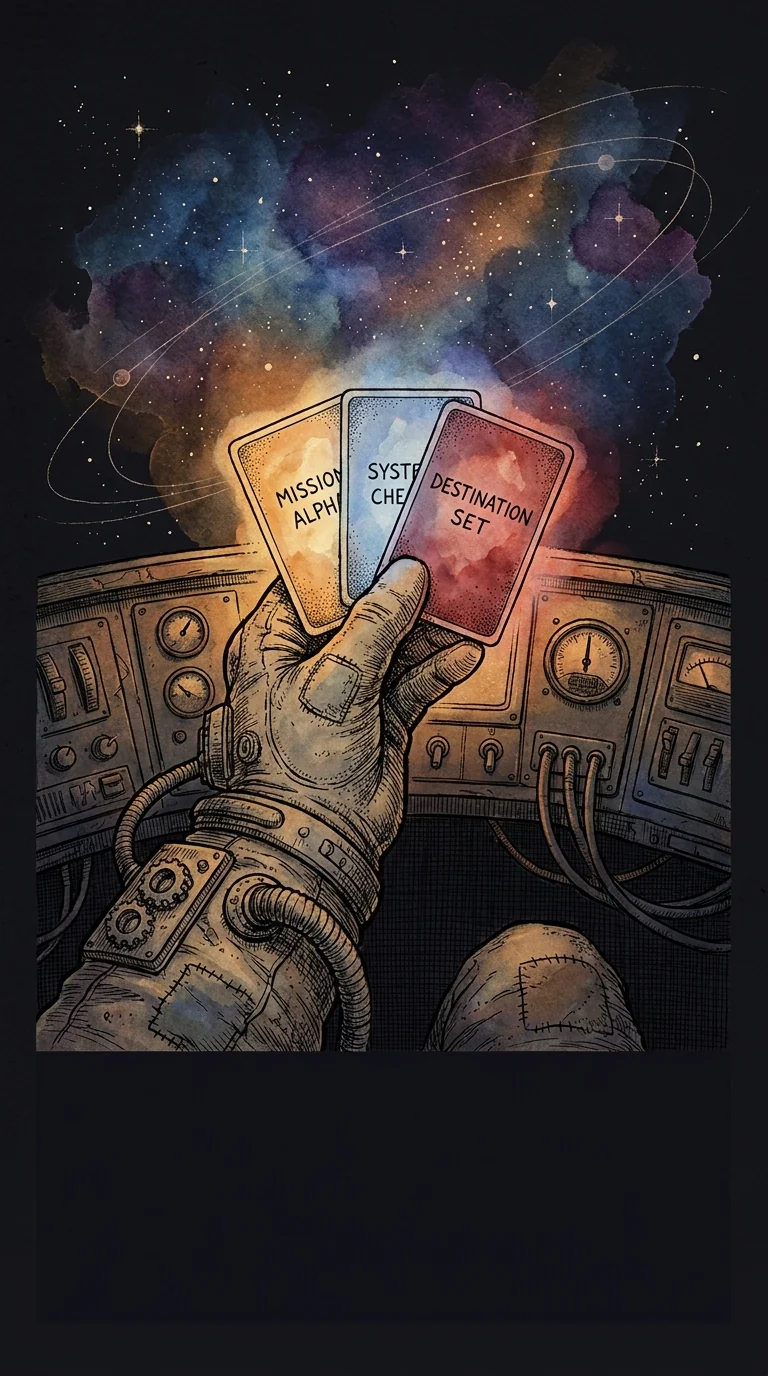
The technique is called "Three Ready Lines." You pick three short, pre-built responses — one calm, one questioning, one firm — and you practice them until they're muscle memory. When the moment comes, you don't have to compose. You retrieve.

Here's how it works. Your Calm Line names the problem without escalating: "That's an antisemitic stereotype — I'm not okay with it." Your Question Line invites reflection: "What do you actually mean by that?" Your Firm Line draws the boundary: "We're not doing that here." Pick one from each category, or write your own. Then say them out loud — alone, in the shower, in the car — until they feel like yours.

Sarah heard the comment at a work lunch — a lazy conspiracy joke dressed up as humor. Six months ago she would have stared at her plate. This time she looked up and said, "That's a conspiracy theory about Jewish people, and it's not funny." The table went quiet. Then someone else said, "Yeah, it's really not." Two voices changed the room.

You now have something most bystanders don't — words that are yours, practiced and ready. Tomorrow you'll learn the full 5D bystander framework to decide when and how to deploy them. The script is loaded. The rest is timing.