The 5D Method: Your Bystander Toolkit
You're on a transit platform when someone starts screaming slurs at a stranger two seats away. Your brain doesn't freeze because you're a coward — it freezes because nobody handed you a playbook.
Part 1: The 5D Method: Your Bystander Toolkit — Concept
+5 XP on completion
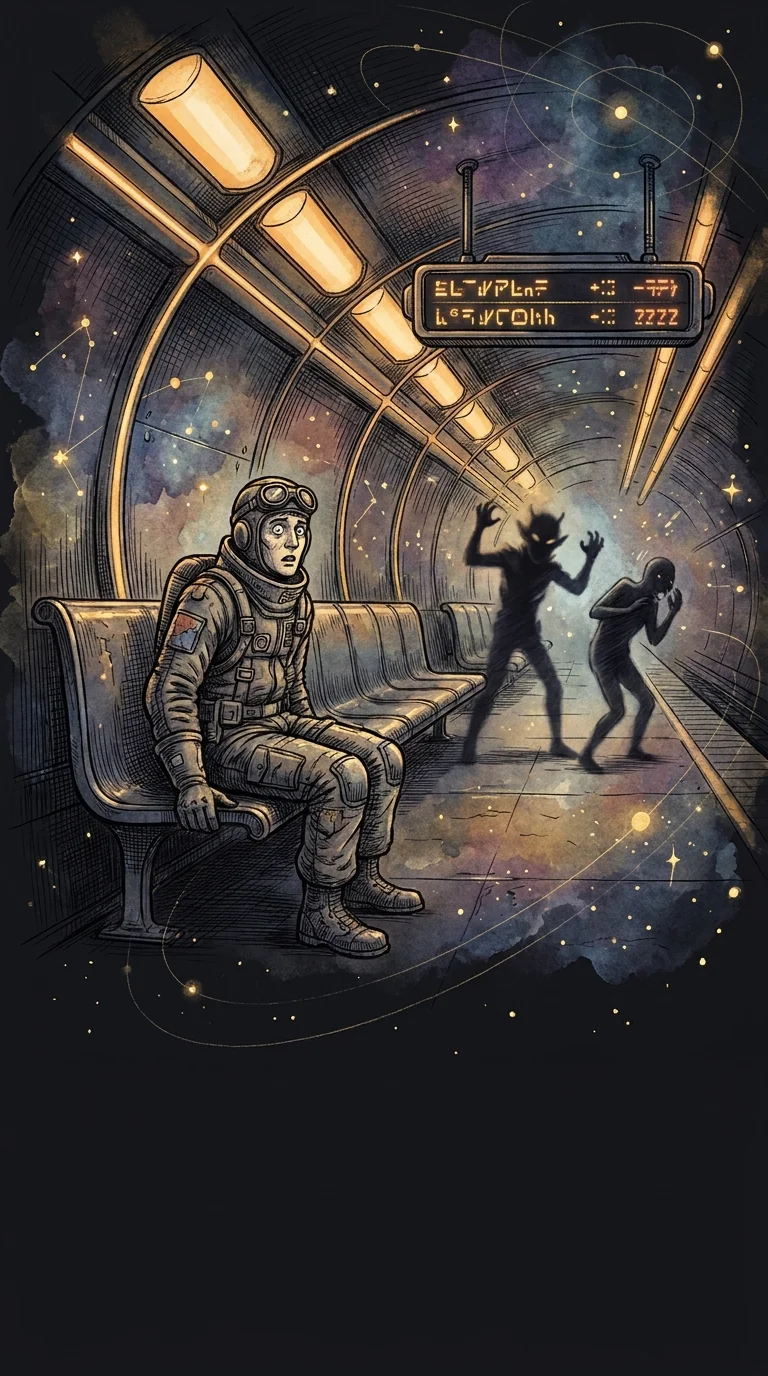
You're on a transit platform when someone starts screaming slurs at a stranger two seats away. Your brain doesn't freeze because you're a coward — it freezes because nobody handed you a playbook.
Most bystander advice boils down to "do something." Incredibly helpful — like telling someone to fix a ship engine with good vibes. Without specific moves, good intentions just produce guilt and a lot of looking at your shoes.
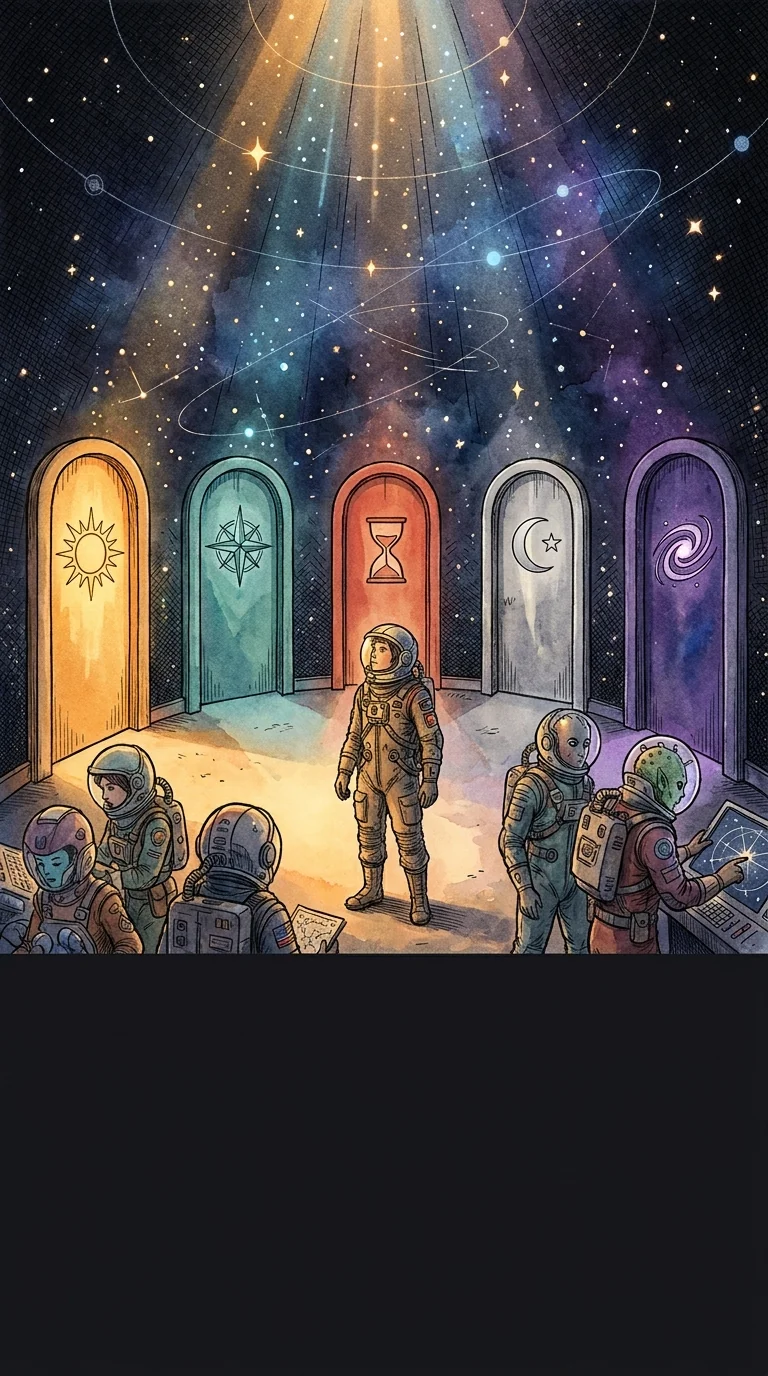
Right To Be — the organization formerly known as Hollaback! — has trained over two million bystanders using a method born from street harassment research. They found something simple: you don't need one perfect response. You need five possible doors, so at least one of them fits the moment you're actually in.
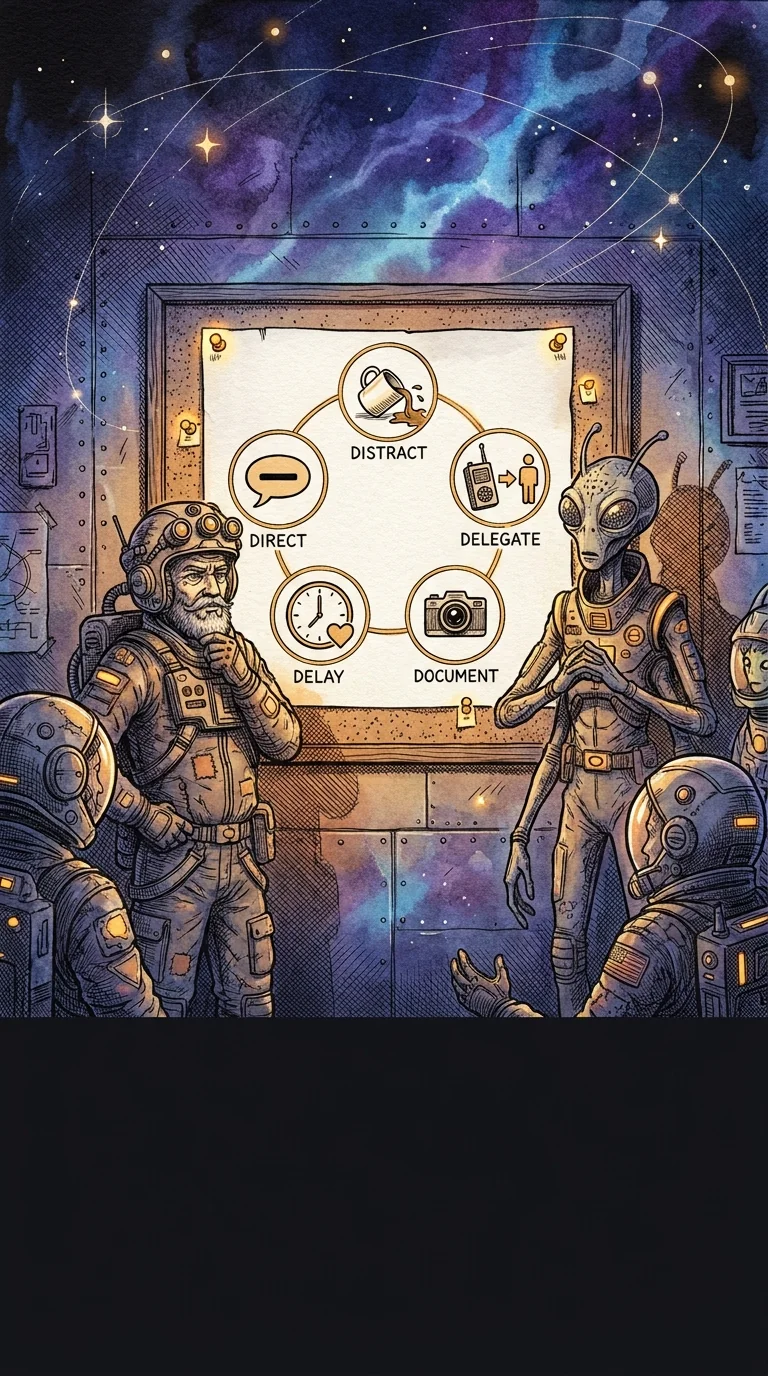
The five D's: Distract — break the situation's momentum with something mundane. Delegate — get someone with more authority or proximity involved. Document — record what's happening. Delay — check in with the person targeted after the incident. Direct — name the behavior out loud. Each one is a real move, not a personality test. You pick the one that fits the threat level, your position, and what's actually possible.
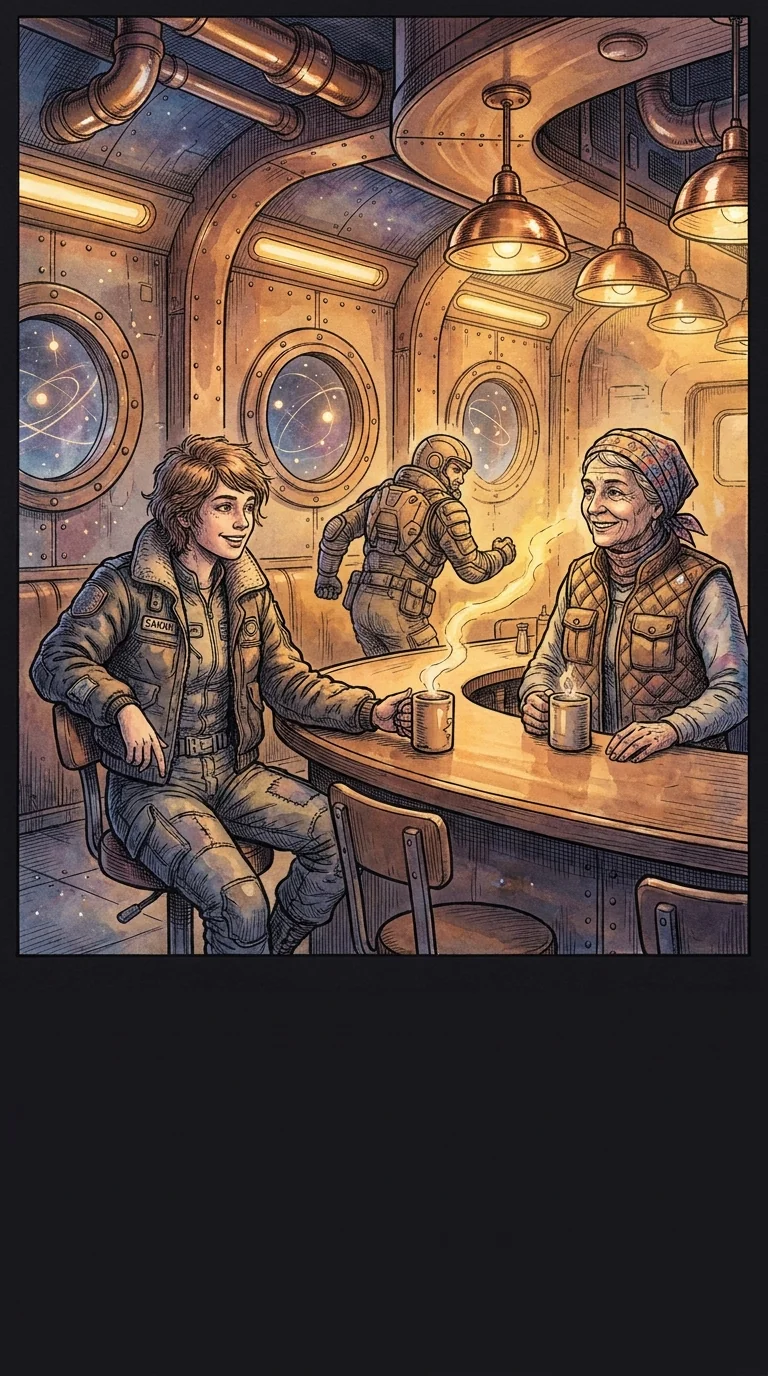
Sarah watched a man berate an older woman in a headscarf at a coffee counter. She didn't confront him — she walked up to the woman and said, "Excuse me, is this seat taken? I think I know you from the Tuesday group." Pure distraction. The man lost his audience, muttered, and left. Afterward, Sarah stayed and asked if the woman was okay. That's Distract plus Delay — two doors, one moment.
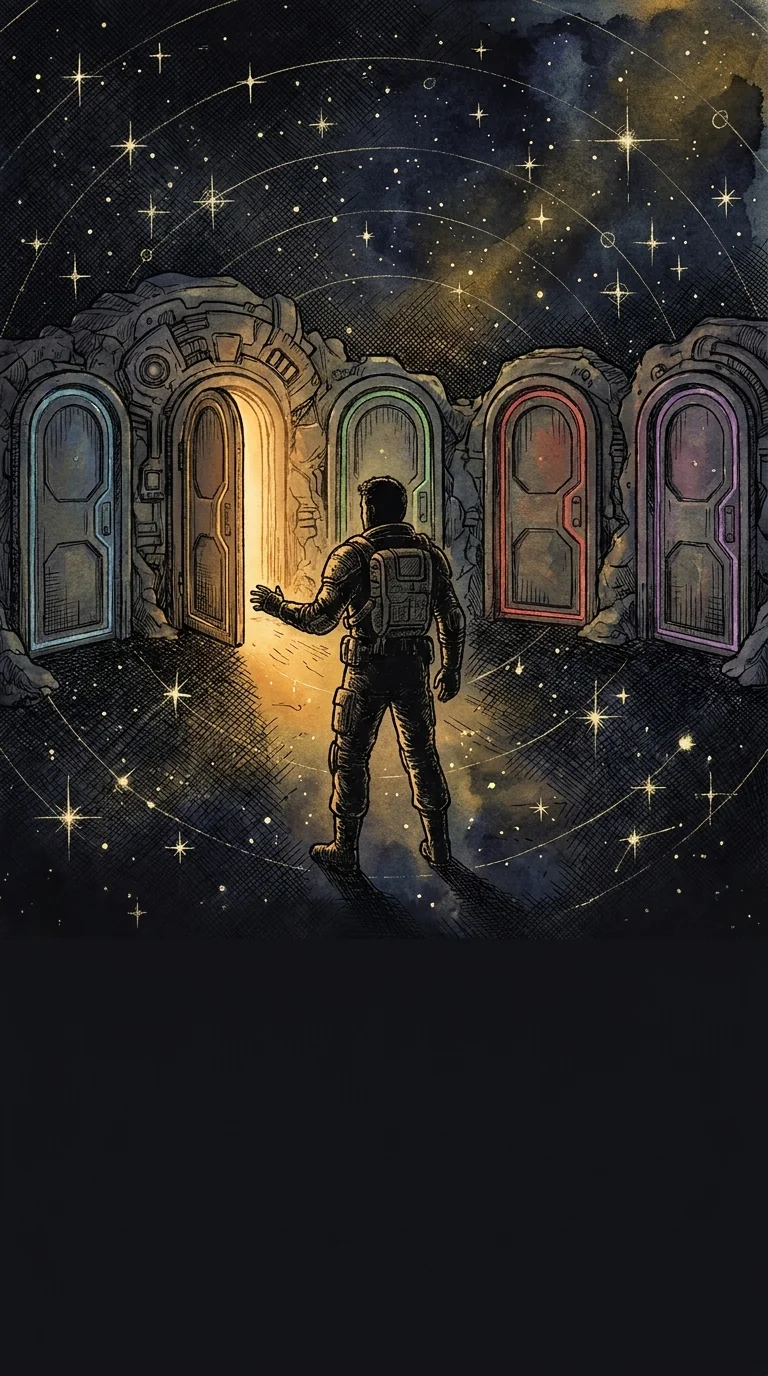
Five doors. You only need to walk through one. In Part 2, you'll practice choosing the right D for different scenarios — matching each move to context, risk, and what's actually in front of you. See you there.
Part 2: The 5D Method: Your Bystander Toolkit — Practice
+10 XP on completion
Five options, not fifty. Right To Be's 5D framework gives you a menu short enough to remember when your pulse is hammering and your brain wants to pretend you didn't see anything.
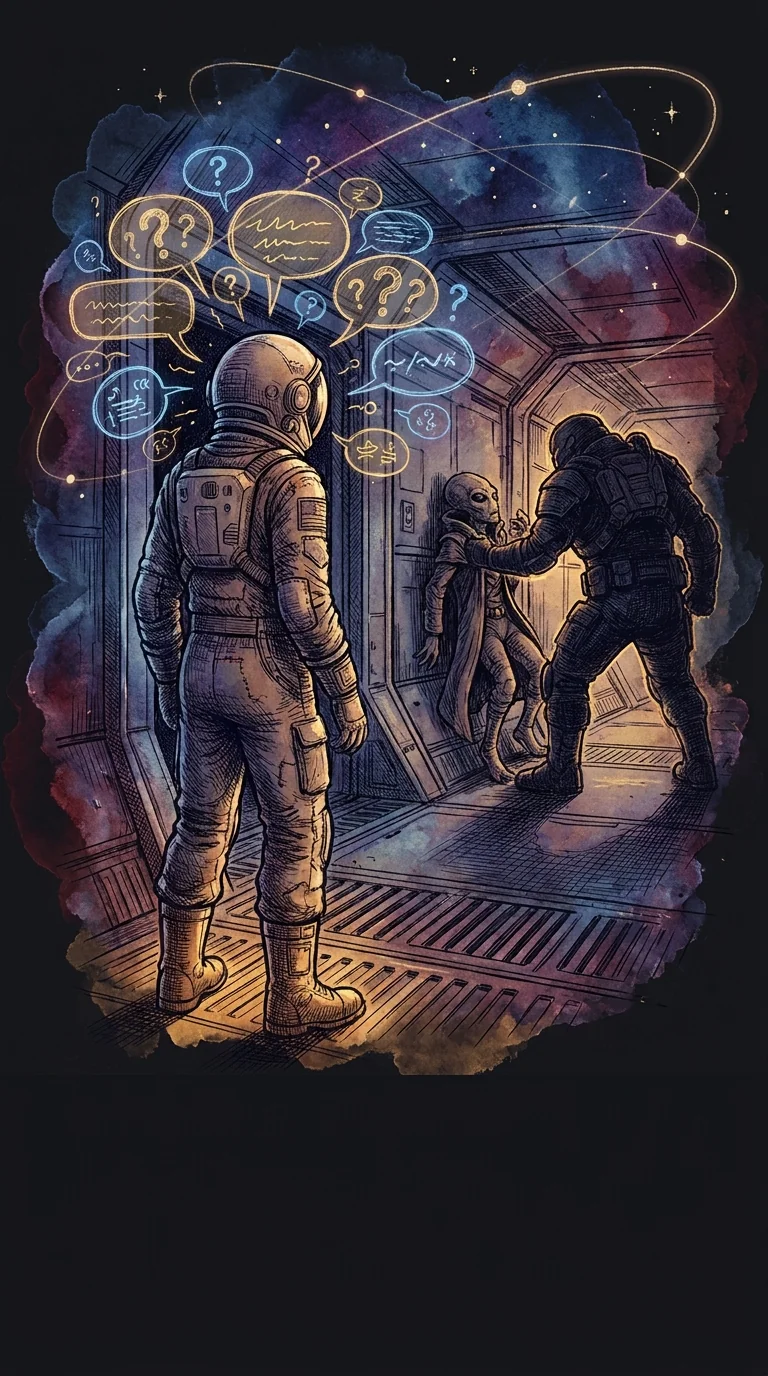
The usual failure mode isn't cowardice — it's option paralysis. You see something wrong, cycle through a dozen half-plans in two seconds, and by the time you pick one the moment's gone. The 5Ds fix that by shrinking the menu to five moves you can drill before you need them.
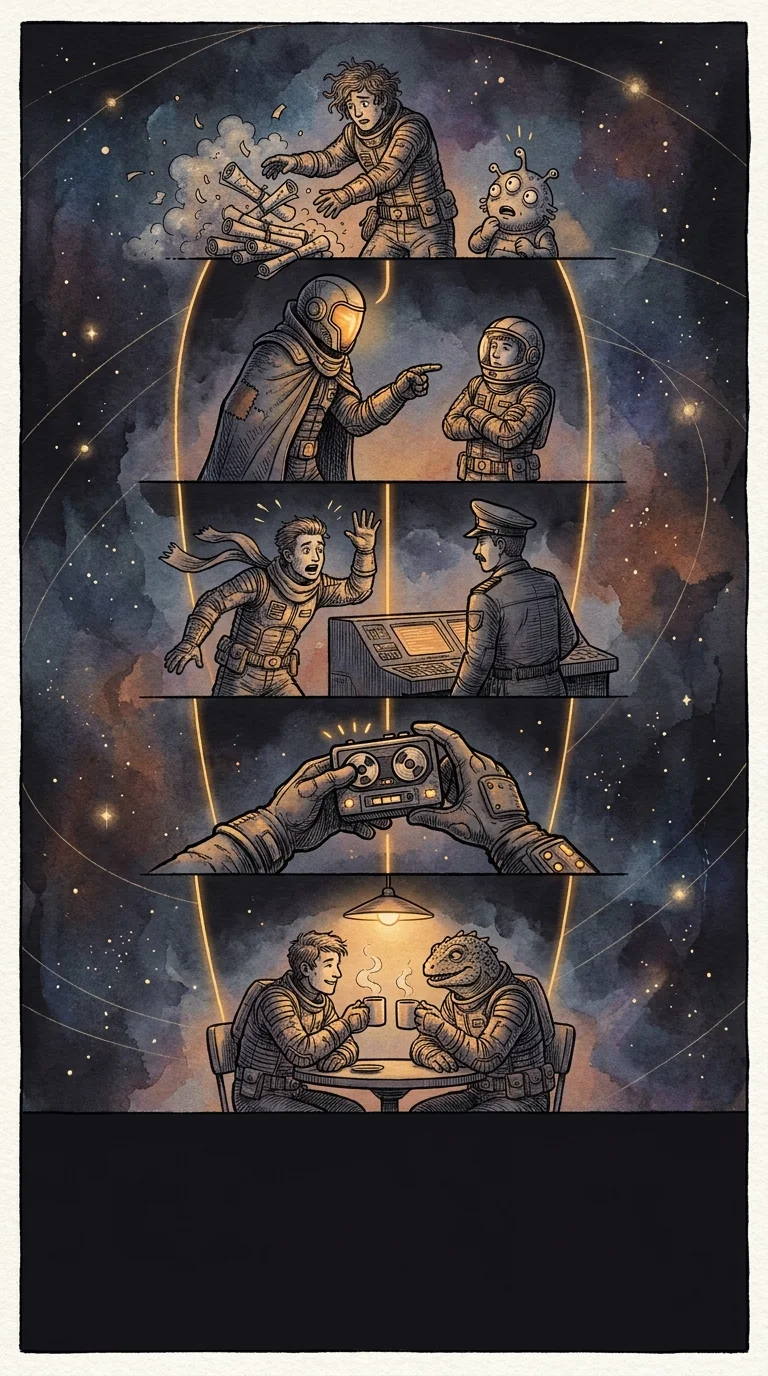
Here's your toolkit. Distract: break the interaction without confronting anyone — drop something, ask for directions, spill your coffee. Direct: name the behavior out loud. Delegate: get someone with more authority or backup. Document: record what's happening. Delay: check in with the person targeted after it's over. Pick the D that fits the danger level.
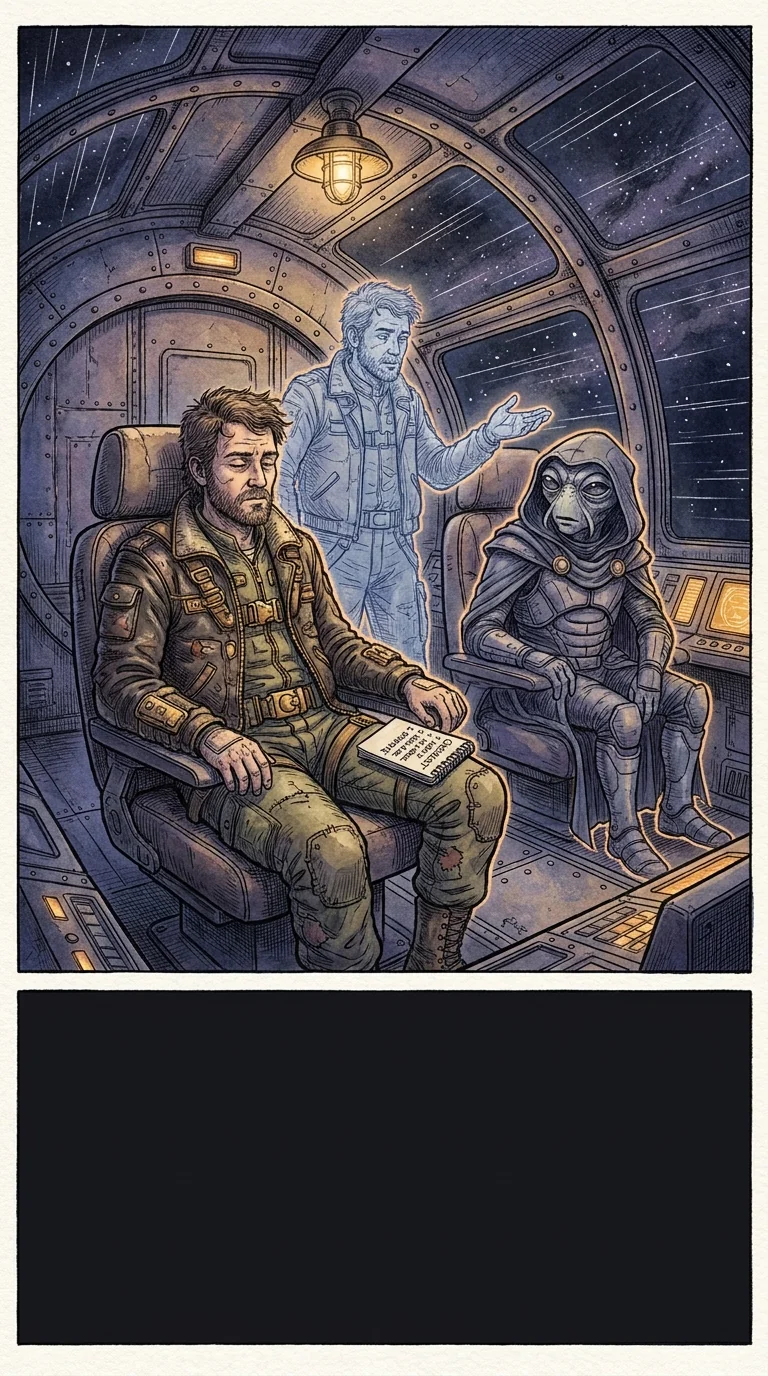
Practice round: picture your daily commute. Someone targets a passenger with slurs. Run the 5Ds mentally. Which one fits that setting — a crowded train car, a driver up front, your phone in your pocket? Pick one D now, picture yourself doing it, and notice which part of the action feels hardest. That's the part you rehearse until it's boring.
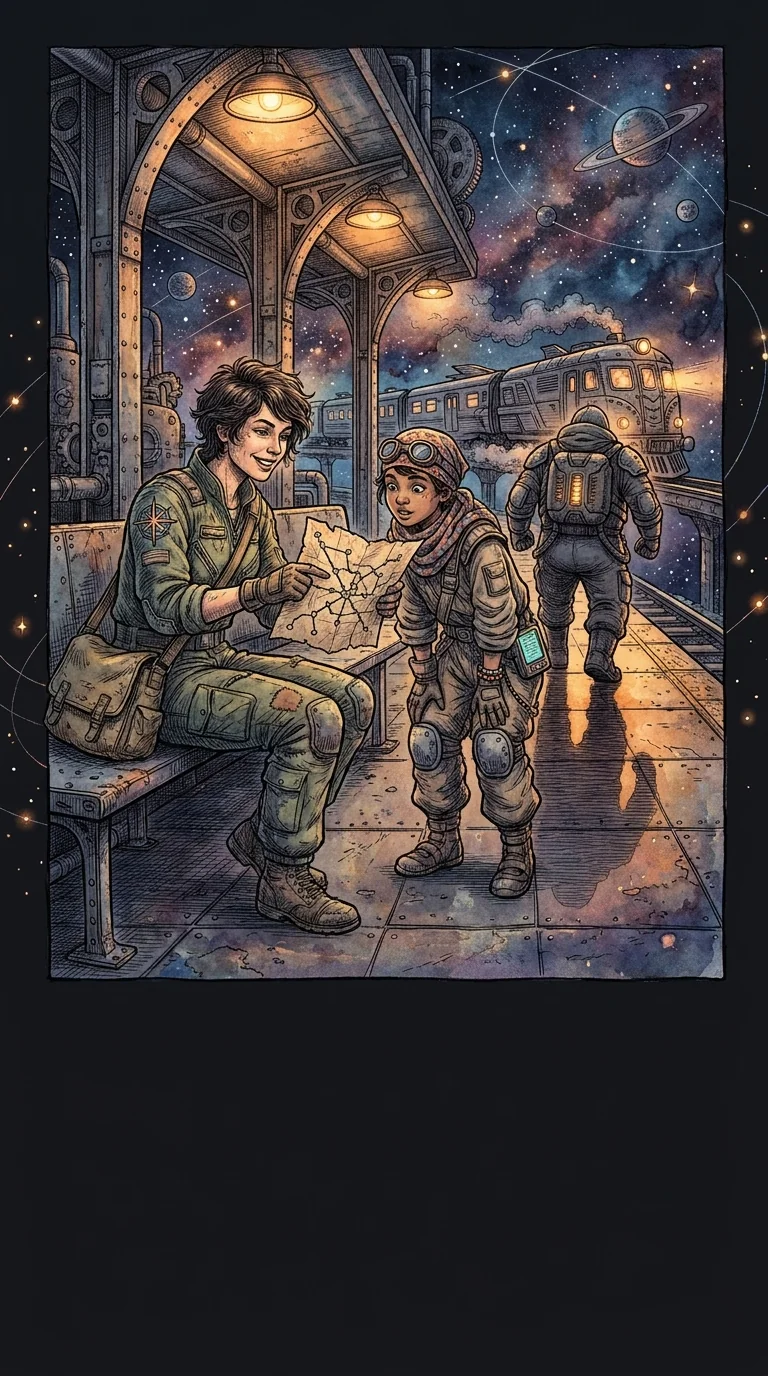
Sarah watched a man berate a teenager wearing a headscarf on the platform. Direct felt too risky — he was twice her size. So she walked over, sat next to the girl, and asked loudly whether this was the right stop for the museum. Distract. The man lost his audience and walked away. Afterward Sarah stayed and asked the girl if she was okay. Delay. Two Ds, no heroics, no script.
You don't need all five at once. You need one, chosen in advance, ready before the adrenaline hits. That's not bravery — that's preparation. And preparation is something you already know how to do.