What Actually Changes Minds
Marcus spent forty-five minutes building the perfect argument — sourced, cited, airtight. The person he was arguing with walked away more convinced they were right than before he started.
Part 1: What Actually Changes Minds — Concept
+5 XP on completion

Marcus spent forty-five minutes building the perfect argument — sourced, cited, airtight. The person he was arguing with walked away more convinced they were right than before he started.
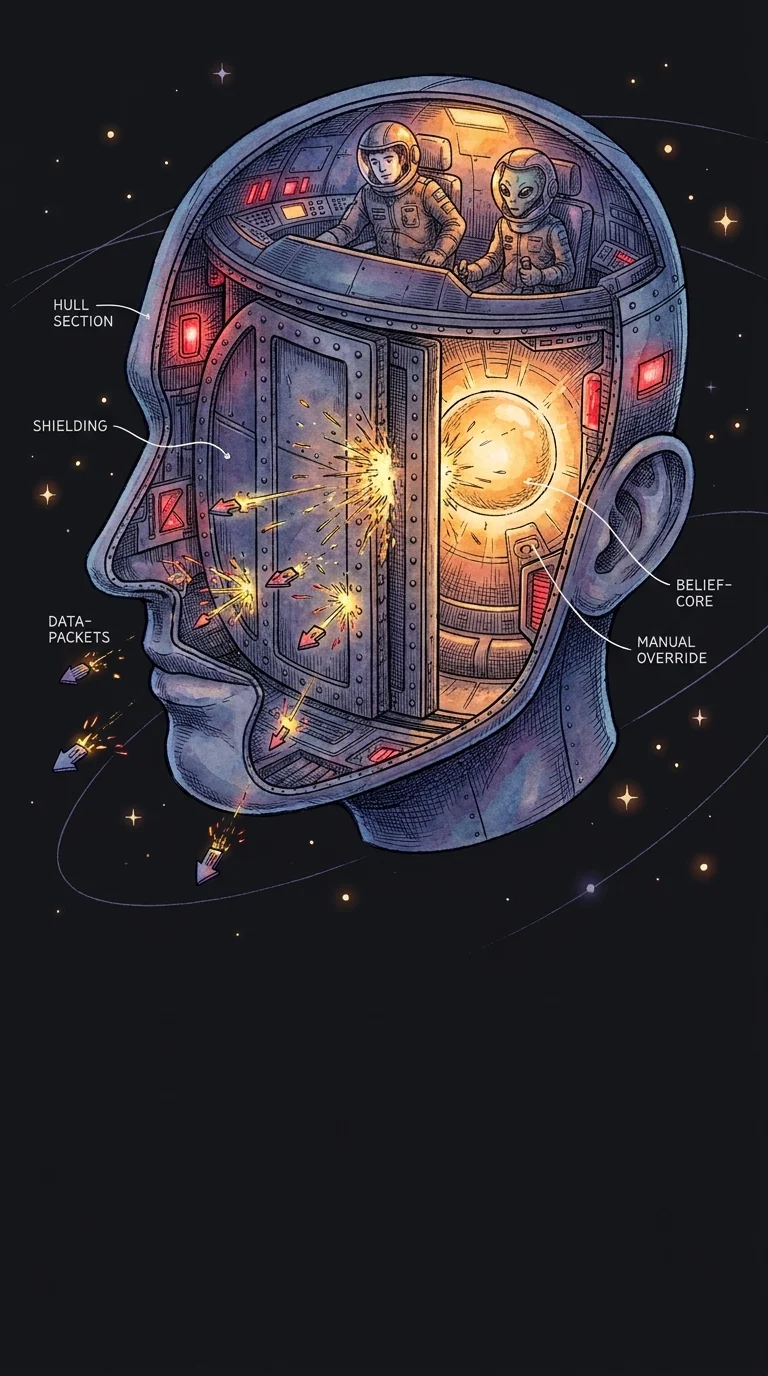
Your brain treats a core belief like critical life-support equipment. Attack it with data and the brain doesn't say 'oh, good point' — it hits the emergency seal and pressurizes. Researchers call it the backfire effect, and it's exactly as fun as it sounds.

What does change minds? Not more data. Contact. Real, specific, human-scale contact with someone the belief says shouldn't exist the way they actually exist. The research on this — decades of it — points the same direction every time.

It works like this: a prejudice is an abstraction about a category. A real conversation with a real person — unhurried, specific, where they share what their life actually looks like — replaces the abstraction with a face. Your brain files faces differently than categories. It's hard to dehumanize someone once they've become a specific someone.

Lisa had a coworker who kept making offhand remarks about immigrants. She didn't debate him. She introduced him to Maria — a friend who'd spent three years rebuilding her life after arriving with almost nothing. They talked for an hour over lunch. He never made those remarks again. Not because he lost an argument. Because Maria became a person.

Facts inform. Stories persuade. But presence — real, unhurried, human presence — rewires. In Part 2, you'll practice setting up the conditions where that kind of contact can actually happen. See you there.
Part 2: What Actually Changes Minds — Practice
+10 XP on completion

Facts bounce off beliefs like rocks off a hull. So if data isn't the tool, what is?

Most attempts at persuasion look like this: load the cannon with statistics, aim at the person's wrongness, fire. Then act surprised when they dig in deeper. The backfire effect isn't a bug — it's the brain's armor plating doing exactly what it was designed to do.

The technique is called the Narrative Bridge. Instead of arguing the belief, you share a specific, personal story — yours or someone else's — that lets the other person feel the contradiction on their own terms. No lecture. No correction. Just a moment real enough that the armor has nothing to push against.

Three steps. One: find common ground — something you both care about. Two: tell a concrete, specific story about a real person affected by the belief in question. Three: ask a genuine question and then shut up. The silence is where the work happens.
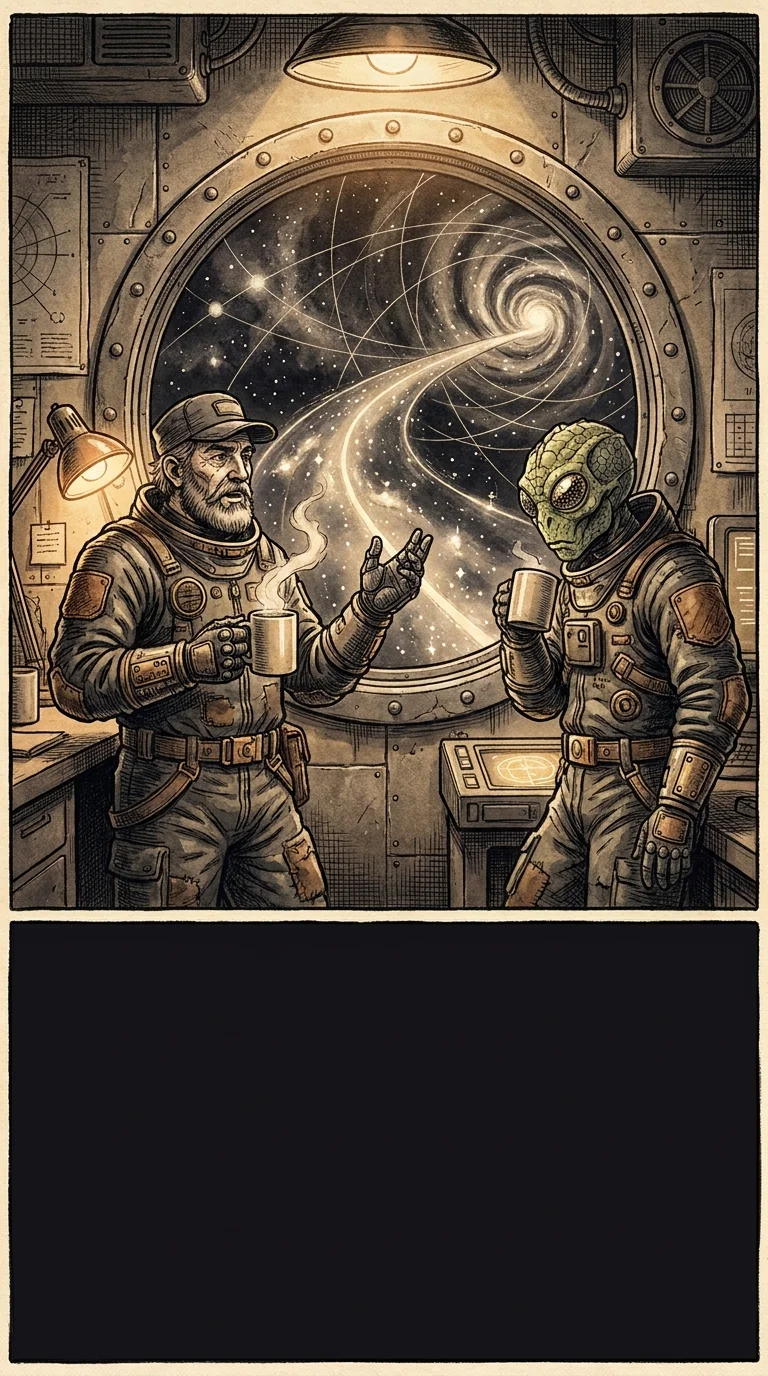
Marcus had a coworker who kept repeating ugly generalizations about refugees. He didn't argue. He talked about his neighbor Yara — how she tutored neighborhood kids in math every Saturday, how her family had walked eleven days to reach safety. He asked his coworker what he'd do if his own family had to make that walk. The coworker went quiet. Two weeks later, he brought it up again — differently this time.

You won't always see the moment it lands. Sometimes the change happens two weeks later, in a conversation you'll never hear. That's okay. You planted something real, and real things grow on their own schedule.