The Long Game
You've seen it: the rally that fills a plaza, the hashtag that trends for seventy-two furious hours, the group chat that's all-caps for a week. Then — silence. Where did everybody go?
Part 1: The Long Game — Concept
+5 XP on completion
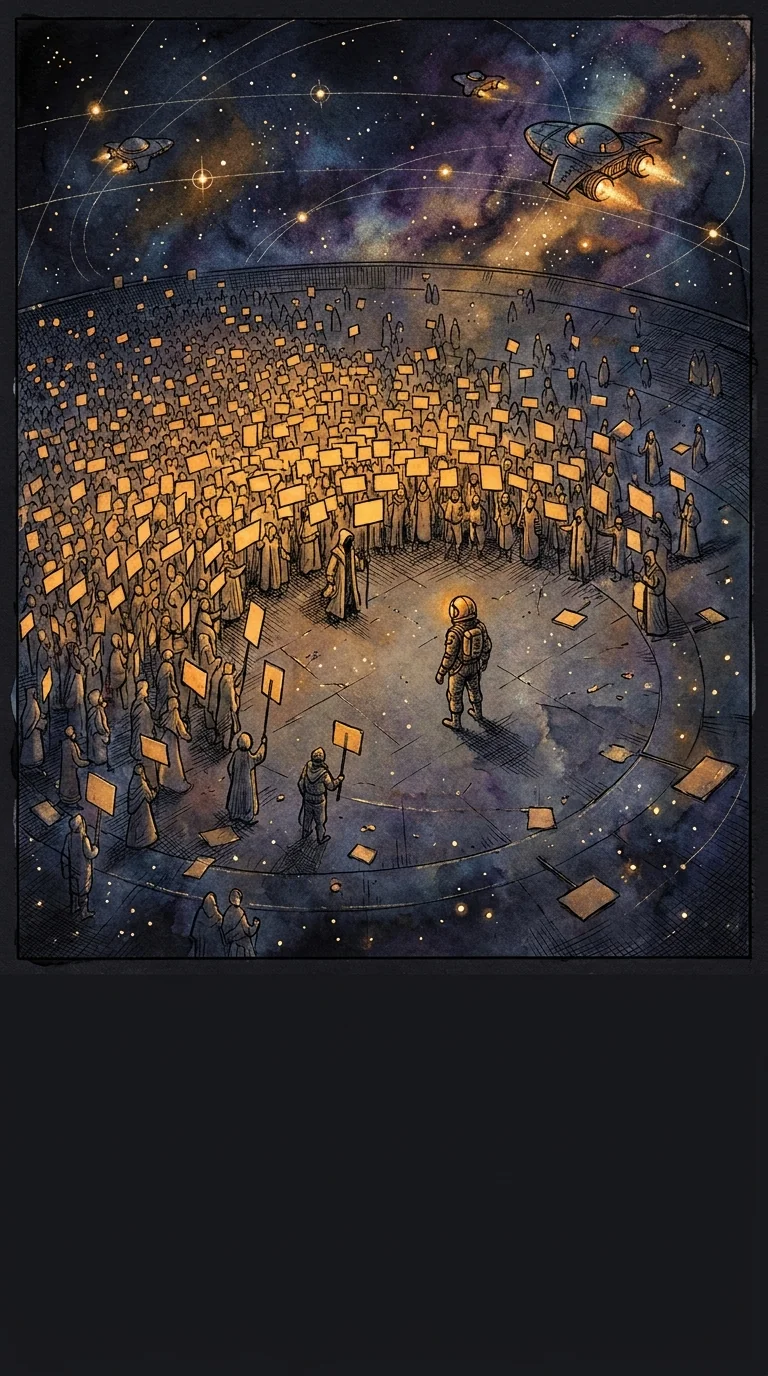
You've seen it: the rally that fills a plaza, the hashtag that trends for seventy-two furious hours, the group chat that's all-caps for a week. Then — silence. Where did everybody go?
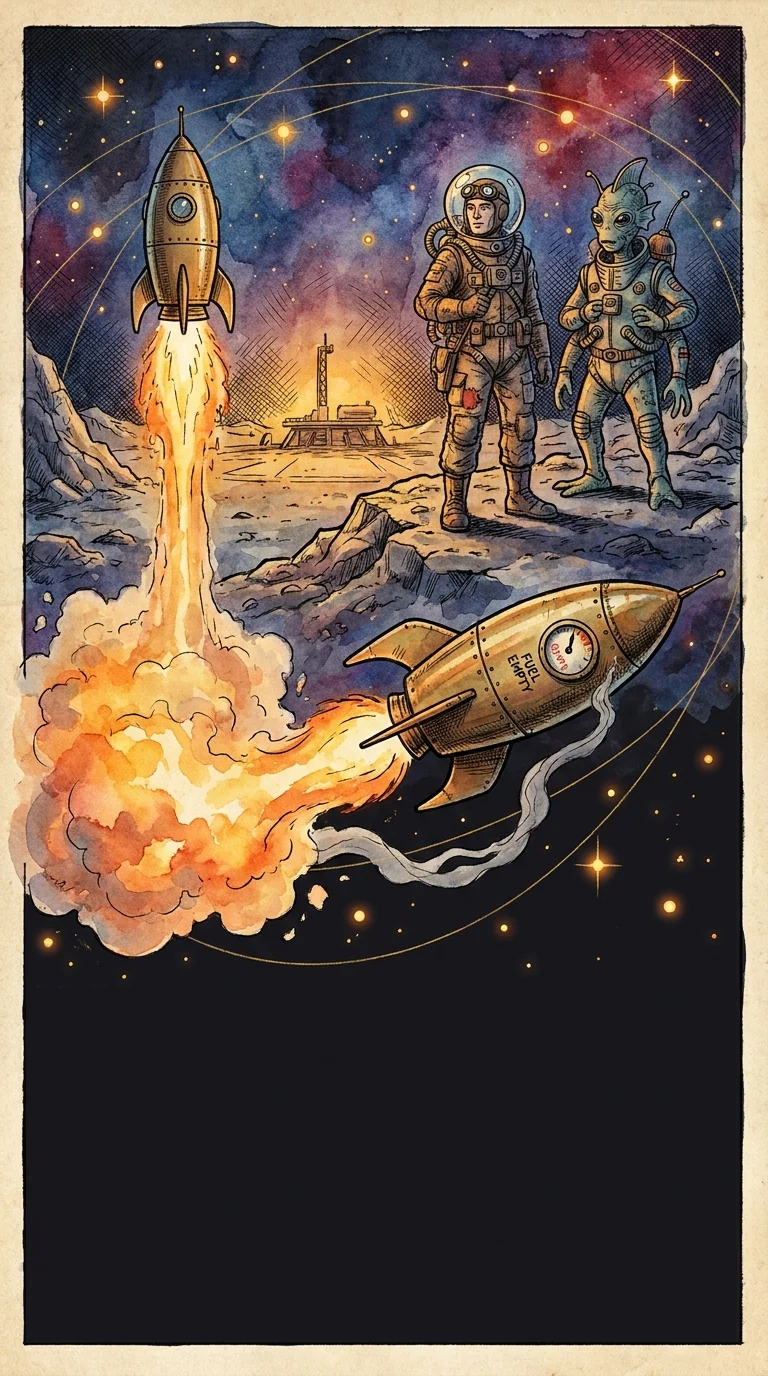
Outrage is rocket fuel — spectacular launch, spectacular flameout. Your adrenal system literally can't sustain it. Movements that run on pure anger don't fade because people stop caring; they fade because human biology has a shutoff valve.
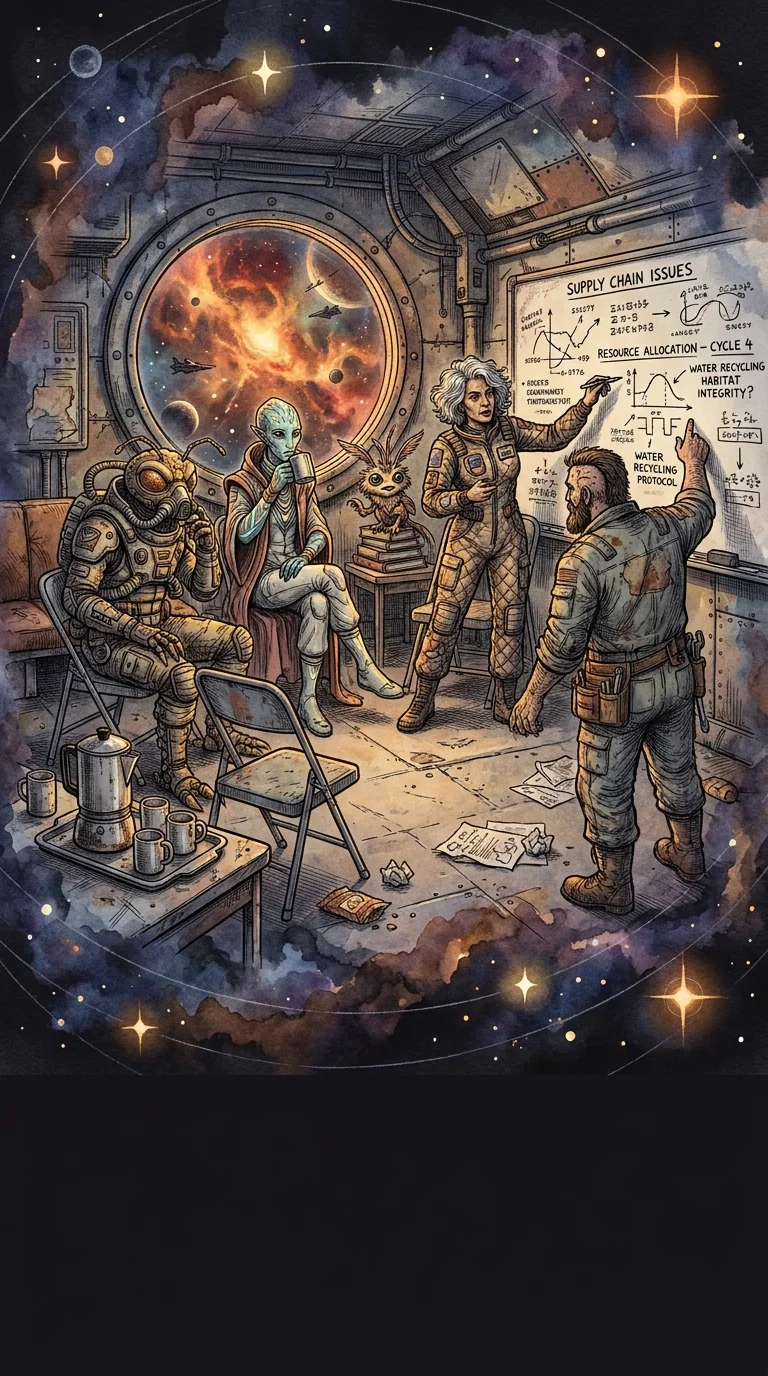
Here's what nobody admits: the stuff that actually changes systems is boring. Policy meetings, school-board elections, showing up to the same community group for the fourteenth Tuesday in a row. Boring is the long game's secret identity.
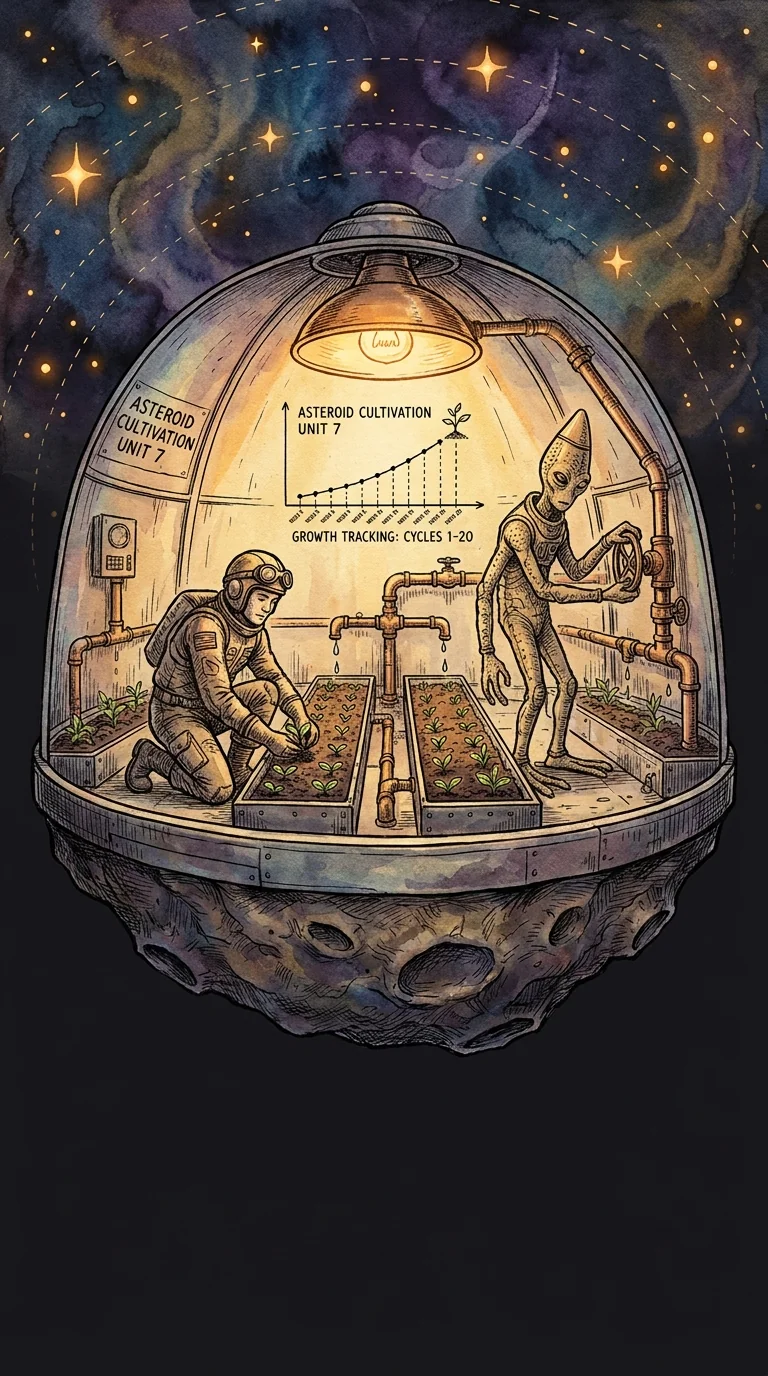
Sustainable change swaps adrenaline for structure: small repeatable commitments, rotating responsibilities so nobody burns out solo, and wins measured in inches instead of revolutions. It's less photogenic. It's what works.
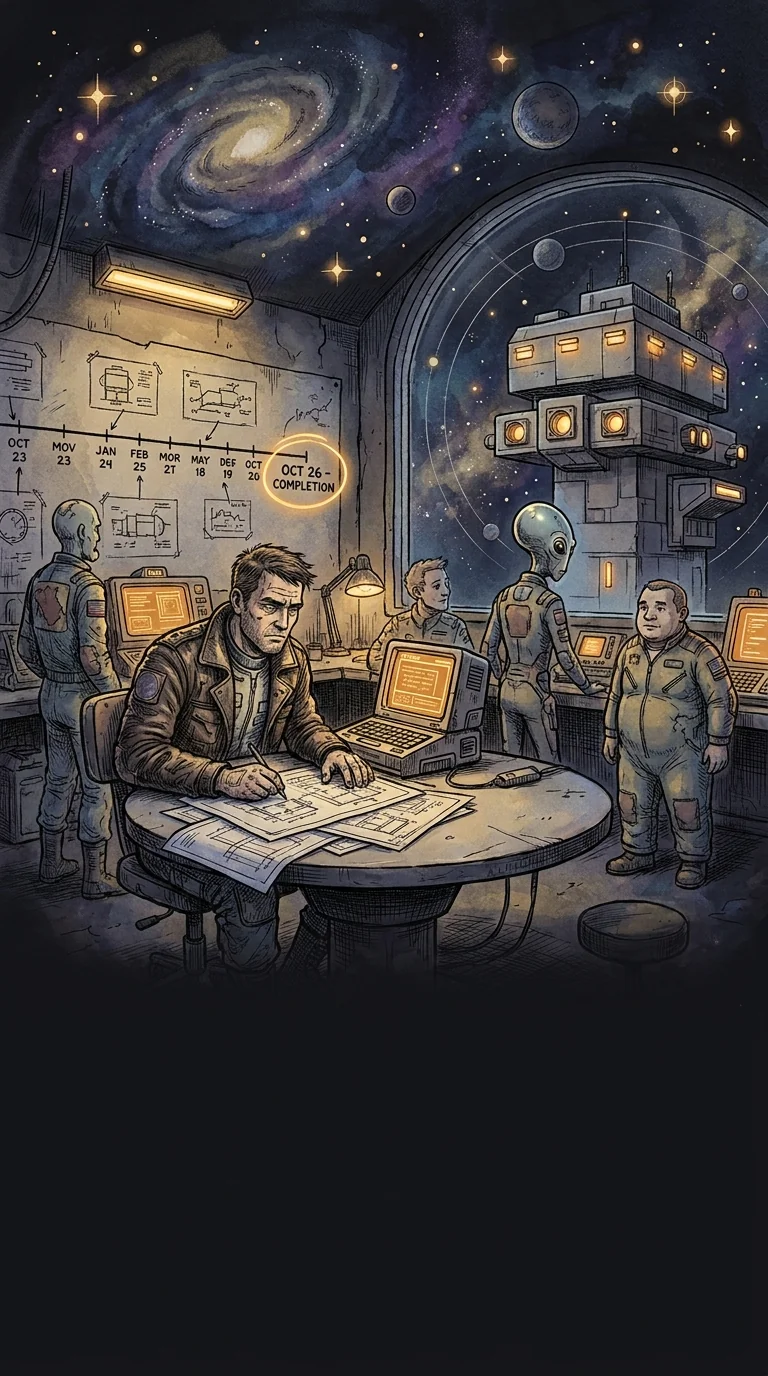
Marcus spent three months rage-posting about housing policy. Changed nothing. Then he joined a tenant council that met every other week — tedious, procedural, relentless. Eighteen months later, his building had new safety codes on the books. Nobody went viral. The pipes got fixed.
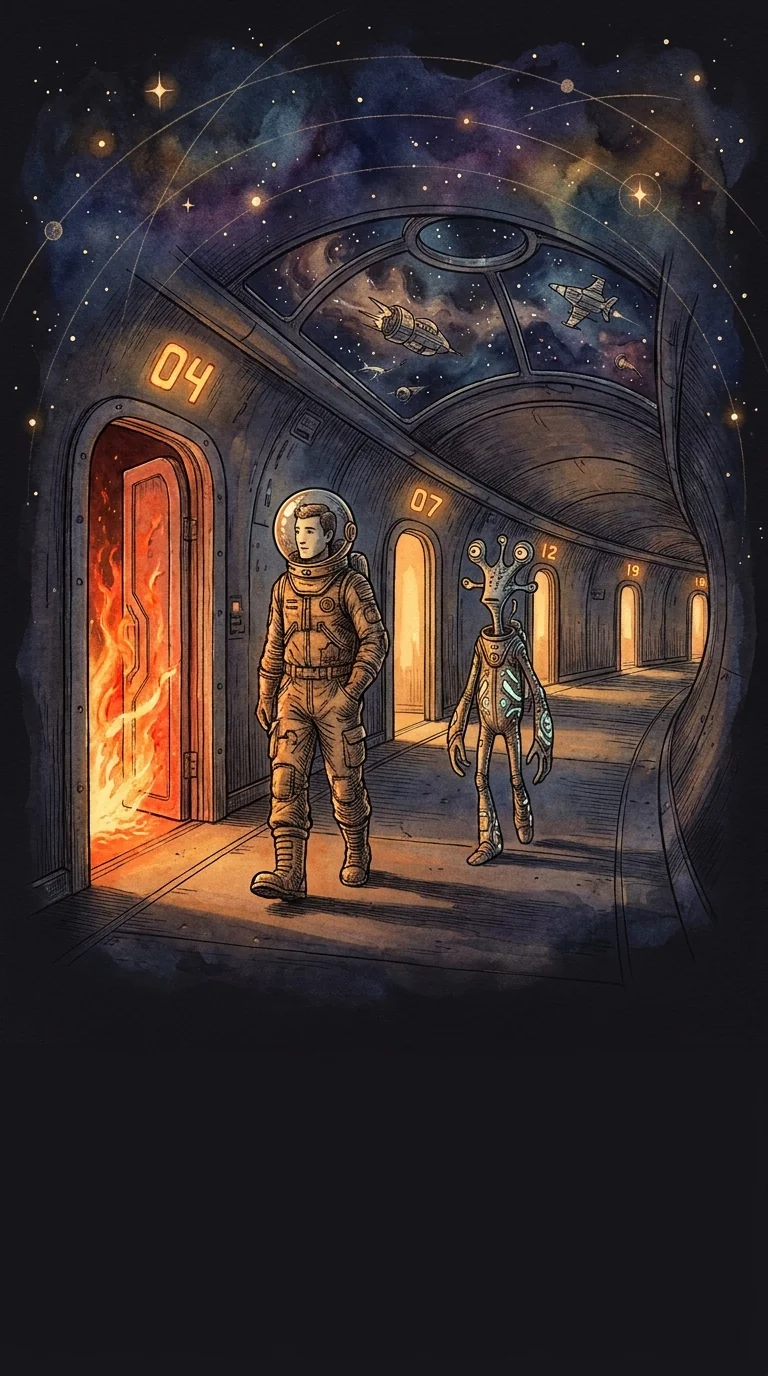
Outrage gets you off the couch. Structure keeps you in the room long enough for something to actually change. In Part 2, you'll practice designing your own sustainable-action plan — small, repeatable, burnout-resistant. See you there.
Part 2: The Long Game — Practice
+10 XP on completion
Outrage burns bright and burns out. So what fuel actually keeps a movement running past the first rally, the first tweet storm, the first exhausting year?
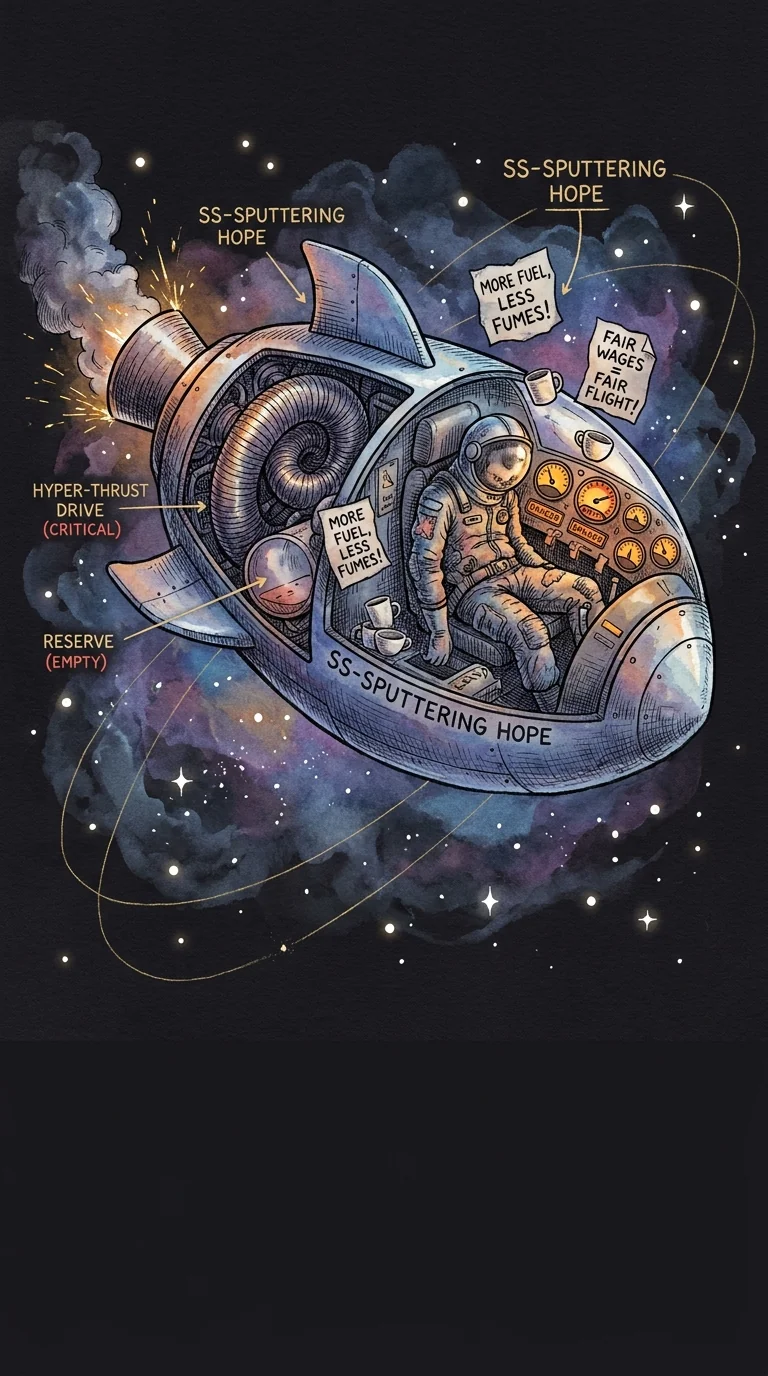
Most campaigns run on adrenaline — fury, moral panic, the dopamine hit of dunking on the other side. That's rocket fuel: spectacular thrust, empty tank in six minutes.
The technique is called the Slow Burn Audit. Instead of asking "What makes me angry enough to act?" you ask: "What would I still show up for after the anger fades?"
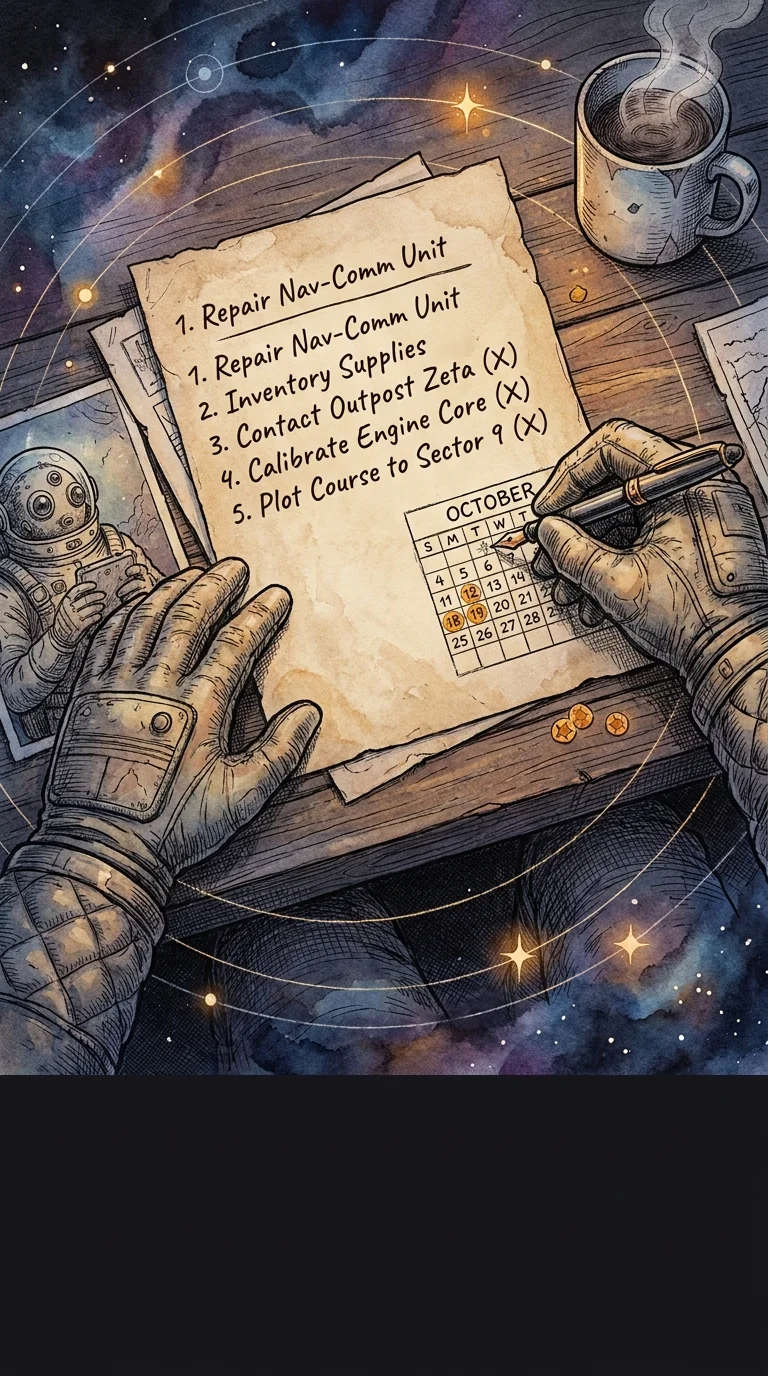
Three steps. First, list the five causes that make you angriest. Second, cross out any you wouldn't work on if nobody was watching and no one would applaud. Third, for whatever remains — write one small, boring, repeatable action you'd do monthly. That's your long game.

Maria tried it. Her fury list had five entries. After the audit, one survived: literacy access in her neighborhood. She signed up to tutor one kid, one hour, every Saturday. Fourteen months later she's still showing up. No applause. No burnout.
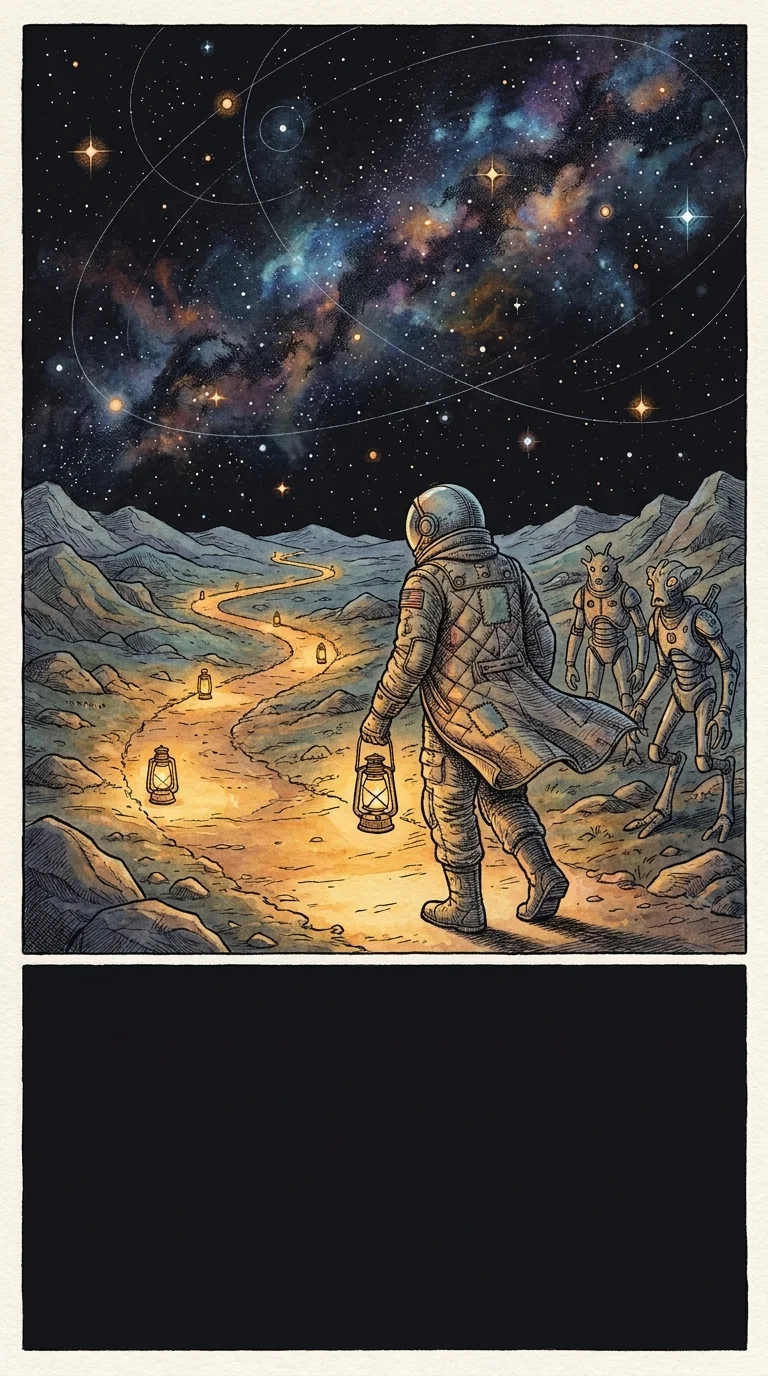
The work that lasts doesn't need an audience or a crisis. It just needs you, choosing to return. Your slow burn is quieter than outrage — and it will outlast every fire that tries to compete with it.