Prejudice Is Taught, Not Born
Put a two-year-old in a room with a kid who looks nothing like them and watch what happens. They don't build a border wall — they fight over the same crayon.
Part 1: Prejudice Is Taught, Not Born — Concept
+5 XP on completion
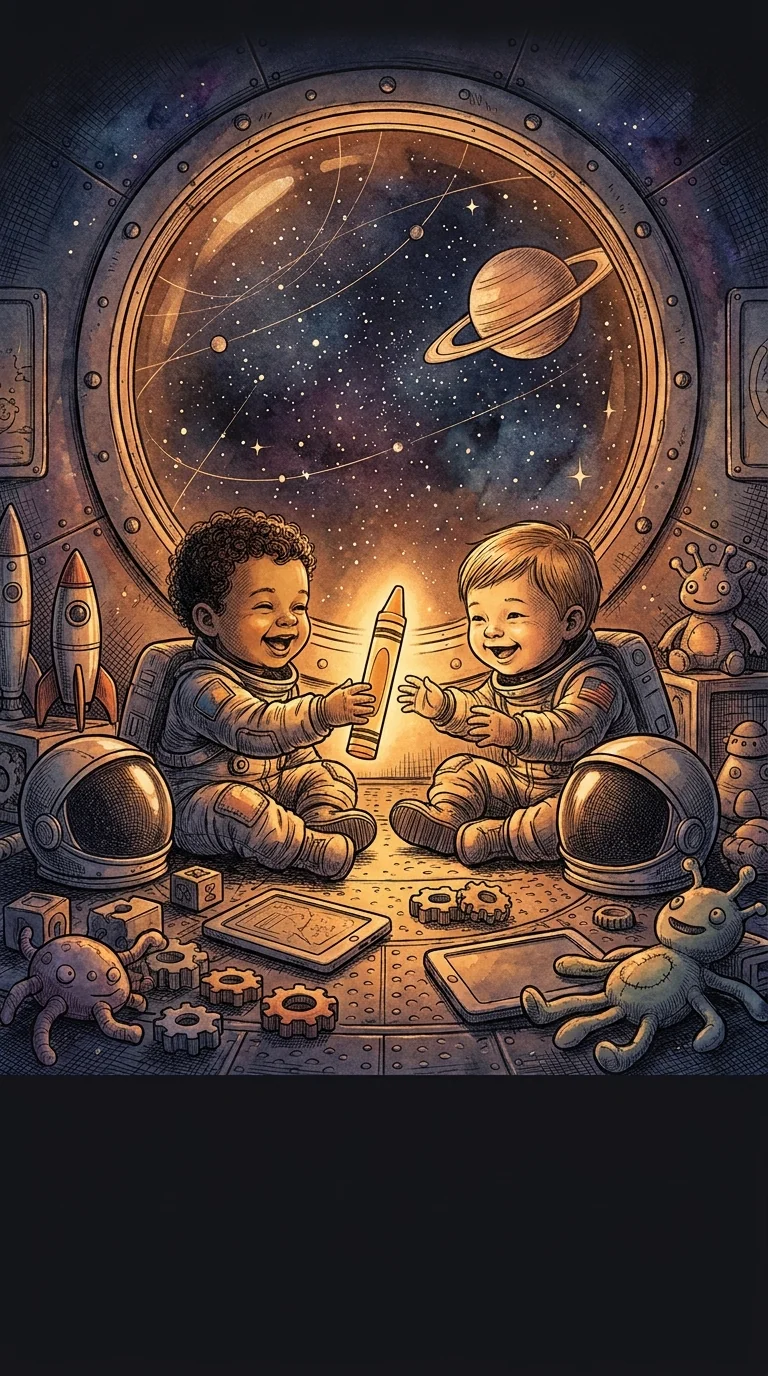
Put a two-year-old in a room with a kid who looks nothing like them and watch what happens. They don't build a border wall — they fight over the same crayon.

By age seven, those same kids can rank each other by skin color, accent, and neighborhood. Nobody's born knowing that hierarchy. Somebody built the curriculum.
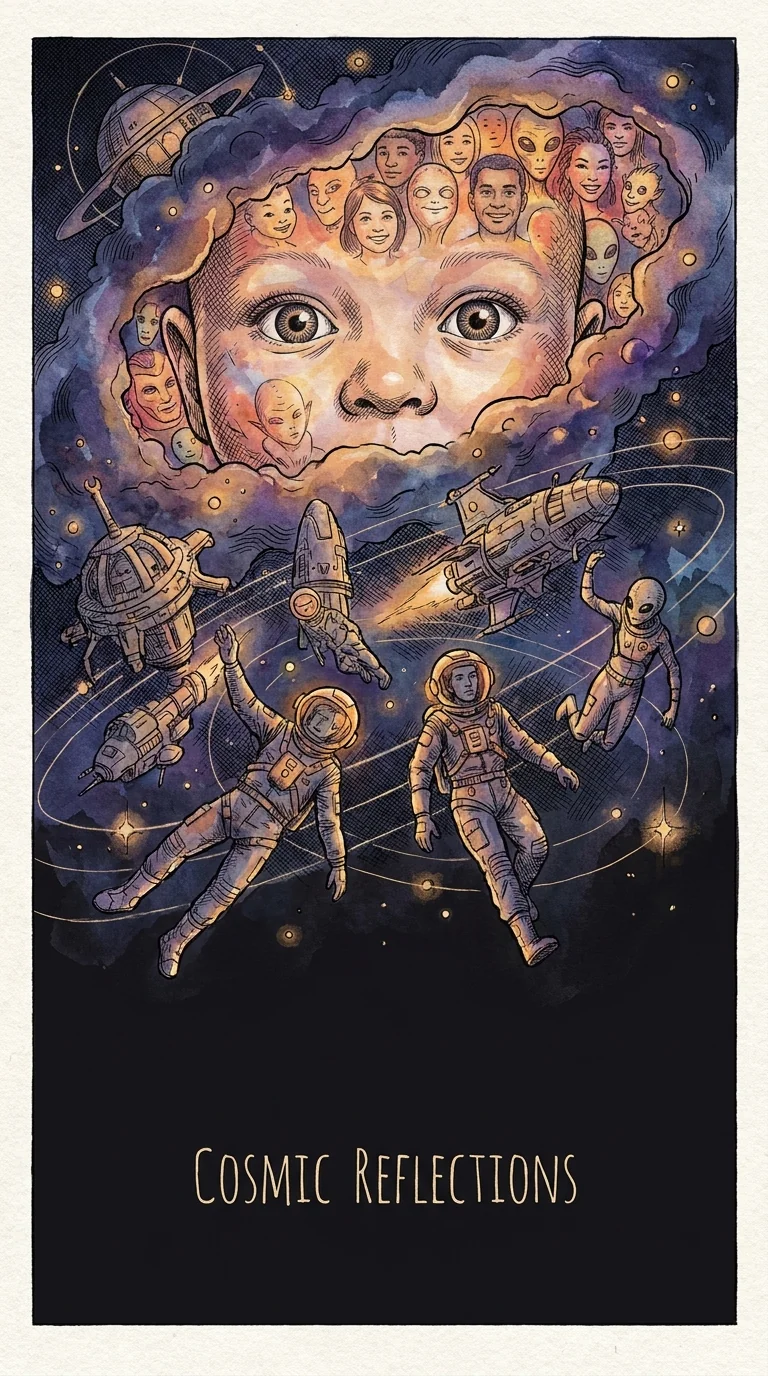
Infants are pattern-detection machines — they notice difference the way they notice a new sound or a weird hat. Noticing isn't prejudice. Attaching threat and rank to the pattern — that's the software somebody installs later.
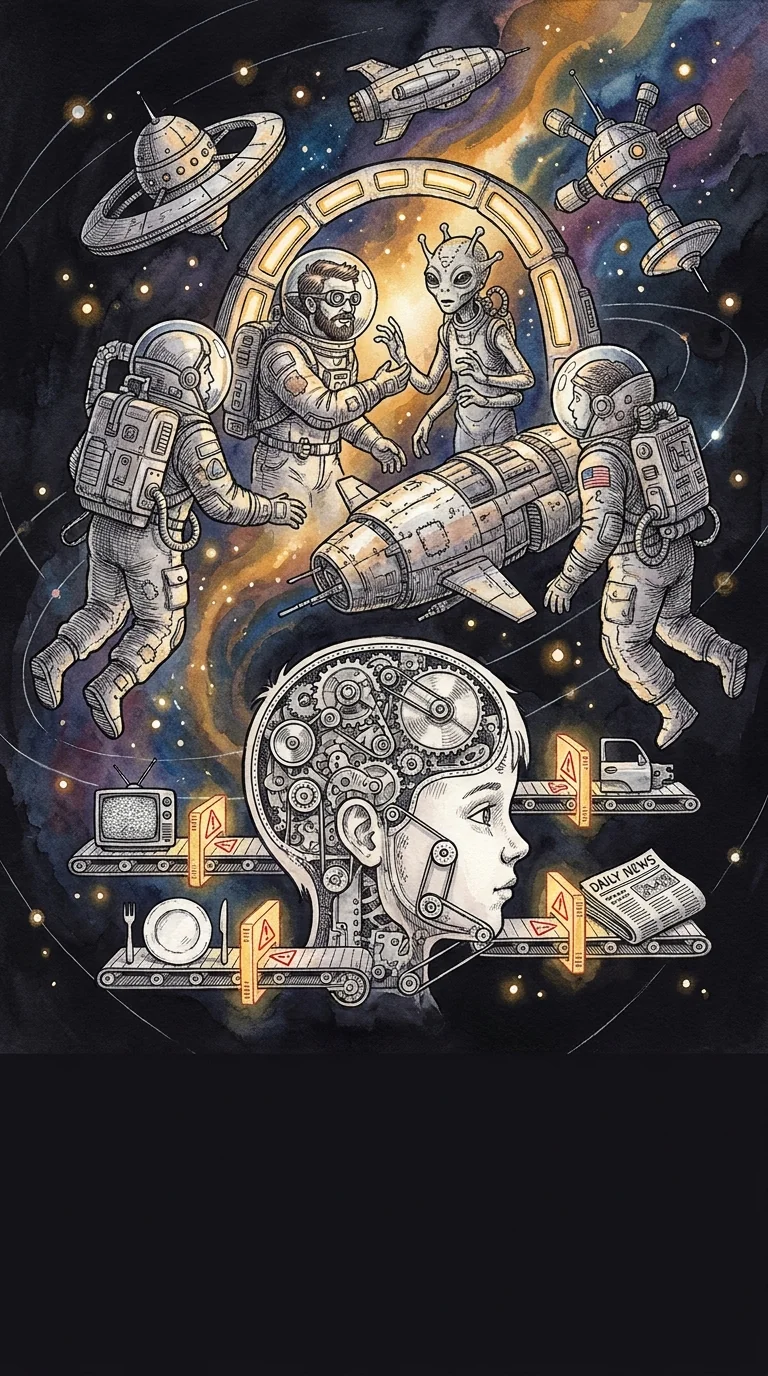
The installation is mundane. A joke at the dinner table. A locked car door. A cartoon villain who always has the same accent. Repetition does the welding — each small signal fuses "different" to "dangerous" until the kid stops questioning the connection.
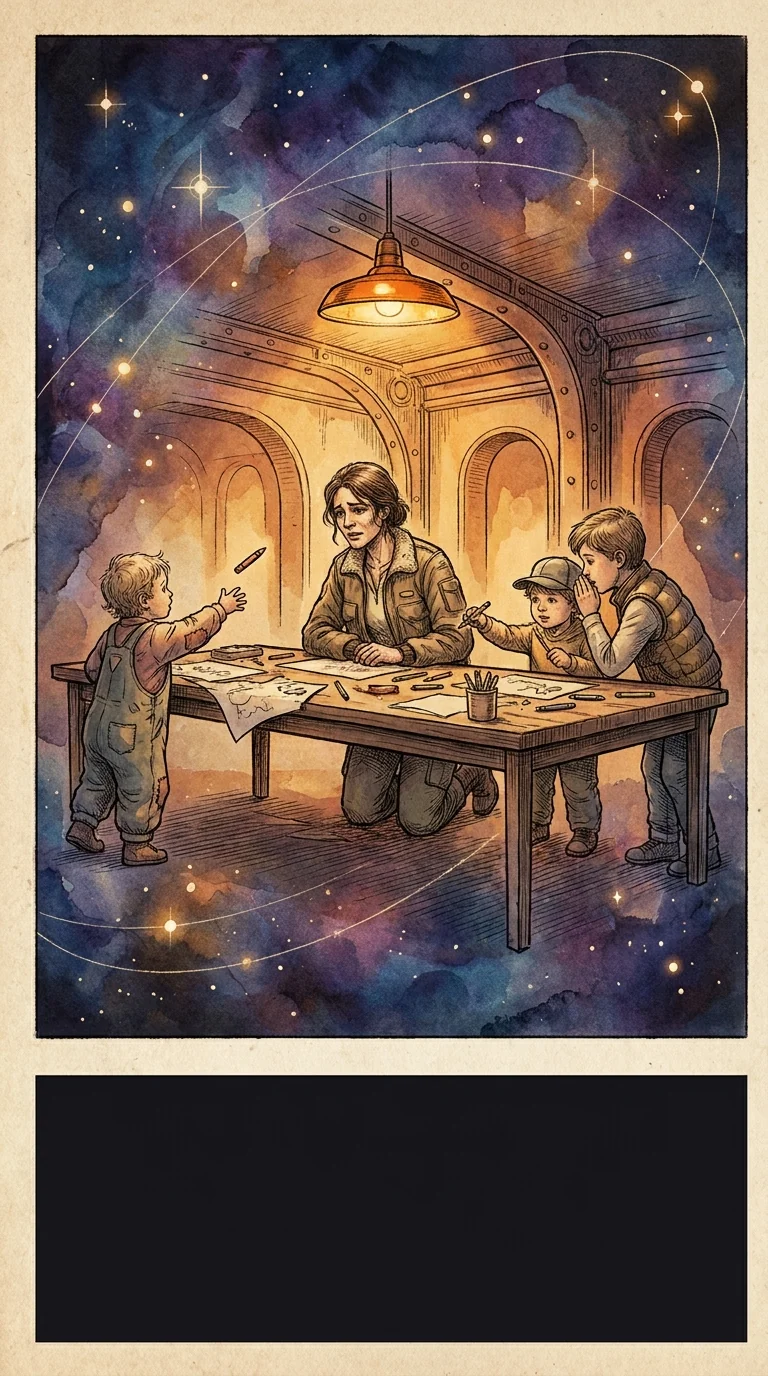
Maria volunteers at an after-school program. She watches a five-year-old hand a crayon to a new kid who speaks a different language — no hesitation, no category check. A week later, an older child tells the five-year-old those kids are "weird." The crayons stop crossing the table. Maria sees the exact moment the lesson lands.
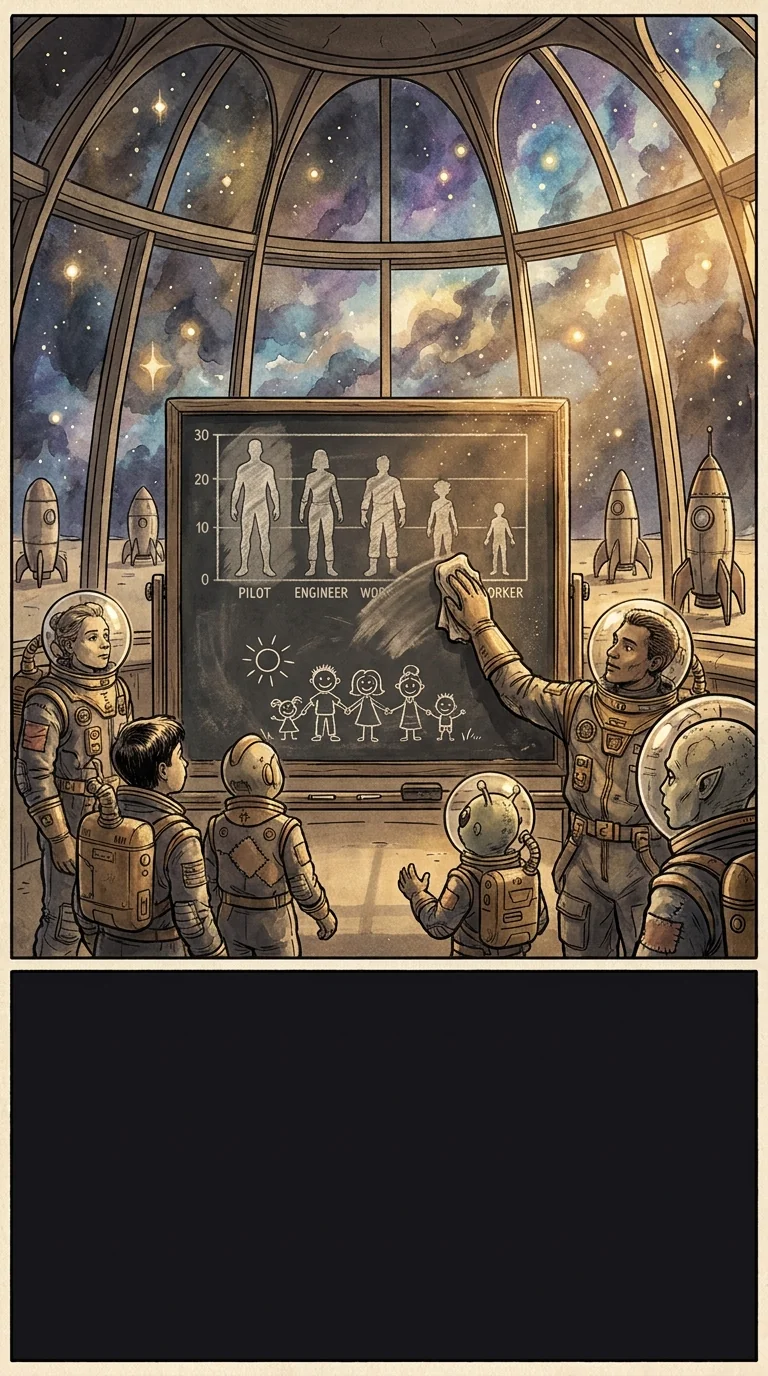
If prejudice is taught, it can be interrupted — but only if you can spot the lesson while it's still being delivered. In Part 2, you'll practice identifying those teaching moments and scripting a gentle counter-signal. See you there.
Part 2: Prejudice Is Taught, Not Born — Practice
+10 XP on completion

Kids arrive curious, not hateful — every bias they carry was handed to them by someone who got handed it first. So the question isn't whether prejudice can be interrupted. It's whether you'll do the interrupting.
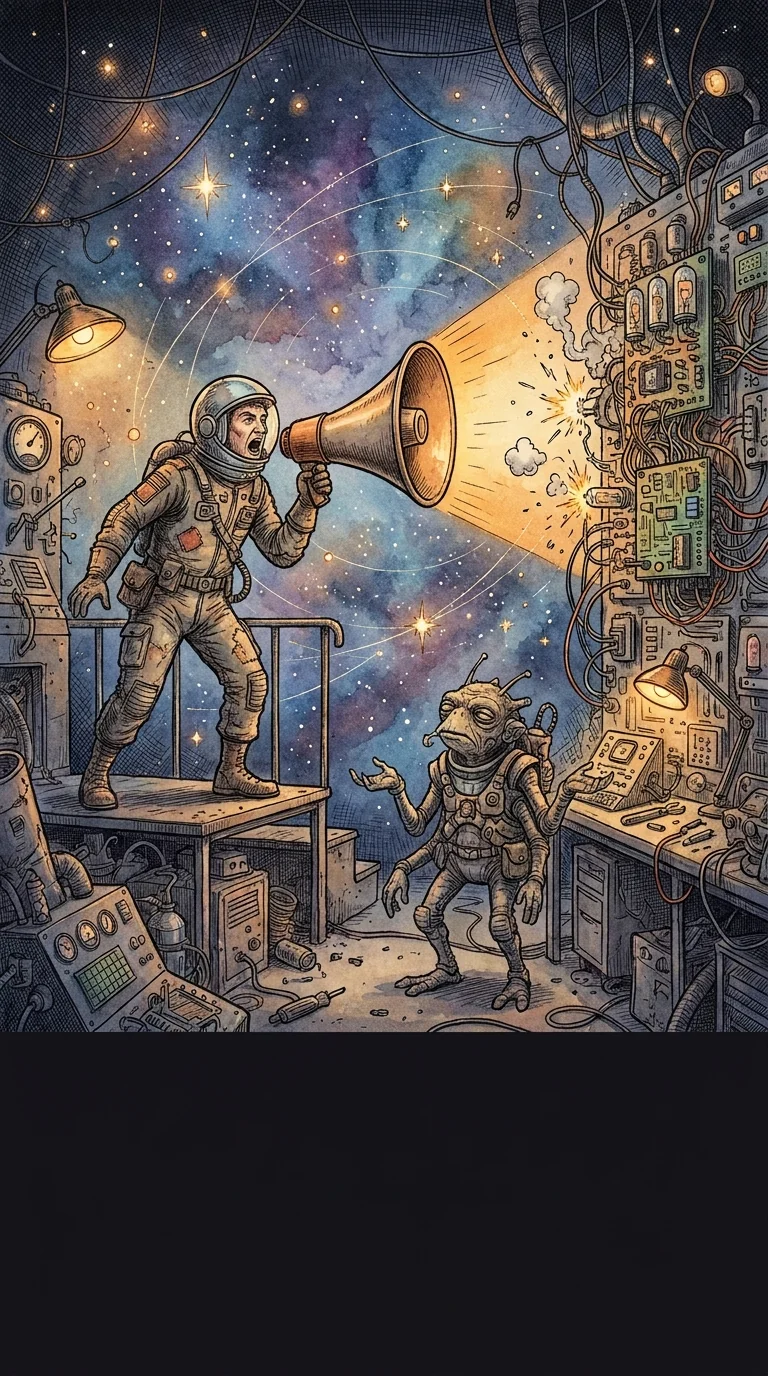
Most bias-correction tries to argue adults out of beliefs they didn't reason themselves into. That's like debugging software by yelling at the screen. The real leverage point is upstream — in the moments a kid first learns what a category means.
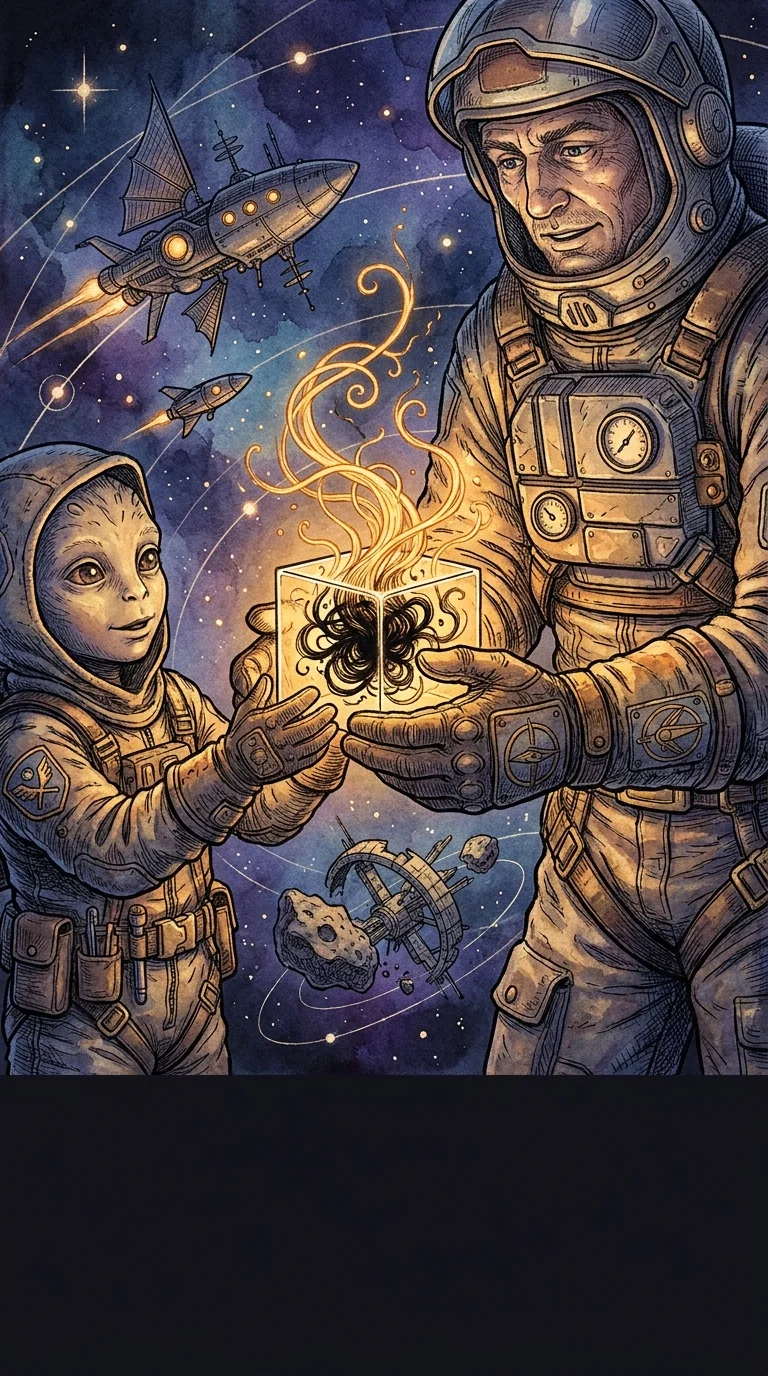
The technique is called The Curiosity Restore. Instead of correcting a biased statement after it lands, you redirect the moment back to the kid's original operating system: genuine questions. You replace the downloaded script with an open one.
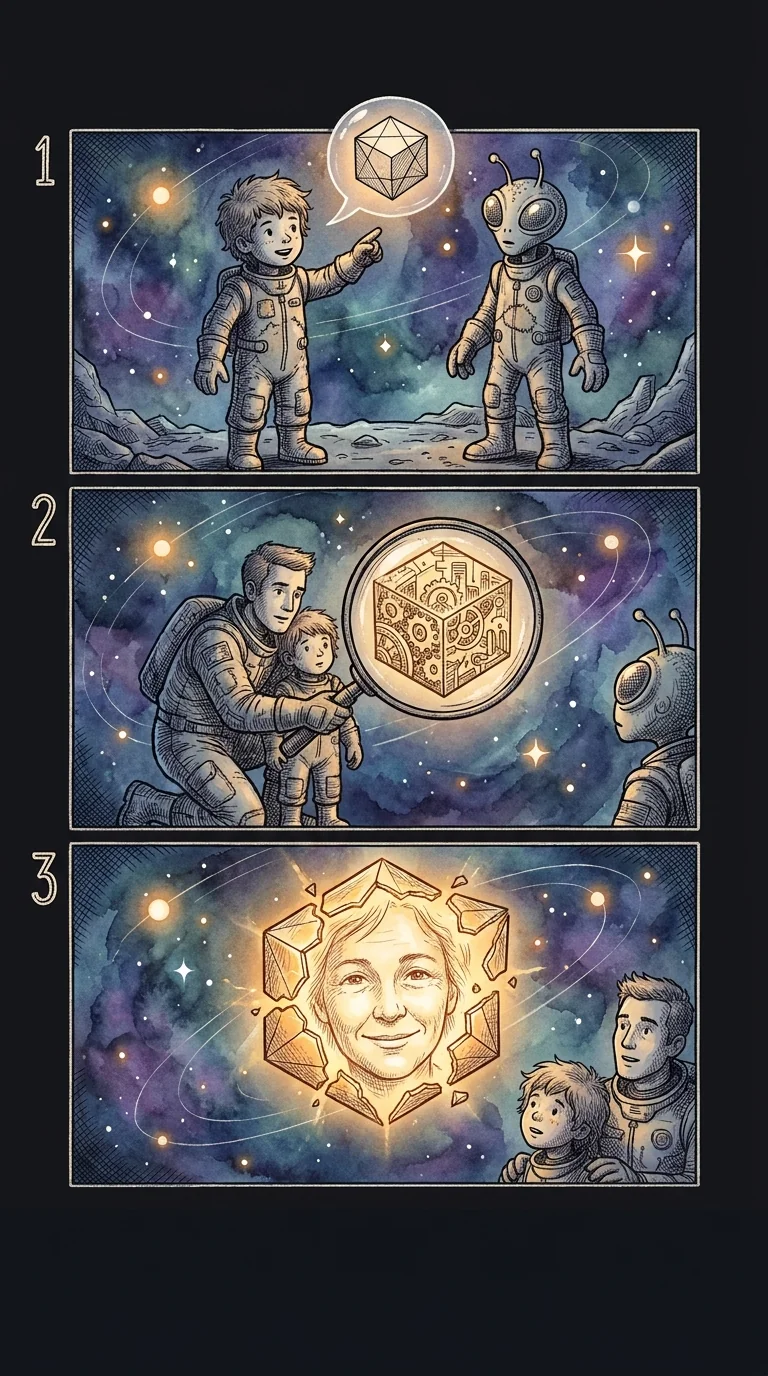
Three steps. First, notice the borrowed script — the categorical statement a kid repeats without understanding. Second, don't scold; ask a question that invites them to look closer. Third, supply a counter-story — a real person, a real name, a real detail that breaks the category open.
Maria's seven-year-old came home repeating something ugly he'd heard at school about a family in their neighborhood. She didn't lecture. She said, "What do you actually know about Amir?" Then she walked him next door, and they borrowed a cookbook together. The category didn't survive the encounter with a real person.
Every time you restore a child's curiosity — or your own — you're not just correcting one statement. You're keeping a door open that someone else tried to close. That matters more than you'll ever be able to measure.